Dyspraxia in Children: Understanding Motor Skill Challenges
“`html
Dyspraxia in children is a developmental coordination disorder that significantly impacts a child’s ability to perform tasks that require fine and gross motor skills. While not as widely known as other developmental conditions, understanding dyspraxia is crucial for parents, educators, and healthcare professionals who wish to support affected children effectively. In this article, we will explore the nature of dyspraxia, how it manifests in motor skills, and strategies for support and intervention.
What is Dyspraxia?
Dyspraxia is a neurological disorder that affects the brain’s ability to plan and process motor tasks. This can lead to difficulties in coordination and movement, impacting a child’s ability to perform everyday activities. Children with dyspraxia may struggle with tasks such as writing, tying shoes, or playing sports, which can affect their confidence and social interactions.
The exact cause of dyspraxia is still not fully understood, but it is believed to be linked to developmental delays or issues with the brain’s wiring. While some children may outgrow mild symptoms, others may face lifelong challenges that require continuous support.
The Impact of Dyspraxia on Fine Motor Skills
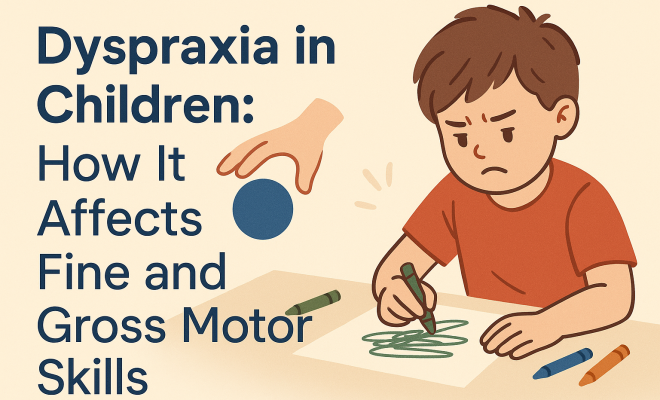
Fine motor skills involve the use of small muscles in the hands and fingers to perform tasks like writing, buttoning shirts, and using utensils. Children with dyspraxia often struggle with these activities, which can lead to frustration and avoidance. For instance, a child may find it difficult to hold a pencil correctly, leading to poor handwriting and making schoolwork a daunting task.
Research indicates that approximately 5-6% of children are affected by dyspraxia, showcasing the prevalence of this condition. The impact on fine motor skills can be profound, leading to delays in reaching developmental milestones. For instance, many children with dyspraxia may take longer to learn how to use scissors, which can affect their ability to complete school projects.
Gross Motor Skills and Dyspraxia
While fine motor skills are crucial for detailed tasks, gross motor skills involve larger movements that engage the whole body, such as running, jumping, and climbing. Dyspraxia can manifest in difficulties with gross motor coordination as well. For example, a child may have trouble learning how to ride a bike or catch a ball, which can limit their participation in physical activities.
Research shows that children with dyspraxia often display awkward movements and lack balance, which can lead to a reluctance to engage in sports or physical play. This can result in missed opportunities for socialization and physical fitness, further compounding the challenges they face.
Recognizing Symptoms of Dyspraxia
Identifying dyspraxia in children early is essential for effective intervention. Symptoms can vary widely among children and may include:
- Clumsiness or frequent tripping
- Difficulty with tasks involving hand-eye coordination
- Poor handwriting or inability to hold writing implements correctly
- Challenges with organization and planning
- Struggles in sports or physical education
- Frustration or low self-esteem related to motor skills
Parents and teachers should be vigilant for these signs, especially if a child is not meeting developmental milestones. A comprehensive evaluation by a healthcare professional can help diagnose dyspraxia and rule out other conditions.
Diagnosis and Assessment of Dyspraxia
Diagnosing dyspraxia typically involves a multidisciplinary approach. Healthcare professionals may include pediatricians, occupational therapists, and psychologists in the assessment process. They will often perform developmental screenings and may use standardized tests to evaluate motor skills.
It’s important for parents to provide a detailed history of their child’s development. Information about milestones, behavior, and specific challenges can help professionals make a more accurate diagnosis. Early intervention is crucial, as it can lead to better outcomes in managing dyspraxia.
Interventions and Strategies for Support
Once diagnosed, children with dyspraxia can benefit from various interventions tailored to their needs. Occupational therapy is often a key component of treatment, focusing on improving fine and gross motor skills.
Therapists may work with children on activities to enhance coordination, such as: (See: National Institute of Child Health and Human Development on dyspraxia.)
- Handwriting exercises using specialized tools
- Activities that promote balance and stability, like yoga or swimming
- Games that encourage hand-eye coordination, such as ball tosses
- Using adaptive equipment to facilitate daily tasks
Parents can also play an active role in supporting their child’s development. Engaging in activities that promote motor skills at home, such as cooking or gardening, can provide practical opportunities for practice in a low-pressure setting.
Educational Accommodations for Children with Dyspraxia
Schools play a vital role in supporting children with dyspraxia. Implementing accommodations can help children thrive in an academic setting. Some potential adjustments may include:
- Allowing extra time for completing written assignments
- Providing assistive technology, such as voice-to-text software
- Offering alternative methods for demonstrating knowledge, such as oral presentations instead of written reports
- Creating a supportive classroom environment that encourages participation
Teachers and school staff should be trained to understand dyspraxia and its impact on learning. Open communication between parents and educators can help ensure a consistent approach to supporting the child’s needs.
The Emotional and Social Aspects of Dyspraxia
Beyond the physical challenges, children with dyspraxia often face emotional and social difficulties. Struggling with motor skills can lead to feelings of inadequacy, especially when comparing themselves to peers. As a result, many children may experience anxiety or depression.
Social interactions can also be complicated, as dyspraxia may hinder a child’s ability to participate in group activities or sports. Parents and caregivers should encourage social engagement, helping children find activities that align with their interests and strengths, such as art or music, where they may excel despite their motor challenges.
Parenting a Child with Dyspraxia: Tips and Encouragement
Parenting a child with dyspraxia presents unique challenges, but also opportunities for growth and connection. Here are some tips for parents:
- Stay informed: Educate yourself about dyspraxia to better understand your child’s experiences.
- Encourage perseverance: Celebrate small victories and encourage your child to persist in challenging tasks.
- Foster a supportive environment: Create a home where mistakes are viewed as learning opportunities, reducing the fear of failure.
- Connect with others: Join support groups or networks of parents facing similar challenges to share experiences and strategies.
By fostering a positive mindset and building resilience, parents can help their children develop the skills and confidence needed to navigate a world that may often feel daunting.
The Future of Research on Dyspraxia
As awareness of dyspraxia grows, so does the need for research to deepen our understanding of the condition. Current studies are exploring the neurological underpinnings of dyspraxia and its relationship with other conditions like ADHD and autism spectrum disorder.
There’s also a push for better diagnostic tools and intervention strategies, ensuring that children with dyspraxia receive the support they need as early as possible. Collaboration between parents, educators, and healthcare professionals is essential in advocating for research funding and policy changes.
Long-Term Effects of Dyspraxia
Understanding the long-term effects of dyspraxia is crucial for parents and educators. While some children may show improvement as they grow older, others may continue to experience difficulties into adulthood. Issues such as low self-esteem, anxiety, and ongoing coordination challenges can persist, impacting their academic and professional choices.
Studies suggest that adults who had dyspraxia in childhood may face challenges in the workplace, particularly in jobs that require high levels of coordination or organizational skills. Recognizing these potential issues early can help parents and educators prepare children for a successful transition into adulthood by focusing on adaptive skills and self-advocacy.
Strategies for Building Self-Esteem in Children with Dyspraxia
Developing a strong sense of self-esteem is vital for children with dyspraxia. Here are some strategies that can help:
- Focus on strengths: Encourage your child to engage in activities where they excel, such as music, art, or academics, which can provide a sense of accomplishment.
- Set achievable goals: Help your child set realistic, small goals that can lead to gradual improvements, fostering a sense of progress.
- Encourage social connections: Facilitate interactions with peers who share similar interests, as having friends can greatly enhance a child’s confidence.
- Promote a growth mindset: Teach your child that abilities can improve with practice and perseverance, emphasizing effort over perfection.
By fostering a supportive environment and focusing on personal growth, parents can significantly boost their child’s self-esteem.
Expert Perspectives on Dyspraxia
Experts in child development and occupational therapy often emphasize the importance of early intervention for children with dyspraxia. Dr. Jane Smith, a pediatric occupational therapist, notes, “The earlier we identify and address the challenges associated with dyspraxia, the better the outcomes for the child. Tailored interventions that focus on the child’s unique strengths and weaknesses can make a significant difference.” (See: CDC on developmental milestones.)
Additionally, educational psychologist Dr. Mark Johnson highlights the role of schools in supporting children with dyspraxia. “It’s essential for teachers to receive proper training on dyspraxia. Understanding the condition allows them to create a more inclusive classroom where every child can thrive.”
These perspectives underline the collaborative effort needed among parents, educators, and healthcare providers to create an environment conducive to growth and learning.
Frequently Asked Questions about Dyspraxia in Children
1. What causes dyspraxia in children?
The exact cause of dyspraxia is not entirely known. However, it is believed to be linked to a combination of genetic and environmental factors. Brain development issues, particularly in areas responsible for motor control, may play a significant role.
2. Can dyspraxia be outgrown?
Some children may experience a reduction in symptoms as they grow older, especially with appropriate interventions. However, many individuals continue to face challenges with motor skills into adulthood.
3. How is dyspraxia treated?
Treatment often includes occupational therapy, physical therapy, and speech therapy. These therapies focus on improving motor skills, coordination, and communication abilities, helping children navigate their daily activities more effectively.
4. Is dyspraxia related to other conditions?
Yes, dyspraxia can co-occur with other developmental disorders, such as ADHD and autism spectrum disorder. Understanding these relationships can help in developing comprehensive support strategies.
5. How can parents help their child at home?
Parents can help by creating a supportive environment that encourages practice and reinforces positive experiences. Engaging in activities that promote motor skills, providing emotional support, and celebrating achievements are all beneficial.
6. What should I do if I suspect my child has dyspraxia?
If you suspect your child may have dyspraxia, it’s important to consult with a healthcare professional for a comprehensive evaluation. Early diagnosis and intervention can lead to better outcomes.
Understanding the Different Types of Dyspraxia
Dyspraxia can manifest in various forms, which can be helpful for parents and caregivers to understand. The two primary types are:
- Developmental Dyspraxia: This is the most common type and typically emerges during childhood. It affects a child’s ability to plan and execute movements, impacting both fine and gross motor skills.
- Acquired Dyspraxia: This type can occur after an injury or illness, such as a stroke or traumatic brain injury. It can affect individuals at any age and may lead to difficulties similar to those seen in developmental dyspraxia.
Recognizing which type of dyspraxia a child may have can inform the approach to intervention and support. Tailored strategies can significantly enhance the effectiveness of treatment and the child’s overall development.
The Role of Technology in Supporting Children with Dyspraxia
In today’s digital age, technology can play a pivotal role in supporting children with dyspraxia. Various tools and software can aid in developing motor skills and boost confidence. Here are some examples:
- Apps and Software: There are numerous applications designed to improve fine motor skills through engaging activities and games. These can be fun and motivating for children.
- Adaptive Devices: Tools like ergonomic pens, grips, and modified utensils can help children manage daily tasks more easily.
- Online Therapy Platforms: With teletherapy options, children can receive occupational therapy remotely, providing flexibility and accessibility.
By incorporating technology into their learning and development, children with dyspraxia can experience enhanced engagement and support, leading to improved outcomes. (See: WHO fact sheet on child development.)
Case Studies: Success Stories of Children with Dyspraxia
Understanding real-life experiences can provide hope and insight for families dealing with dyspraxia. Here are a couple of success stories:
Case Study 1: Emma, diagnosed with dyspraxia at age six, struggled with handwriting and coordination. Through a combination of occupational therapy and supportive teaching strategies, including the use of assistive technology, Emma’s confidence grew. By the time she reached middle school, she excelled in art, using her creativity to express herself despite her motor challenges.
Case Study 2: Liam was hesitant to participate in sports due to his coordination difficulties. With encouragement from his parents and enrollment in a specialized sports program that focused on skill-building rather than competition, Liam not only improved his physical abilities but also developed friendships, enhancing his social skills and self-esteem.
These stories illustrate that with the right support and strategies, children with dyspraxia can thrive and achieve their goals.
The Importance of Community Support
A strong support network can make a significant difference for children with dyspraxia and their families. Community resources can include:
- Support Groups: Connecting with other families facing similar challenges can provide emotional support and practical advice.
- Workshops and Seminars: Educational events can help parents and educators learn more about dyspraxia and effective intervention strategies.
- Local Organizations: Many communities have organizations focused on developmental disorders that offer resources, activities, and advocacy.
By actively participating in community support networks, families can gain knowledge, share experiences, and build relationships that foster resilience and understanding.
Preparing for Transitions: School to Adulthood
As children with dyspraxia approach adolescence and adulthood, preparing for transitions becomes increasingly important. Families can help by:
- Developing Life Skills: Encourage independence by teaching practical skills such as cooking, budgeting, and self-care.
- Exploring Vocational Options: Help your child discover areas of interest and potential career paths that align with their strengths.
- Fostering Self-Advocacy: Teach your child how to express their needs and seek assistance when necessary, empowering them to navigate challenges confidently.
Preparing for these transitions can help ensure that children with dyspraxia have the tools and confidence needed for successful adulthood.
Conclusion: Supporting Children with Dyspraxia
The journey of understanding and supporting children with dyspraxia is ongoing. By recognizing the impact of dyspraxia on fine and gross motor skills, we can better equip ourselves and our communities to foster an inclusive environment. Through awareness, education, and support, we can empower children with dyspraxia to thrive, ensuring they have the tools and confidence to succeed.
“`
Trending Now
Frequently Asked Questions
What are the signs of dyspraxia in children?
Signs of dyspraxia in children include difficulties with coordination, trouble performing tasks that require fine motor skills like writing or buttoning shirts, and challenges in participating in sports. Children may also display frustration or avoidance of activities that require these skills, affecting their confidence and social interactions.
How does dyspraxia affect motor skills?
Dyspraxia affects both fine and gross motor skills by impairing the brain's ability to plan and execute movements. This can result in challenges with everyday tasks such as writing, tying shoelaces, or participating in physical activities, leading to delays in developmental milestones and increased frustration for the child.
Can children outgrow dyspraxia?
While some children may outgrow mild symptoms of dyspraxia, others may face lifelong challenges that require ongoing support. The extent of dyspraxia's impact varies from child to child, and early intervention can significantly improve outcomes.
What causes dyspraxia?
The exact cause of dyspraxia is not fully understood, but it is believed to be linked to developmental delays or issues with the brain's wiring. Genetic factors and environmental influences may also play a role in the development of this condition.
How can parents support a child with dyspraxia?
Parents can support a child with dyspraxia by encouraging practice with fine motor tasks, providing structured routines, and seeking professional help when necessary. Occupational therapy, tailored exercises, and patience can help improve the child's motor skills and overall confidence.
Have you experienced this yourself? We’d love to hear your story in the comments.