
2026 Milky Way Photography Contest: Breathtaking Cosmic Art
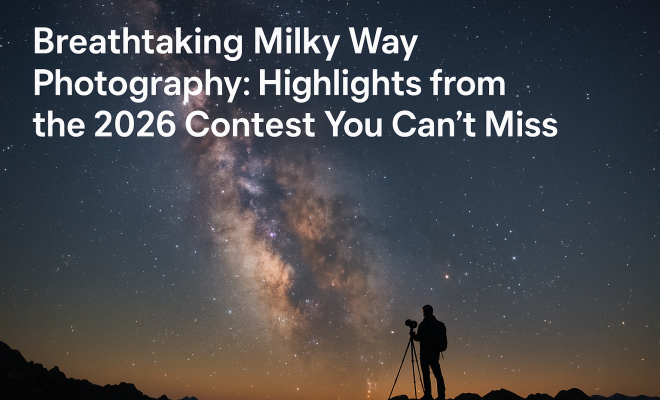
“`html
Astrophotography has taken the world by storm, captivating audiences with its ability to turn vast, abstract concepts into visually stunning images that resonate on an emotional level. The 2026 Milky Way Photographer of the Year contest showcased such breathtaking views of our galaxy, featuring standout entries like Geminid Symphony and Galactic Gandalf. These titles not only add a layer of intrigue but also reflect the creativity and artistry of photographers who seek to capture the ethereal beauty of our home galaxy.
1. The Allure of Milky Way Photography
Milky Way photography has become a genre that transcends technical skill; it embodies a passion for exploration and discovery. With advancements in camera technology, both amateur and professional photographers are now able to capture the night sky in exquisite detail. The Milky Way serves as a backdrop for cosmic wonders, making it a popular subject for those wishing to share their experiences of the universe.
What makes this genre so compelling? For one, the images evoke a sense of wonder and curiosity about our place in the cosmos. As these photographers frame the stars and nebulae, they invite viewers to join them on a journey through space and time, sparking interest in astronomy while also showcasing artistic flair.
2. Understanding the Contest: A Showcase of Talent
The Milky Way Photographer of the Year contest is more than just a competition; it’s a celebration of creativity and technical expertise. Each year, photographers worldwide submit their best work, and the results are nothing short of extraordinary. The contest aims to highlight the beauty of the Milky Way while encouraging more people to engage with the night sky.
In 2026, the contest attracted an impressive array of submissions, each photograph telling its own unique story about the cosmos. From vibrant star trails to serene landscapes featuring the galaxy, the entries capture a broad spectrum of perspectives and styles. The competition also draws attention to the importance of conservation and protecting dark skies, reminding us that these breathtaking views are not just for photographers but for everyone.
3. Star-Studded Entries: Geminid Symphony
One of the standout entries in the 2026 contest was titled Geminid Symphony, and it left viewers in awe. This photograph captures the annual Geminid meteor shower, known for its dazzling display of shooting stars that peak in December. The image beautifully intertwines the flowing motion of meteors with a stunning view of the Milky Way, creating a symphonic effect that resonates with the viewer.
The technique used to capture this moment often involves long exposure times and careful planning to ensure that the meteors are visible against the backdrop of the stars. The resulting image not only showcases the beauty of the event but also pays homage to the intricate dance of celestial bodies, reminding us of the harmony that exists in the universe.
4. Galactic Gandalf: A Cosmic Guardian
Another remarkable entry is Galactic Gandalf, which evokes a sense of wonder and imagination. Named after the iconic character from J.R.R. Tolkien’s works, this photograph suggests that the Milky Way is a guardian of sorts, overseeing the cosmic landscape. The image portrays a sweeping view of the galaxy, with its spiraling arms illuminated against the dark expanse of space.
This entry exemplifies how Milky Way photography can merge art with storytelling. Just as Gandalf serves as a protector and guide in the realm of Middle-earth, the Milky Way can be viewed as a beacon of hope and inspiration. The photographer’s vision encourages viewers to imagine the stories written in the stars, making the experience of astronomy feel accessible and relatable.
5. Impact of Social Media on Astrophotography
The rise of social media has transformed the landscape of astrophotography, providing a platform for photographers to share their work with a global audience. Stunning images from the Milky Way Photographer of the Year contest often go viral, attracting thousands of likes and shares. This widespread visibility allows photographers to inspire others while fostering a greater appreciation for the night sky. (See: Astrophotography overview on Wikipedia.)
Moreover, social media encourages a community of enthusiasts who exchange tips, techniques, and advice. Platforms like Instagram and Twitter have become hubs for sharing breathtaking Milky Way photography, making it easier for novices to learn from seasoned professionals. The emotional resonance of these images can spark interest in astronomy and encourage more people to venture outside and experience the night sky for themselves.
6. The Science Behind the Art
While impressive artistic skills are crucial in Milky Way photography, understanding the science behind it is equally important. Photographers must have a grasp of astrophysics, optics, and even geography to capture the best shots. The positioning of the Milky Way varies depending on the time of year and location, making planning essential for a successful shoot.
For instance, the core of the Milky Way is most visible during summer months in the Northern Hemisphere. Photographers often scout locations with minimal light pollution to ensure that the stars stand out in their images. The use of specialized equipment—like wide-angle lenses and sturdy tripods—enhances the quality of the photographs, showcasing celestial phenomena with stunning clarity.
7. Emotional Connections Through Cosmic Imagery
Photographs of the Milky Way often evoke profound emotional responses from viewers, connecting them to something greater than themselves. This emotional resonance is one of the reasons these images can go viral. They remind us of the beauty and mystery of the universe, creating a sense of belonging and connection to the cosmos.
For many, staring up at the night sky ignites feelings of nostalgia, wonder, and curiosity. Astrophotographers leverage these emotions by creating images that are both beautiful and thought-provoking. Each shot captures a fleeting moment, inviting us to reflect on our existence and place in the grand scheme of the universe.
8. Future Trends in Astrophotography
As technology continues to evolve, the future of Milky Way photography looks promising. Innovations in camera technology, such as improved sensor capabilities and software enhancements, will make it easier for photographers to capture stunning images of the night sky. Furthermore, the rise of computational photography is changing the game, allowing for the blending of multiple exposures to create a single breathtaking image.
Additionally, as more people become aware of the importance of preserving dark skies, there is a growing movement towards responsible astrophotography. This trend emphasizes the need to minimize light pollution, ensuring that future generations can enjoy the same stunning views of the Milky Way that we do today. The future of this genre is not just about capturing beauty; it’s about advocating for the protection of our night skies.
9. Why You Should Try Milky Way Photography
There’s never been a better time to try your hand at Milky Way photography. With the accessibility of high-quality cameras and smartphones, along with abundant online resources, anyone can start capturing their own night sky images. The sense of accomplishment that comes from successfully photographing the Milky Way is incredibly rewarding.
Furthermore, engaging in this hobby invites you to explore the great outdoors, offering a welcome escape from daily routines. Whether you plan a trip to a dark sky park or even just venture into your backyard, you’ll develop a deeper appreciation for the wonders above. Plus, you might find that sharing your own stunning images adds to the joy of the experience, connecting you with a community of fellow astronomy enthusiasts.
10. Essential Gear for Milky Way Photography
To capture those mesmerizing Milky Way shots, having the right gear can make all the difference. While you don’t need the most expensive equipment to start, certain essentials will significantly enhance your photography experience. (See: NASA's Hubble Space Telescope science.)
- Camera: A DSLR or mirrorless camera with manual settings is ideal. Look for models with good low-light performance to capture the stars effectively.
- Lens: A wide-angle lens (16mm to 24mm) with a large aperture (f/2.8 or lower) will allow more light to hit the sensor, capturing the Milky Way’s details.
- Tripod: A sturdy tripod is essential for long exposures. Stability is key to avoiding blurriness in your images.
- Remote Shutter Release: This tool helps minimize camera shake, especially during long exposures. You can also use the timer function on your camera if you don’t have a remote.
- Headlamp: A red-filtered headlamp is beneficial for preserving your night vision while setting up your gear and composing your shots.
Though this gear can enhance your photography, remember that creativity and practice play a crucial role in producing stunning images. Start with what you have, and gradually invest in high-quality equipment as your skills progress.
11. Tips for Capturing the Milky Way
Once you’re equipped with the necessary gear, consider these tips to elevate your Milky Way photography:
- Choose the Right Time and Place: The best time for Milky Way photography is during the new moon phase when the sky is darkest. Research locations with minimal light pollution using apps or websites like Light Pollution Map or Dark Sky Finder.
- Plan Your Composition: Before heading out, think about your composition. Incorporate interesting foreground elements like trees, mountains, or buildings to add depth to your image.
- Utilize the 500 Rule: To avoid star trails in your shots, use the 500 Rule: divide 500 by the focal length of your lens (in mm). This will give you the maximum exposure time in seconds before stars begin to blur.
- Experiment with Settings: Start with a wide aperture (f/2.8), high ISO (1600-6400), and a shutter speed based on the 500 Rule. Don’t be afraid to adjust settings to find what works best for your specific conditions.
- Post-Processing: Use software like Adobe Lightroom or Photoshop to enhance your images. Adjustments to contrast, brightness, and noise reduction can significantly improve your final product.
12. Famous Milky Way Photography Locations
If you’re looking for the best spots to shoot the Milky Way, several locations are renowned for their stunning views and clear skies. Here are a few of the most popular locations:
- Joshua Tree National Park, California: Known for its unique Joshua Trees and vast desert landscapes, this park offers incredible opportunities to capture the Milky Way against a striking backdrop.
- Big Bend National Park, Texas: With some of the darkest skies in the continental United States, Big Bend is a paradise for astrophotographers.
- Lake Tekapo, New Zealand: This area is part of a UNESCO Dark Sky Reserve and offers breathtaking views of the Milky Way over the stunning turquoise waters of Lake Tekapo.
- Banff National Park, Canada: The combination of rugged mountains and clear skies makes Banff a prime location for capturing the galaxy.
13. Frequently Asked Questions about Milky Way Photography
What is the best time of year to photograph the Milky Way?
The Milky Way is typically best seen during the summer months in the Northern Hemisphere, from late April to late September. However, the core of the Milky Way is most visible during the months of June through August. Related reading: concerns about space projects.
Can I photograph the Milky Way with a smartphone?
Yes! Many smartphones come equipped with night mode functions that allow you to capture decent shots of the Milky Way. However, using a DSLR or mirrorless camera will provide superior quality and detail.
Do I need to travel far to find dark skies?
Not necessarily. While heading to remote locations helps, you might find dark skies just outside your city or town. Use apps to find less light-polluted areas nearby for optimal shooting conditions.
How do I avoid light pollution when shooting?
Research local light pollution levels using online maps and apps. Aim for locations away from city lights, and plan your shoots during new moon phases for the darkest skies.
Is post-processing necessary in astrophotography?
While it’s possible to capture stunning Milky Way images straight from the camera, post-processing can help enhance colors, reduce noise, and improve the overall quality of your images.
14. Innovative Techniques in Milky Way Photography
As photographers continue to push the boundaries of creativity, they are experimenting with innovative techniques in Milky Way photography. One such technique is stacking, where multiple images taken at the same settings are combined in post-processing to reduce noise and improve clarity. This process can significantly enhance the details seen in the stars and the Milky Way’s core. (See: Scientific articles on astrophotography.)
Another method gaining popularity is timelapse photography, capturing the movement of the stars across the sky over several hours. By combining these images into a video, photographers create mesmerizing sequences that reveal the dynamic nature of the cosmos.
Additionally, blending night photography with light painting introduces a new artistic flair. Photographers use flashlights or other light sources to illuminate foreground elements, resulting in dramatic contrasts against the starry background. This technique can create captivating storytelling images that draw the viewer deeper into the scene.
15. Personal Stories from Milky Way Photographers
Many photographers have unique stories about their journeys in capturing the Milky Way. For example, one photographer shared how finding a remote location in the Mojave Desert led to a transformative experience. After spending hours waiting for the ideal moment, the sight of the Milky Way stretching across the sky filled them with a deep sense of tranquility and connection to nature.
Another photographer talked about a trip to Iceland, where stark landscapes provided a dramatic canvas for their night sky shots. The combination of the Milky Way and the Northern Lights left them in awe, inspiring a series of works that received international recognition. These experiences illustrate how Milky Way photography can transcend mere image-making, becoming deeply personal and enriching for those who engage in it.
16. Joining the Milky Way Photography Community
If you’re inspired by the beauty of Milky Way photography, consider connecting with like-minded individuals. Online communities and local clubs can provide invaluable resources, from sharing tips to organizing night sky outings. Platforms like Facebook, Reddit, and specialized photography forums are great places to start.
Participating in workshops can also be beneficial. Many professional photographers offer workshops that cover everything from gear selection to post-processing techniques. These events not only provide hands-on experience but also foster friendships among fellow enthusiasts who share a passion for the cosmos.
17. Conclusion: Join the Milky Way Photography Movement
Milky Way photography is more than just capturing beautiful images; it’s about connecting with the universe and inspiring others to appreciate its wonders. Whether you’re a seasoned photographer or someone just starting out, stepping into this world can be a life-changing experience. So grab your camera, head out into the night, and start creating your own cosmic masterpieces.
“`
Trending Now
- our breakdown of unlocking student potential: how scaffolding in competency-based education transforms learning
- our breakdown of 7 proven scaffolding techniques for advanced placement classes that boost student success
- the complete explanation
- Unlocking the Power of Pragmatics in…
Frequently Asked Questions
What is Milky Way photography?
Milky Way photography is a genre of astrophotography that focuses on capturing the beauty of our galaxy. It combines technical skill with artistic expression, allowing photographers to showcase stunning images of stars, nebulae, and cosmic phenomena. This genre has gained popularity due to advancements in camera technology, enabling both amateurs and professionals to create breathtaking night sky images.
What is the Milky Way Photographer of the Year contest?
The Milky Way Photographer of the Year contest is an annual competition that celebrates the creativity and technical prowess of astrophotographers worldwide. Participants submit their best images of the Milky Way, and the contest aims to highlight the galaxy's beauty while inspiring public interest in astronomy and the night sky.
What types of images are featured in the Milky Way photography contest?
The Milky Way photography contest features a diverse range of images, including vibrant star trails, serene landscapes, and captivating scenes that showcase the galaxy's ethereal beauty. Each photograph tells a unique story about the cosmos, reflecting the creativity and artistic vision of the photographers.
How has technology impacted Milky Way photography?
Advancements in camera technology have significantly impacted Milky Way photography, allowing both amateur and professional photographers to capture the night sky in exquisite detail. Improved sensors and lenses enable clearer images with better low-light performance, making it easier to explore and document the wonders of the cosmos.
Why is Milky Way photography popular?
Milky Way photography is popular because it evokes a sense of wonder and curiosity about our place in the universe. The stunning visuals invite viewers on a journey through space and time, sparking interest in astronomy while also showcasing the artistic flair of photographers who capture these breathtaking celestial scenes.
Agree or disagree? Drop a comment and tell us what you think.




