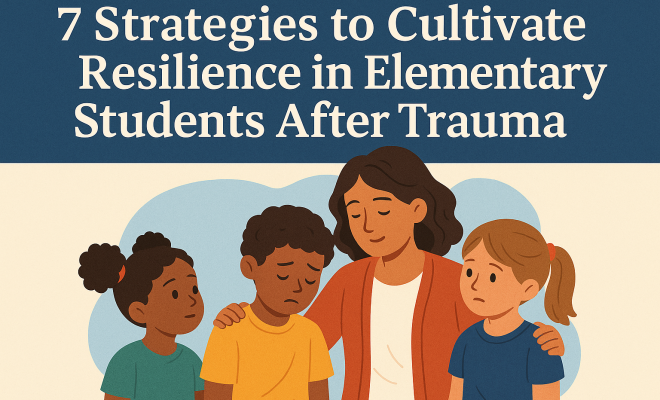
Build Resilience: 7 Strategies for Elementary Students After Trauma
“`html
Trauma can leave lasting effects on children, particularly those in elementary school. The emotional and psychological scars from adverse experiences can impact their ability to learn, socialize, and thrive. However, nurturing resilience in elementary students is not only possible, but it’s imperative for their overall development. In this article, we’ll explore effective strategies for building resilience in these young learners, taking into account various aspects of trauma and recovery.
Understanding Trauma in Childhood
Trauma in children can arise from various sources: from witnessing violence, experiencing abuse, or enduring significant familial changes such as divorce or loss. According to the National Child Traumatic Stress Network, over 60% of children experience at least one traumatic event by age 16. It’s alarming to consider that these experiences can lead to long-term psychological issues such as PTSD, anxiety, and depression if not addressed early on.
Elementary students may not have the emotional vocabulary to express what they’re going through. They often display behaviors rather than articulate feelings, which can complicate their interactions with peers and educators. This is why understanding trauma and its impacts is the first step in cultivating resilience. A supportive environment, tailored approaches, and a focus on emotional intelligence are essential for recovery.
The Importance of Resilience
Resilience is the ability to recover quickly from difficulties; it’s a form of emotional strength and adaptability. For elementary students, resilience can translate into improved academic performance, better relationships, and higher self-esteem. Studies have shown that resilient children are more likely to engage positively with their peers, cope effectively with challenges, and seek help when needed.
One of the most significant benefits of fostering resilience in elementary students is that it equips them with the tools needed to face future adversities. When children learn to navigate their feelings and develop coping strategies, they are more likely to view challenges as opportunities rather than insurmountable obstacles.
Key Strategies for Building Resilience
1. **Create Safe Spaces**: Establishing a safe environment is crucial for any child recovering from trauma. This means both physical safety and emotional security. Classrooms should be designed to be welcoming and supportive, allowing students to express their feelings without fear of judgment. Regular classroom routines can also provide structure and predictability, which are essential for children with trauma backgrounds.
2. **Encourage Emotional Expression**: Teach children how to identify and express their emotions. Incorporate activities such as journaling, art projects, or guided discussions that allow students to share their feelings. When students understand that expressing emotions is a normal part of life, they are better equipped to deal with their feelings constructively.
3. **Build Strong Relationships**: Positive relationships with peers and adults can serve as a buffer against trauma. Encourage collaboration and teamwork in the classroom, fostering a sense of community. Teachers and staff should be trained to recognize signs of distress and be attuned to the needs of students who may be struggling emotionally.
4. **Teach Coping Skills**: Resilience doesn’t develop in a vacuum; children need to learn how to cope with stress and adversity. Introduce techniques such as deep breathing, mindfulness, and problem-solving skills. Role-playing can also be an effective way to practice these skills in a safe and structured environment.
5. **Set Realistic Goals**: Help students set achievable goals, both academically and personally. This can range from improving a grade in a class to making a new friend. Celebrating small victories is crucial, as it boosts confidence and encourages a growth mindset.
6. **Promote a Growth Mindset**: Encourage children to view failures as opportunities for growth. Teach them that struggle is a natural part of learning and that persistence is key. When students understand that effort and resilience can lead to improvement, they are more likely to embrace challenges rather than shy away from them.
7. **Involve Families**: Engaging families in the resilience-building process can enhance its effectiveness. Provide resources for parents to learn about trauma and how it impacts children. Workshops and informational sessions can help parents understand their roles in fostering resilience at home. When teachers and families work together, they can create a consistent support system for the child. (See: CDC on child abuse and neglect.)
The Role of Educators
Teachers are on the front lines when it comes to identifying and supporting students who have experienced trauma. It’s vital for educators to receive training on trauma-informed practices. Understanding the signs of trauma can help teachers respond appropriately and sensitively.
Creating a strong rapport with students can make a world of difference. When children feel that their teachers care about them and understand their struggles, they are more likely to engage academically and socially. Building trust takes time, but it’s a necessary investment in a child’s recovery and resilience journey.
The Impact of School Policies
School policies play a pivotal role in shaping how resilience is approached in the educational setting. Schools should adopt trauma-informed policies that acknowledge the impact of trauma on learning and behavior. This includes flexible disciplinary measures that consider the root causes of a child’s behavior rather than simply penalizing them.
Implementing whole-school initiatives that promote mental wellness can create a culture of support. Programs that focus on social-emotional learning (SEL) can help instill resilience in all students, not just those who have experienced trauma. Educators should advocate for policies that emphasize the importance of mental health and emotional well-being.
Measuring Success: Assessing Resilience in Students
Measuring resilience can be complex, as it involves various emotional, social, and academic dimensions. However, schools can utilize tools and surveys to gauge students’ emotional well-being and resilience levels. These assessments can provide valuable insights into how well students are coping and what additional support they may need.
Regular check-ins and feedback from both students and parents can also help in evaluating the effectiveness of resilience-building strategies. Adjustments may need to be made based on the feedback received, ensuring that the approaches remain relevant and effective.
Current Relevance in a Post-Pandemic World
The COVID-19 pandemic has introduced a new layer of trauma for many children, with disruptions to their education and social lives. The isolation and uncertainty experienced during lockdown periods have had profound impacts on mental health. Teachers and schools are now more aware of the importance of nurturing resilience in elementary students in light of these challenges.
As students return to in-person classes, the focus on emotional and psychological support is more critical than ever. The strategies outlined above are particularly relevant as educators strive to help students reintegrate and cope with the lingering effects of the pandemic.
New Challenges Facing Resilience in Children
In addition to the pandemic, children today face a myriad of challenges that can impact their resilience. The rapid advancement of technology and the prevalence of social media can lead to increased anxiety and stress. Cyberbullying, for instance, has emerged as a significant concern, affecting children’s mental health and self-esteem. See also essential teacher insights.
A study published in the journal ‘Cyberpsychology, Behavior, and Social Networking’ found that 43% of teens reported experiencing some form of cyberbullying, which can contribute to feelings of isolation and despair. Understanding these modern stressors is essential for educators and parents, as it allows them to better equip children with the skills needed to navigate digital interactions and social landscapes.
Statistics on Resilience and Academic Performance
Research has consistently shown a strong correlation between resilience and academic achievement. A report from the American Psychological Association highlighted that resilient students are 25% more likely to achieve higher grades compared to their peers who are lacking in resilience. This connection emphasizes the importance of implementing resilience-building practices in schools, as it not only supports emotional well-being but also enhances academic outcomes.
Additionally, a longitudinal study revealed that children who demonstrate high levels of resilience are less likely to drop out of school and more likely to pursue higher education. This finding underscores the long-term benefits of fostering resilience in elementary students, promoting not just immediate emotional health but also future opportunities.
Examples of Resilience Programs in Schools
Across the United States, numerous schools have successfully implemented programs designed to foster resilience among elementary students. One notable example is the ‘Bounce Back’ program in California. This initiative focuses on teaching children practical skills for emotional regulation and coping strategies through engaging activities and workshops.
Another effective program, called ‘Mind Up,’ incorporates mindfulness practices into the classroom. This program helps students develop awareness of their thoughts and feelings, allowing for better emotional regulation and resilience. Schools that have adopted these programs report improvements in student behavior, emotional well-being, and academic performance.
Expert Perspectives on Building Resilience
Experts in child psychology emphasize the importance of resilience in childhood development. Dr. Nadine Burke Harris, a leading pediatrician and advocate for childhood resilience, states, “Resilience is not just about bouncing back; it’s about moving forward and thriving despite adversity.” Her insights highlight that fostering resilience is an ongoing process that requires continuous support and encouragement.
Another prominent voice, Dr. Ken Ginsburg, a pediatrician specializing in adolescent medicine, emphasizes the significance of the “7 C’s” of resilience: competence, confidence, connection, character, contribution, coping, and control. He argues that by focusing on these areas, parents and educators can create a solid foundation for children to build resilience and navigate life’s challenges.
Building Resilience Beyond the Classroom
While schools play a crucial role in developing resilience, parents and caregivers also have a significant part to play. Encouraging children to engage in extracurricular activities can provide opportunities for them to build relationships, develop new skills, and boost their self-esteem. Sports, arts, and community service can foster a sense of belonging and accomplishment.
Additionally, providing a stable home environment where children feel safe and loved is vital. Open communication about feelings and challenges encourages children to express themselves and seek help when needed. Simple family routines, such as shared meals or family meetings, can create a nurturing atmosphere that promotes resilience.
FAQ: Common Questions about Resilience in Elementary Students
What is resilience, and why is it important for children?
Resilience is the ability to adapt and recover from difficult situations. For children, it’s essential as it helps them navigate challenges, build confidence, and develop problem-solving skills, leading to better emotional and academic outcomes.
How can teachers help build resilience in their students?
Teachers can build resilience by creating a supportive classroom environment, teaching emotional expression, encouraging positive relationships, and incorporating coping strategies into their lessons. Consistency and understanding can go a long way in helping students feel safe and valued.
What role do parents play in fostering resilience?
Parents play a crucial role by providing emotional support, encouraging open communication, and modeling resilience through their own actions. They can also engage in activities that promote problem-solving and independence, reinforcing the skills children need to bounce back from adversity.
Are there specific programs that focus on resilience in schools?
Yes, many programs, such as ‘Bounce Back’ and ‘Mind Up,’ focus on teaching resilience through structured activities and workshops. These programs are designed to equip students with practical skills for emotional regulation and coping.
How can resilience impact a child’s future?
Resilience can significantly impact a child’s future by enhancing their ability to handle stress, pursue academic achievements, and engage in healthy relationships. Resilient individuals are more likely to succeed in their personal and professional lives as they are better equipped to face challenges and setbacks.
Common Misconceptions About Resilience
When discussing resilience, several misconceptions often arise. One common belief is that resilience is an innate quality that some people possess while others do not. In reality, resilience is a skill that can be developed and strengthened over time. It’s not about avoiding challenges but rather about learning how to cope with and thrive amidst them.
Another misconception is that resilience means being strong all the time. In truth, being resilient also involves recognizing one’s vulnerabilities and asking for help when needed. Teaching children that it’s okay to feel overwhelmed and to seek support is crucial in their resilience-building journey.
The Influence of Peer Support
Peer relationships play a critical role in fostering resilience. Friends can provide emotional support, share coping strategies, and help each other navigate challenges. Schools can facilitate peer mentoring programs or buddy systems that pair students to encourage friendship and support. These relationships can empower students to share their experiences and feelings, helping them feel less isolated in their struggles.
Research indicates that children with strong peer relationships tend to demonstrate higher levels of resilience. A study from the Journal of Child Psychology and Psychiatry found that students who perceived their friends as supportive were more likely to exhibit positive coping strategies and emotional regulation. This highlights the essential role of social connections in building resilience.
Resilience in Different Cultural Contexts
Resilience can manifest in various ways across different cultures. Cultural background can influence how children perceive adversity, the strategies they use to cope, and the support systems available to them. Understanding these cultural differences is crucial for educators and caregivers when developing resilience-building programs.
For instance, in collectivist cultures, community and family support may play a more significant role than individual coping strategies. Educators may need to tailor their approaches to incorporate family involvement and community resources that resonate with the cultural values of their students.
Research has shown that culturally responsive practices can enhance the effectiveness of resilience-building initiatives. By recognizing and respecting cultural differences, educators can create a more inclusive environment where all students can thrive.
Future Directions for Resilience Research and Practice
The field of resilience research is constantly evolving, with new studies emerging that shed light on effective strategies and practices. Future research may focus on longitudinal studies that examine the long-term effects of resilience training and interventions in childhood. Understanding how these skills develop over time can provide valuable insights for educators and psychologists alike.
Additionally, the integration of technology in resilience-building practices presents exciting possibilities. Online resources, mobile applications, and virtual support groups can make resilience training more accessible to students and families. As technology continues to advance, leveraging these tools may help foster resilience in innovative ways.
Conclusion: A Collective Responsibility
Building resilience in elementary students after trauma is a multifaceted effort that requires the involvement of teachers, families, and the community. It’s not just about addressing the aftermath of trauma; it’s about proactively equipping children with the skills they need to thrive. As we work together to support our children, we can help them emerge from their experiences stronger and more capable.
Ultimately, resilience is a journey, not a destination. By fostering a culture of understanding, support, and growth, we can create a future where all children have the opportunity to succeed, regardless of their past experiences.
“`
Trending Now
- this guide on how adhd and hand-eye coordination in children are more connected than you think
- read the full story
- this guide on essential adhd accommodations for high school students: more than just extra time
- our breakdown of unlocking potential: how adhd mindfulness interventions are transforming schools
Frequently Asked Questions
What are some strategies to help children build resilience after trauma?
Some effective strategies include creating a supportive environment, teaching emotional intelligence, encouraging positive relationships, fostering problem-solving skills, and promoting self-care practices. These approaches help children process their experiences and develop coping mechanisms to handle future challenges.
How does trauma affect children's learning and behavior?
Trauma can significantly impact children's ability to learn and socialize, often leading to difficulties in concentration, emotional regulation, and relationships with peers. Children may exhibit behavioral issues instead of verbalizing their feelings, making it crucial for educators to understand these impacts.
Why is resilience important for elementary students?
Resilience is critical for elementary students as it enhances their emotional strength, adaptability, and overall well-being. Resilient children tend to perform better academically, maintain healthier relationships, and cope more effectively with life's challenges, ultimately leading to a more positive school experience.
What role do educators play in fostering resilience in students?
Educators play a vital role in fostering resilience by creating a safe and supportive classroom environment, recognizing signs of trauma, and implementing tailored strategies that promote emotional intelligence and coping skills. Their guidance can significantly influence a child's recovery and growth. psychologist's view on resilience offers useful background here.
How can parents support their children in building resilience?
Parents can support their children by providing a stable home environment, encouraging open communication about feelings, modeling healthy coping strategies, and fostering strong relationships with peers. Engaging in activities that promote self-esteem and emotional expression also plays a crucial role in resilience building.
Have you experienced this yourself? We’d love to hear your story in the comments.