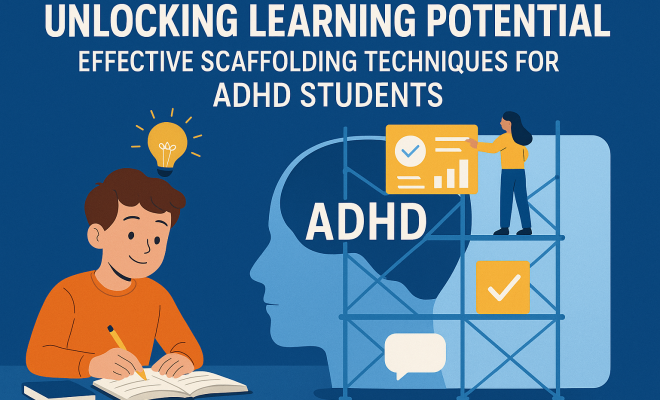
Unlocking Learning Potential: Effective Scaffolding Techniques for ADHD Students
“`html
Teaching students with Attention Deficit Hyperactivity Disorder (ADHD) can present unique challenges, but employing effective scaffolding techniques for ADHD students can dramatically improve their learning outcomes. Scaffolding, a concept originally rooted in educational psychology, involves providing support structures to help students gradually become independent learners. This approach is especially effective for ADHD students, who often struggle with focus, organization, and impulse control.
Understanding ADHD and Its Impact on Learning
ADHD affects approximately 5% of children and can persist into adulthood. The symptoms—characterized by inattention, hyperactivity, and impulsivity—can create significant hurdles in academic settings. These symptoms manifest in various ways, making it difficult for students to stay on task, follow instructions, or complete assignments on time.
For example, a student may be easily distracted by classroom noise, struggle to maintain focus during lectures, or have difficulty organizing their thoughts for writing assignments. Recognizing these challenges is crucial for educators aiming to implement effective scaffolding techniques for ADHD students.
The Role of Scaffolding in Education
Scaffolding is essentially a teaching strategy aimed at supporting students as they develop new skills and knowledge. This method allows educators to break down complex tasks into manageable parts, thereby reducing anxiety and increasing engagement. In the context of ADHD, scaffolding techniques can provide much-needed structure, allowing students to thrive in a learning environment that often feels overwhelming.
Here are a few key principles that underpin effective scaffolding:
- Gradual Release of Responsibility: Teachers initially provide full support, then gradually transfer responsibility to the student.
- Active Engagement: Students are encouraged to actively participate in their learning, rather than passively receiving information.
- Feedback and Assessment: Regular feedback helps students understand their progress and areas for improvement.
Key Scaffolding Techniques for ADHD Students
Implementing scaffolding techniques tailored to ADHD students can greatly enhance their learning experience. Here are some highly effective strategies:
1. Chunking Information
Breaking tasks into smaller, more manageable chunks is a powerful technique. Instead of presenting an entire lesson at once, break it down into several parts. For instance, if teaching a math concept, introduce one idea at a time and allow students to practice before moving on to the next.
This method not only makes it easier for ADHD students to digest information but also helps them feel a sense of accomplishment as they complete each chunk.
2. Visual Supports
Using visual aids such as charts, diagrams, and graphic organizers can significantly aid ADHD students in retaining information. These tools serve as reminders and provide a clear structure for the content being taught.
For example, a teacher could use a flowchart to illustrate the steps in solving a math problem or color-coded notes to highlight key concepts in a science lesson. Visual supports cater to different learning styles and can help anchor the attention of students who may otherwise drift away.
3. Structured Routines
Establishing a consistent routine in the classroom can provide a sense of stability for ADHD students. Having clear expectations for daily activities and transitions can minimize anxiety and help students focus better on their tasks.
Incorporating timers or visual schedules can assist in reinforcing routines. For instance, a timer might signal when it’s time to switch activities, while a visual schedule could outline the day’s tasks, including breaks. This structure can make a significant difference in maintaining student engagement.
4. Interactive Learning
ADHD students often thrive in environments where they can participate actively. Incorporating hands-on activities, group work, and discussions not only keeps students engaged but also caters to their need for movement and interaction.
For example, consider using group projects that allow students to collaborate and share ideas. This not only helps them learn from one another but also gives them the opportunity to stay engaged and focused on the task at hand.
5. Frequent Check-ins
Regular check-ins with ADHD students can help ensure they understand the material and remain focused. These brief one-on-one interactions allow teachers to gauge a student’s comprehension and provide immediate feedback.
Teachers can use questioning techniques to assess understanding or provide clarifying information. Additionally, these check-ins can serve as motivation for students who might struggle with feelings of isolation or frustration in a traditional classroom setting.
Leveraging Technology for Scaffolding
Today’s technology can play a pivotal role in implementing scaffolding techniques for ADHD students. With the right tools, educators can create an engaging and supportive learning environment. Here are some technological approaches to consider: (See: ADHD facts and statistics.)
1. Educational Apps
Various educational apps are designed specifically to help students with ADHD. These apps often incorporate gamification elements that make learning more enjoyable. For instance, math apps that use games to teach problem-solving skills can help maintain engagement and motivation.
Apps that offer visual reminders or organizational tools can also be beneficial. Tools like digital planners can help students keep track of assignments and deadlines, providing an extra layer of support.
2. Online Learning Platforms
Online learning platforms can provide a wealth of resources tailored for ADHD students. These platforms often include interactive lessons, quizzes, and forums for discussion, all designed to cater to different learning styles.
Moreover, many platforms allow students to work at their own pace, which is particularly advantageous for ADHD students who may need more time to absorb certain concepts.
3. Assistive Technology
Assistive technology can help students with ADHD manage their symptoms and succeed academically. Tools such as speech-to-text software can assist students in writing assignments, allowing them to express their ideas without the frustration of traditional writing methods.
Similarly, audiobooks can help students who struggle with reading comprehension, allowing them to access the content in a format that fits their needs.
Creating an Inclusive Classroom Environment
Beyond scaffolding techniques, fostering an inclusive classroom environment is essential for supporting ADHD students. Teachers should strive to create a space where all students feel understood and valued. Here are some strategies to cultivate this environment:
1. Building Relationships
Developing strong relationships with students can enhance their learning experiences. Take time to understand each student’s unique strengths, challenges, and interests. This rapport can significantly impact their motivation and willingness to engage in the learning process.
Regular communication with parents or guardians can also provide valuable insights into a student’s behavior and performance at home, creating a comprehensive support system.
2. Encouraging Positive Behavior
Implementing a positive reinforcement system can help motivate ADHD students. Acknowledging their efforts, even in small ways, can bolster self-esteem and encourage continued engagement.
Consider using a reward system where students earn points or tokens for completing tasks or demonstrating positive behaviors. This approach not only motivates students but also reinforces desired behaviors.
Professional Development for Educators
Effective scaffolding techniques for ADHD students require that educators be well-informed about ADHD and its impact on learning. Professional development opportunities can equip teachers with the necessary knowledge and skills to support these students effectively.
Workshops and seminars focused on ADHD awareness and teaching strategies can provide educators with practical tools and techniques to implement in the classroom. Additionally, collaborating with special education professionals can offer insights into individualized approaches tailored to specific student needs.
The Current Relevance of Scaffolding Techniques
As education continues to evolve, the need for adaptive teaching strategies like scaffolding becomes increasingly relevant. With the rise of diverse learning environments, including remote and hybrid models, understanding how to support ADHD students in various contexts is crucial.
Incorporating scaffolding techniques not only benefits ADHD students but can also enhance the learning experience for all students, creating a more inclusive and effective educational environment. With the right support, students with ADHD can thrive, unlocking their full potential in a nurturing classroom.
Strategies for Parents Supporting ADHD Students
While educators play a vital role in the academic journey of ADHD students, parents also have a significant impact on their success. Here are some strategies parents can employ at home:
1. Create a Structured Home Environment
Much like a structured classroom, a consistent routine at home can help ADHD students thrive. Parents can establish specific times for homework, chores, and leisure activities. Having a set schedule helps students know what to expect and can minimize distractions.
2. Use Visual Aids at Home
Just as visual supports are beneficial in the classroom, they can also be effectively utilized at home. Parents can create visual schedules or charts to break down daily responsibilities. This not only helps children remember their tasks but also gives them a sense of accomplishment as they check off completed items.
3. Encourage Breaks and Physical Activity
Physical activity can be an excellent strategy for improving focus and reducing impulsivity. Encourage children to engage in regular breaks during homework, allowing them to stretch, move around, or even indulge in a favorite activity. This can help reset their focus when they return to their work. (See: National Institute of Child Health and Human Development on ADHD.)
4. Foster Open Communication
Encourage children to express their feelings and frustrations. Open communication can help them articulate challenges they face, whether at school or home. This dialogue fosters a supportive atmosphere where students feel understood and less isolated.
5. Collaborate with Educators
Maintaining a partnership with teachers can greatly benefit ADHD students. Parents can schedule regular meetings with educators to discuss their child’s progress and share insights that may help tailor educational strategies to the student’s needs.
Common Misconceptions About ADHD
Understanding ADHD is crucial for both educators and parents. Here are some common misconceptions regarding ADHD that need addressing:
1. ADHD is Just a Lack of Discipline
Many people mistakenly believe that ADHD is a result of poor parenting or lack of discipline. However, ADHD is a neurological disorder that affects how the brain processes information and regulates behavior. Understanding this distinction is vital for developing effective support strategies.
2. ADHD Only Affects Boys
While boys are diagnosed with ADHD more frequently, girls can also have ADHD, often presenting symptoms differently. Acknowledging that girls may exhibit higher levels of inattentiveness rather than hyperactivity is important for both diagnosis and treatment.
3. Medication is the Only Solution
While medication can be an effective treatment for some ADHD students, it is not the sole solution. A comprehensive approach that includes behavioral therapy, classroom accommodations, and parental support often yields the best results.
4. ADHD Symptoms Decrease with Age
While some individuals may find that their symptoms improve with age, ADHD can persist into adulthood. Awareness of this fact encourages continuous support and understanding throughout a person’s life.
Scaffolding Techniques for Various Learning Styles
Every student, including those with ADHD, has a unique learning style. Tailoring scaffolding techniques to accommodate different styles can maximize effectiveness:
1. Auditory Learners
For auditory learners, incorporating discussions, verbal instructions, and audiobooks can enhance understanding. Using rhymes or rhythms to teach concepts can also be effective.
2. Kinesthetic Learners
Kinesthetic learners benefit from hands-on activities and movement. Implementing interactive lessons, such as role-playing or experiments, keeps these students engaged.
3. Visual Learners
Visual learners thrive with diagrams, charts, and videos. Providing visual summaries of lessons can help solidify understanding and retention of information.
FAQ About Scaffolding Techniques for ADHD Students
What are scaffolding techniques?
Scaffolding techniques are teaching methods that provide support to students as they learn new concepts. These techniques involve breaking down tasks, using visual aids, and providing structured routines to assist students in achieving independence in their learning.
How can I tell if my child needs scaffolding techniques?
If your child struggles with focus, organization, or completing assignments, they may benefit from scaffolding techniques. Observing their learning behaviors and talking to teachers can provide insights into whether additional support is needed.
Are scaffolding techniques only beneficial for ADHD students?
No, while scaffolding techniques are especially effective for ADHD students, they can be beneficial for all learners. These methods promote engagement and understanding across various learning styles and needs.
How can I implement scaffolding at home?
Parents can implement scaffolding at home by creating structured routines, using visual aids, and encouraging open communication. Breaking tasks into smaller steps and providing regular feedback also helps students build confidence and skills.
Can technology enhance scaffolding techniques?
Absolutely! Technology can enhance scaffolding techniques by offering tools that promote engagement and provide individualized support. Educational apps and online platforms can help students access information in a way that matches their learning style.
Additional Strategies for Effective Scaffolding
To maximize the effectiveness of scaffolding techniques for ADHD students, consider these additional strategies:
1. Use of Clear Instructions
When giving instructions, clarity is key. Use simple, direct language and avoid long-winded explanations. Breaking instructions down into steps can help ensure the student understands the task and can follow through without becoming overwhelmed.
2. Incorporate Interests Into Lessons
Linking lessons to a student’s interests can significantly enhance engagement. For example, if a student loves video games, use game-related scenarios in math problems. This not only makes learning more relevant but can also capture their attention more effectively.
3. Develop Self-Monitoring Skills
Teaching students self-monitoring skills can empower them to take charge of their learning. Encourage them to reflect on their progress, set personal goals, and develop strategies for staying focused. Tools like self-assessment checklists can be particularly useful.
4. Implement Peer Support Systems
Peer support can create a nurturing environment for ADHD students. Pairing them with a buddy for tasks or group work can foster collaboration and provide additional encouragement. This system can also help build social skills and enhance their overall school experience.
5. Encourage Mindfulness Practices
Mindfulness can greatly benefit ADHD students by enhancing focus and emotional regulation. Incorporating short mindfulness exercises or breathing techniques into the daily routine can help students calm their minds and prepare for learning.
Conclusion: Empowering ADHD Students Through Scaffolding
Teaching students with ADHD requires patience, understanding, and the right strategies. By implementing effective scaffolding techniques, educators can provide the support needed for these students to succeed. With the right approach, ADHD students can overcome their challenges, engage meaningfully with the curriculum, and ultimately become independent learners. The road may be challenging, but the rewards of empowering these students are immeasurable.
“`
Trending Now
Frequently Asked Questions
What are effective scaffolding techniques for ADHD students?
Effective scaffolding techniques for ADHD students include breaking tasks into manageable parts, providing clear instructions, and using visual aids. Gradual release of responsibility allows students to gain independence over time, while active engagement keeps them involved in their learning process.
How does ADHD affect learning in students?
ADHD affects learning by causing inattention, hyperactivity, and impulsivity, which can lead to difficulties in focusing, following instructions, and completing assignments. Understanding these challenges is essential for educators to provide appropriate support through scaffolding techniques.
What is the role of scaffolding in education?
Scaffolding in education serves as a supportive teaching strategy that breaks down complex tasks into simpler components. This approach helps reduce anxiety and increases engagement, especially for students with ADHD, allowing them to thrive in challenging learning environments.
How can teachers support students with ADHD?
Teachers can support students with ADHD by implementing scaffolding techniques such as providing structured routines, offering frequent feedback, and using interactive learning methods. These strategies help students stay focused, organized, and motivated in their academic pursuits.
What is the gradual release of responsibility in scaffolding?
The gradual release of responsibility in scaffolding is a teaching method where the instructor initially provides full support and guidance, then slowly shifts the responsibility for learning to the student. This approach fosters independence and confidence in learners, particularly those with ADHD.
What did we miss? Let us know in the comments and join the conversation.