Boost College Success: Essential Emotional Intelligence for Students
“`html
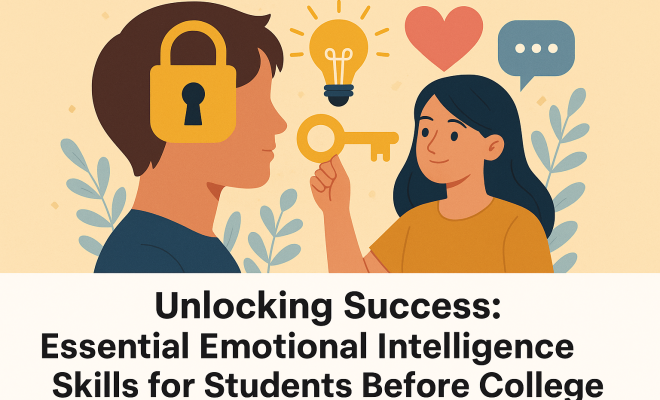
As high school students approach the threshold of higher education, they often focus on academic achievements, extracurricular activities, and college admissions. However, one vital aspect frequently overlooked is the development of emotional intelligence skills for students. These skills are not only essential for personal growth but also play a significant role in academic success and social interactions in college and beyond.
Understanding Emotional Intelligence
Emotional intelligence (EI), often referred to as emotional quotient (EQ), encompasses the ability to recognize, understand, and manage our own emotions while also being attuned to the emotions of others. The concept was popularized by psychologist Daniel Goleman, who identified five key components: self-awareness, self-regulation, motivation, empathy, and social skills. For high school students poised to transition into college life, developing these skills can be a game-changer.
The Importance of Emotional Intelligence in Higher Education
College students frequently encounter new environments, diverse groups of people, and increased academic pressures. Cultivating emotional intelligence skills for students can significantly ease this transition. Research indicates that students with high emotional intelligence tend to have better stress management abilities, improved academic performance, and more robust interpersonal relationships. The ability to navigate complex emotional landscapes can make students more resilient and adaptable in the face of challenges.
Self-Awareness: The Foundation of Emotional Intelligence
Self-awareness is the cornerstone of emotional intelligence. For high school students, this involves understanding their own emotions, strengths, weaknesses, values, and triggers. Developing self-awareness can help students recognize how their feelings influence their behavior and decision-making processes.
To enhance self-awareness, students can engage in reflective practices such as journaling or mindfulness exercises. These methods encourage students to explore their thoughts and feelings, helping them gain clarity and insight into their emotional responses.
Self-Regulation: Managing Emotions Effectively
Once students become aware of their emotions, the next step is to learn how to regulate them. Self-regulation involves controlling impulsive feelings and behaviors, maintaining emotional balance, and adapting to changing circumstances. For high school students, this skill is crucial in managing academic stress, peer pressure, and personal challenges.
Techniques such as deep breathing, cognitive reframing, and setting personal goals can aid in developing self-regulation. Students can practice these methods in everyday situations, allowing them to respond to stressors more calmly and thoughtfully.
Motivation: Harnessing Inner Drive
Intrinsic motivation is a powerful driver for academic and personal success. Students with high emotional intelligence often possess a strong sense of motivation, which propels them to set and achieve goals. Understanding what motivates them—whether it’s a desire to excel academically, contribute to their communities, or pursue personal passions—can help students stay focused and resilient in the face of adversity.
To cultivate motivation, students can set specific, achievable goals and celebrate small victories along the way. Establishing a growth mindset, where challenges are seen as opportunities for learning and growth, can also foster a more profound sense of motivation.
Empathy: Understanding Others
Empathy is the ability to understand and share the feelings of others. It is an essential component of emotional intelligence that can significantly enhance the interpersonal skills of high school students. Developing empathy enables students to build stronger, more meaningful relationships with their peers, teachers, and future classmates in college.
Students can enhance their empathy skills by actively listening to others, engaging in diverse experiences, and practicing perspective-taking. Volunteering in community service or participating in group activities can also provide valuable opportunities to connect with different people and understand their experiences. (See: Understanding emotional intelligence.)
Social Skills: Navigating Relationships
Effective social skills are crucial for high school students as they prepare for the collaborative nature of college life. This includes strong communication skills, conflict resolution abilities, and the capacity to work well in teams. High emotional intelligence often results in enhanced social skills, enabling students to navigate complex social situations more effectively.
To develop social skills, students can engage in group projects, join clubs, or participate in sports. These activities not only foster teamwork but also allow students to practice communication and conflict resolution skills in a supportive environment.
Building Emotional Intelligence Skills in High School
There are various approaches high school students can take to develop their emotional intelligence skills. Schools can play a pivotal role in this development by incorporating social-emotional learning (SEL) programs into their curricula. These programs teach students about emotions, empathy, and interpersonal relationships, providing them with essential skills for success in college and life.
Additionally, parents and guardians can support their children’s emotional intelligence development by encouraging open discussions about feelings and modeling healthy emotional expression. Creating a safe space for students to share their experiences and emotions can significantly enhance their self-awareness and emotional regulation.
The Role of Technology in Emotional Intelligence Development
In today’s digital age, technology can also play a role in fostering emotional intelligence. Various apps and online platforms offer resources for mindfulness, emotional regulation, and social skills training. These tools can provide students with the flexibility to learn and practice emotional intelligence skills at their own pace.
Moreover, engaging in online discussions and forums can help students practice empathy and communication skills in a digital context. However, it is essential to balance online interactions with face-to-face communication to ensure the development of comprehensive social skills.
Challenges in Developing Emotional Intelligence Skills
Despite the numerous benefits of emotional intelligence, students may face challenges in developing these skills. Factors such as peer pressure, societal expectations, and academic stress can hinder emotional growth. Furthermore, students may struggle with identifying and expressing their emotions due to a lack of guidance or support.
To overcome these challenges, it is crucial for students to seek support from trusted adults, whether they are teachers, counselors, or family members. Open dialogues about emotional experiences can help students navigate difficult situations and develop stronger emotional resilience.
The Long-Term Impact of Emotional Intelligence
Investing time and effort into developing emotional intelligence skills during high school can yield significant long-term benefits. Research indicates that individuals with high emotional intelligence tend to have better career prospects, improved relationship satisfaction, and higher overall well-being. For students, mastering these skills before entering college can lay the groundwork for future success in both personal and professional realms.
As high school students prepare for the next chapter of their lives, fostering emotional intelligence skills for students will not only enhance their college experience but also equip them with tools to navigate life’s challenges with resilience and grace.
Strategies for Developing Emotional Intelligence Skills in the Classroom
Educators play a crucial role in the development of emotional intelligence among their students. By implementing specific strategies, they can create an environment where students feel safe to express their emotions and develop critical emotional skills.
- Incorporate Emotional Learning into Lessons: Teachers can integrate emotional learning into their subjects. For instance, literature classes can explore characters’ emotional journeys to help students identify and understand various feelings.
- Create a Safe Classroom Environment: Establishing ground rules that promote respect and open communication can help students feel more comfortable sharing their emotions and thoughts without fear of judgment.
- Use Role-Playing Activities: Role-playing scenarios can help students practice empathy and social skills by stepping into the shoes of others, allowing them to explore different perspectives and emotional responses.
- Encourage Group Work: Collaborative projects foster teamwork and communication, providing students with ample opportunities to practice their emotional skills in real-life contexts.
Expert Perspectives on Emotional Intelligence in Education
Experts in psychology and education emphasize the critical need for emotional intelligence skills in students. According to Dr. Marc Brackett, a leading researcher in the field, “Emotional intelligence is not just about being nice; it’s about understanding your feelings and those of others to achieve your goals.”
Similarly, Dr. Daniel Goleman, the author of “Emotional Intelligence,” stresses that emotional skills are essential for success in academics and in life. He states, “In schools, emotional intelligence can enhance students’ ability to learn, achieve better relationships with peers, and adapt to the complexities of life.” (See: CDC resources on emotional intelligence.)
Statistics on Emotional Intelligence in Students
Understanding the impact of emotional intelligence on student success can be illustrated through various statistics. A study conducted by the Collaborative for Academic, Social, and Emotional Learning (CASEL) found that students who received social-emotional learning instruction exhibited a 23% increase in academic performance compared to peers who did not receive such training.
Moreover, research published in the Journal of Educational Psychology reveals that students with higher emotional intelligence have lower levels of anxiety and stress, which correlates with improved academic outcomes. In fact, 70% of students with high emotional intelligence reported feeling more confident in their academic abilities.
Comparing Emotional Intelligence to Traditional Intelligence
While traditional intelligence (often measured by IQ) is crucial for academic success, emotional intelligence (EQ) plays an equally significant role in a student’s overall development. Unlike IQ, which primarily assesses cognitive abilities, EQ measures how well individuals understand and manage their emotions and the emotions of others.
For instance, a student with a high IQ may excel in mathematics but struggle to collaborate in group settings due to poor emotional awareness. On the other hand, a student with high EQ may not be a top scorer in math but can lead group projects effectively, fostering a collaborative spirit and positive group dynamics. This highlights the necessity of nurturing both types of intelligence for holistic student development.
Practical Exercises to Enhance Emotional Intelligence Skills
Students can engage in various practical exercises to enhance their emotional intelligence skills. Here are some effective techniques:
- Mindfulness Meditation: Practicing mindfulness can help students become more aware of their emotions, reducing stress and improving self-regulation.
- Emotion Journals: Keeping a daily journal to reflect on emotional experiences can foster self-awareness and encourage emotional expression.
- Feedback Sessions: Regularly seeking and giving constructive feedback can enhance social skills and empathy, as students learn to communicate effectively with peers.
- Group Reflection: After group activities, conducting reflection sessions can help students discuss emotional responses and learn from each other’s experiences.
FAQs about Emotional Intelligence Skills for Students
What is emotional intelligence?
Emotional intelligence refers to the ability to recognize, understand, and manage one’s own emotions, as well as the ability to recognize and influence the emotions of others.
Why is emotional intelligence important for students?
Emotional intelligence is crucial for students as it enhances academic performance, fosters better relationships, and equips them with the resilience needed to navigate life’s challenges.
How can students improve their emotional intelligence?
Students can improve their emotional intelligence through self-reflection, engaging in mindfulness practices, participating in social-emotional learning programs, and actively seeking feedback from peers and mentors.
Can emotional intelligence be taught?
Yes, emotional intelligence can be taught and developed through structured programs, workshops, and everyday practice in social settings. Schools play a key role in facilitating this learning.
Are there any resources available for developing emotional intelligence?
Many resources are available, including books, online courses, workshops, and apps designed to help students develop emotional intelligence skills. Some popular books include “Emotional Intelligence 2.0” by Travis Bradberry and Jean Greaves and “The Emotionally Intelligent Teacher” by Marcia Reynolds.
How does emotional intelligence impact future career success?
Emotional intelligence significantly impacts career success by enhancing interpersonal skills, leadership abilities, and conflict resolution capabilities, which are all critical in the workplace.
Is there a correlation between emotional intelligence and academic performance?
Yes, studies show that students with high emotional intelligence tend to perform better academically due to improved stress management, motivation, and interpersonal skills.
Further Insights into Emotional Intelligence Development
As the discussion around emotional intelligence continues to evolve, it’s clear that fostering these skills can have profound implications for students. Emotional intelligence not only benefits individual students but also contributes to creating a healthier school environment.
The Impact of Emotional Intelligence on School Culture
When schools prioritize the development of emotional intelligence, the entire culture shifts. Classrooms become more inclusive and supportive, allowing students to express themselves without fear of judgment. This inclusivity leads to improved student engagement, which is critical for learning. Furthermore, research from the University of California indicates that schools with robust social-emotional learning programs experience lower rates of bullying and increased academic performance across the board.
Emotional Intelligence and Leadership Skills
Emotional intelligence is closely linked to effective leadership. Students who cultivate these skills are often better equipped to take on leadership roles, both during their time in school and in future endeavors. For example, a student with high emotional intelligence may be more adept at motivating peers, resolving conflicts, and fostering an environment of collaboration and respect. These are invaluable skills that employers seek in the workforce.
Real-World Applications of Emotional Intelligence
Understanding emotional intelligence also has real-world applications beyond the classroom. For instance, in a workplace setting, employees with high EQ are often better at understanding team dynamics, which can lead to more effective collaboration and project outcomes. According to a study by the TalentSmart, 90% of top performers in the workplace have high emotional intelligence, demonstrating its significance in career advancement.
Integration of Emotional Intelligence in Extracurricular Activities
Extracurricular activities provide an excellent platform for students to practice and enhance their emotional intelligence. Whether it’s participating in team sports, music bands, or drama clubs, these activities often require collaboration, communication, and empathy. For example, team sports teach students to cope with wins and losses and understand different perspectives among team members. This experience can be transformative, allowing students to apply emotional intelligence skills in various situations.
Conclusion: The Path Forward for Students
As students stand on the brink of their future, developing emotional intelligence skills for students is not just an academic exercise; it is a necessary investment in their overall well-being and success. By recognizing, nurturing, and applying these skills, they prepare themselves not only for the rigors of higher education but also for the complexities of life beyond school. The journey towards emotional intelligence is ongoing, and its benefits will ripple through all aspects of a student’s life, from personal relationships to professional success.
As high school students prepare for the next chapter of their lives, fostering emotional intelligence skills for students will not only enhance their college experience but also equip them with tools to navigate life’s challenges with resilience and grace.
“`
Trending Now
Frequently Asked Questions
What is emotional intelligence and why is it important for students?
Emotional intelligence (EI) refers to the ability to recognize, understand, and manage emotions in oneself and others. For students, developing EI is crucial as it enhances personal growth, academic success, and social interactions, especially as they transition into the diverse and challenging environment of college.
How can students develop emotional intelligence skills?
Students can develop emotional intelligence skills through self-reflection, mindfulness practices, and engaging in social interactions. Activities that promote self-awareness, empathy, and effective communication can significantly improve their emotional skills, preparing them for the challenges of college life.
What are the key components of emotional intelligence?
The key components of emotional intelligence, as identified by psychologist Daniel Goleman, include self-awareness, self-regulation, motivation, empathy, and social skills. These components work together to enhance interpersonal relationships and personal effectiveness, especially in academic settings.
How does emotional intelligence affect academic performance?
Research shows that students with high emotional intelligence often experience better academic performance. They possess improved stress management abilities, resilience, and adaptability, which help them navigate academic pressures and maintain positive relationships with peers and instructors.
Why is self-awareness considered the foundation of emotional intelligence?
Self-awareness is the foundation of emotional intelligence because it allows individuals to understand their emotions, strengths, weaknesses, and values. For students, enhancing self-awareness helps them recognize how feelings influence behavior and decision-making, crucial for personal and academic success.
Agree or disagree? Drop a comment and tell us what you think.