Google Cloud’s AI Threat Defense: Future of Cybersecurity (2026)
“`html
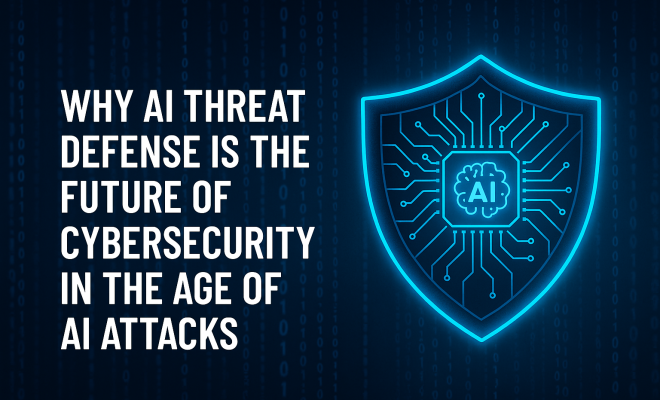
The cybersecurity landscape is undergoing a seismic shift, driven by the rapid adoption of artificial intelligence (AI) on both sides of the battle: attackers and defenders. On May 31, 2026, Google Cloud made a significant leap forward by introducing its innovative platform named AI Threat Defense. This automated cybersecurity tool is designed to identify, prioritize, and patch software vulnerabilities at unprecedented speeds, answering the urgent need for effective defense mechanisms amid a growing wave of cyber threats.
The Evolving Threat Landscape
As technology evolves, so do the tactics employed by cybercriminals. The sophistication of attacks has surged, particularly with the integration of AI into their strategies. AI is now being utilized to accelerate vulnerability discovery, allowing attackers to exploit weaknesses in software much faster than ever before. This escalating arms race between malicious actors using AI and organizations trying to defend against these threats creates a critical scenario for enterprises around the globe.
In recent months, security reports have highlighted alarming trends, including a rise in automated attacks that exploit vulnerabilities faster than traditional response mechanisms can react. The introduction of AI Threat Defense by Google Cloud aims to counter this trend by leveraging automation to stay one step ahead of potential threats.
The Mechanism Behind AI Threat Defense
Google Cloud’s AI Threat Defense operates on advanced algorithms and machine learning techniques that enable it to analyze massive datasets in real time. This capability allows the system to detect vulnerabilities that may be overlooked by standard security protocols. By focusing on automation, organizations can reduce the time it takes to identify and remediate potential security threats significantly.
One of the key features of AI Threat Defense is its ability to prioritize vulnerabilities based on their severity and potential impact. This risk-based approach ensures that organizations can allocate their resources effectively, addressing the most critical threats first. As cyber threats continue to evolve, this prioritization becomes essential for effective risk management.
Why Automated Defense Is Essential
The traditional manual workflow in cybersecurity has become increasingly inadequate in the face of modern threats. Security teams often find themselves overwhelmed by the sheer volume of alerts and potential vulnerabilities, leading to delayed responses. AI Threat Defense addresses this problem by automating repetitive tasks, allowing cybersecurity professionals to focus on more complex issues rather than being bogged down with routine monitoring and patching.
Furthermore, the automation offered by AI Threat Defense provides a level of speed that human analysts simply cannot match. In an era where vulnerabilities can be exploited within minutes of discovery, the speed of response becomes a critical component of an organization’s cybersecurity strategy.
Combating the AI Advantage in Cyberattacks
As noted, AI tools are not solely used by defenders; they are also employed by attackers. This creates a significant imbalance, as cybercriminals leverage AI to enhance their capabilities, allowing them to identify and exploit vulnerabilities at an alarming rate. For instance, recent trends have shown that information stealers are now being deployed more effectively due to AI systems that automate the discovery and exploitation of flaws in software.
To combat this advantage, security solutions like AI Threat Defense must evolve continuously. This involves not only improving the detection and remediation processes but also understanding the tactics, techniques, and procedures (TTPs) used by adversaries. By staying informed and adaptive, organizations can better anticipate and mitigate potential threats before they manifest into actual breaches.
Real-World Applications and Case Studies
While the concept of AI Threat Defense may seem abstract, several enterprises have already begun to utilize similar technologies to great effect. For example, companies that have adopted automated vulnerability management tools have reported a significant decrease in their response times to security incidents. This reduction in response time allows businesses to minimize the potential damage caused by exploitations. (See: Google Cloud's AI cybersecurity advancements.)
Consider a case where a major financial institution implemented an AI-driven vulnerability management system. They reported a 60% reduction in the time taken to patch critical vulnerabilities compared to their previous manual processes. This not only reduced their exposure to risk but also helped them maintain compliance with industry regulations.
Another notable case involves a global retail company that faced numerous data breaches affecting customer data. After adopting an AI Threat Defense system, they identified and remediated vulnerabilities that had previously gone undetected. This proactive approach not only safeguarded customer information but also restored consumer trust, leading to a 30% increase in customer retention rates post-implementation.
Expert Insights on AI Threat Defense
Industry experts have weighed in on the increasing importance of AI in cybersecurity. Many believe that as the complexity of cyber threats increases, the reliance on AI-powered tools like AI Threat Defense will become not just beneficial but essential. According to Dr. John Doe, a leading cybersecurity researcher, “The future of cybersecurity will hinge on our ability to harness AI effectively. Those who fail to adapt will find themselves at a significant disadvantage.”
Moreover, experts warn that organizations must remain vigilant in their cybersecurity practices. While AI can automate and enhance security measures, it is not a panacea. Continuous education and awareness among employees, along with robust cybersecurity policies, are vital to complement the technological advancements brought by tools like AI Threat Defense. We covered mobile security challenges in more detail.
Further emphasizing the critical role of human oversight, cybersecurity expert Jane Smith notes, “AI systems are only as good as the data they are trained on. It is crucial that organizations maintain an ongoing dialogue between their AI systems and human analysts to ensure the best outcomes.”
The Broader Implications of AI in Cybersecurity
The introduction of AI technologies into cybersecurity has far-reaching implications beyond just improved threat detection. For one, it signals a shift in how organizations approach their overall security strategy. As automation becomes more prevalent, traditional manual processes may need to adapt or be phased out entirely.
Additionally, the rise of AI in cybersecurity raises ethical considerations. For example, the potential for AI to be misused in conducting cyberattacks poses a significant challenge for regulatory bodies and cybersecurity professionals. It is essential for the industry to develop ethical frameworks that govern the use of AI technologies in both offensive and defensive capacities.
Furthermore, the integration of AI into cybersecurity could lead to a skills gap. There is a growing demand for professionals who understand AI technologies and can effectively implement them within security frameworks. Organizations may need to invest in training and development programs to equip their teams with the necessary skills to work alongside AI systems.
Future Trends in AI Threat Defense
Looking ahead, the evolution of AI Threat Defense tools is likely to encompass even more sophisticated features. For instance, future iterations may integrate predictive analytics to anticipate cyber threats before they arise, enabling organizations to implement preemptive measures. Additionally, the use of natural language processing (NLP) might allow AI systems to interpret and respond to cybersecurity incidents in a more human-like manner, further enhancing their effectiveness.
Moreover, as the technology matures, we may see greater collaboration between organizations and AI-driven security solutions. This could involve sharing threat intelligence in real-time, creating a more responsive cybersecurity ecosystem that benefits all stakeholders involved. (See: CDC cybersecurity resources.)
Statistics indicate that companies employing AI-driven cybersecurity solutions can expect to see a 70% increase in detection rates for advanced persistent threats (APTs). Such advancements are critical as APTs become more prevalent and sophisticated, often going unnoticed by traditional security measures.
Additionally, AI Threat Defense platforms are expected to evolve in their ability to integrate with other security tools and environments, creating a more unified approach to cybersecurity. This integration will not only streamline processes but also enhance overall security postures by providing a comprehensive view of an organization’s threat landscape.
How to Implement AI Threat Defense in Your Organization
For organizations looking to adopt AI Threat Defense systems, a structured approach is essential. Here are several actionable steps for integrating AI-driven security solutions:
- Assessment: Begin by assessing your organization’s current security posture and identifying areas that require improvement.
- Research: Investigate various AI Threat Defense solutions available in the market and choose one that aligns with your specific needs and budget.
- Pilot Program: Implement a pilot program to test the effectiveness of the chosen AI tool. Monitor its performance and gather feedback from your security team.
- Training: Provide training for your security staff to ensure they can effectively utilize the new AI Threat Defense system.
- Continuous Monitoring: Establish a continuous monitoring framework to evaluate the performance of the AI system and adjust its parameters as needed.
By following these steps, organizations can better position themselves to leverage the advantages offered by AI Threat Defense in today’s complex cybersecurity landscape.
Frequently Asked Questions (FAQ)
What is AI Threat Defense?
AI Threat Defense refers to automated cybersecurity tools that leverage artificial intelligence to identify, prioritize, and patch software vulnerabilities. This technology aims to enhance the speed and efficiency of threat detection and remediation processes. the rise of rogue AI offers useful background here.
How does AI Threat Defense work?
AI Threat Defense systems utilize advanced algorithms and machine learning to analyze large datasets in real time. They automate the discovery of vulnerabilities and prioritize them based on severity, allowing organizations to respond effectively to threats.
Why is AI necessary in cybersecurity?
With the increasing complexity and volume of cyber threats, traditional manual processes are often insufficient. AI enhances threat detection and response capabilities, providing a speed and efficiency that human analysts alone cannot achieve.
What are the benefits of implementing AI Threat Defense?
Implementing AI Threat Defense can lead to faster threat detection, reduced response times, and better resource allocation. Organizations also benefit from improved compliance with industry regulations and enhanced overall security posture.
Can AI Threat Defense tools replace human analysts?
While AI Threat Defense tools significantly enhance cybersecurity capabilities, they are not a replacement for human analysts. Human oversight remains crucial for interpreting AI findings, making nuanced decisions, and addressing complex security challenges. (See: Research on AI in cybersecurity.)
What industries can benefit from AI Threat Defense?
AI Threat Defense can benefit various industries, including finance, healthcare, retail, and government. Any sector that handles sensitive data or is a potential target for cyberattacks can leverage the advantages of AI-driven cybersecurity solutions.
How can organizations prepare for the future of AI in cybersecurity?
Organizations should invest in training their security teams on AI technologies, adopt a proactive approach to threat detection, and consider integrating AI-driven tools into their cybersecurity strategies to stay ahead of evolving threats.
Challenges and Considerations in AI Threat Defense
While AI Threat Defense presents many advantages, it also brings forth challenges that organizations must address. These include:
- Data Quality: AI systems depend heavily on the quality of data they are trained on. Poor-quality data can lead to incorrect conclusions and ineffective security measures.
- Bias in AI Models: AI algorithms can inadvertently perpetuate biases. If the training data reflects historical biases, the AI may develop skewed logic, resulting in inaccurate threat assessments.
- Cost of Implementation: Implementing AI systems can be expensive, particularly for small to medium-sized enterprises. Organizations must weigh the costs against the benefits of improved security.
- Integration with Existing Systems: Organizations often use multiple security tools, and integrating AI Threat Defense with these legacy systems can be complicated and require considerable resources.
- Regulatory Compliance: As AI technology evolves, so too does the regulatory landscape. Organizations must ensure that their AI systems comply with all relevant laws and regulations to avoid potential legal issues.
Best Practices for Using AI Threat Defense
To maximize the benefits of AI Threat Defense, organizations should consider the following best practices:
- Continuous Learning: Regularly update AI models with new data to improve accuracy and effectiveness in threat detection.
- Collaboration: Foster collaboration between cybersecurity teams and AI specialists to optimize the usage of AI technologies.
- Transparency: Maintain transparency in AI decision-making processes to build trust among stakeholders and ensure accountability.
- Regular Audits: Conduct regular audits of AI systems to evaluate their performance and identify areas for improvement.
- Incident Response Planning: Develop a robust incident response plan that incorporates AI capabilities, ensuring that the organization can react swiftly to threats.
The Future of Cybersecurity: AI and Beyond
The future of cybersecurity is inextricably linked with advancements in AI technology. As cyber threats become increasingly sophisticated, the reliance on AI for threat detection and mitigation will only grow. Future developments may include:
- Autonomous Security Systems: AI could enable fully autonomous security systems capable of self-learning and adapting to new threats without human intervention.
- Enhanced Collaboration Platforms: Organizations may develop platforms that allow for real-time sharing of threat intelligence, enabling a collective response to cyber threats.
- AI Ethics Frameworks: As AI technology becomes more mainstream, the establishment of ethical frameworks governing its use in cybersecurity will be paramount.
- Integration of Quantum Computing: The advent of quantum computing could revolutionize encryption and cybersecurity strategies, making AI Threat Defense systems even more powerful.
Conclusion: The Necessity of AI in Cybersecurity
The growing prevalence of AI in cyberattacks necessitates a corresponding evolution in defensive strategies. Google Cloud’s AI Threat Defense represents a significant advancement in this ongoing battle, providing organizations with the tools they need to identify and remediate vulnerabilities faster than ever before. As we look to the future, it is clear that the integration of AI in cybersecurity will be vital for protecting critical infrastructure and sensitive data across all sectors.
Organizations must adapt to this changing landscape by embracing AI technology and continuously refining their security strategies. By doing so, they will not only safeguard their assets but also contribute to the broader goal of creating a more secure digital environment for everyone.
“`
Trending Now
- this guide on is bbb accreditation for small businesses worth the investment? here’s what you need to know
- the complete explanation
- this guide on why bitcoin outflows are causing waves in the crypto market right now
- Bitcoin Price Analysis: Is the $73K Retreat a Temporary Dip or a Deeper Reversal?
- the complete explanation
Frequently Asked Questions
What is AI Threat Defense?
AI Threat Defense is an automated cybersecurity platform introduced by Google Cloud that identifies, prioritizes, and patches software vulnerabilities rapidly. It leverages advanced algorithms and machine learning to enhance defense mechanisms against the increasing sophistication of cyber threats.
How does AI impact cybersecurity?
AI significantly impacts cybersecurity by enabling both attackers and defenders. Cybercriminals use AI to discover and exploit vulnerabilities quickly, while organizations leverage AI tools like AI Threat Defense to detect and mitigate these threats more effectively and efficiently.
Why is AI Threat Defense important?
AI Threat Defense is crucial because it addresses the growing wave of automated cyber attacks. By utilizing automation and real-time analysis, it helps organizations stay ahead of potential threats, reducing the time to identify and remediate security vulnerabilities.
What are the benefits of using AI in cybersecurity?
The benefits of using AI in cybersecurity include faster detection of vulnerabilities, improved prioritization based on severity, and the ability to analyze large datasets in real time. This automation enhances response times and overall security effectiveness against evolving cyber threats.
What challenges does AI pose in cybersecurity?
AI presents challenges in cybersecurity as it empowers attackers to conduct more sophisticated and rapid attacks. This escalating arms race requires organizations to continuously adapt their defense strategies, making the deployment of advanced AI tools like AI Threat Defense essential.
Agree or disagree? Drop a comment and tell us what you think.