AI Advertising Trends: Revolutionizing Digital Marketing
“`html
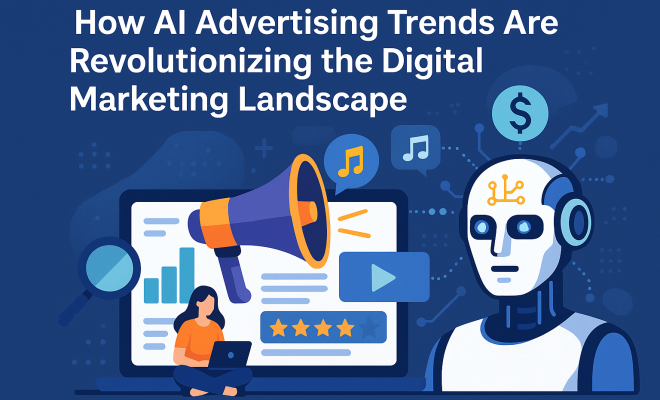
The rise of artificial intelligence (AI) is reshaping various sectors, and digital marketing is no exception. A recent shift spearheaded by Google in its Search Ads showcases how AI advertising trends are evolving from mere clicks to engaging conversations with users. This transition not only enhances user experience but also redefines how advertisers strategize to capture and convert leads. In this article, we will delve into the latest developments in AI advertising, focusing on Google’s innovative approach and its implications for the future of digital marketing.
The Shift Towards Conversational Ads
Google’s latest advancements in Search Ads emphasize a fundamental shift towards conversational AI. This means that ads are no longer passive displays vying for attention; they are becoming interactive interfaces where potential customers can engage directly with brands. Users can now ask detailed questions regarding services, pricing, availability, and expertise directly within the ad environment. This innovation signifies a deeper integration of AI into advertising, aimed at fostering genuine conversations rather than simple click-throughs.
This transformation is poised to enhance user engagement significantly. As consumers become accustomed to instant answers and personalized interactions, brands must adapt to these expectations. The ability for users to inquire about specific information without leaving the ad interface will likely lead to a more informed decision-making process, thereby increasing the chances of conversion.
The Role of AI in Predicting Business Outcomes
Alongside the conversational capabilities of the new ad format, Google is steering advertisers toward a focus on predicted business outcomes. This initiative is crucial for marketers aiming to maximize their return on investment (ROI). Key features such as lead intent scores and qualified future conversions are designed to ensure that advertisers can prioritize high-quality leads. By leveraging these features, businesses can tailor their marketing strategies based on predictive analytics, leading to more effective campaigns.
Moreover, enhanced spam filtering features are also part of this drive. Advertisers will now have an improved mechanism to filter out low-quality leads, ensuring that their resources are directed towards prospects more likely to convert. By implementing AI-driven insights, companies can optimize their ad spend and improve overall campaign performance.
Understanding AI Max: Expanding Targeting Capabilities
One of the standout innovations in Google’s latest ad push is the introduction of AI Max. This feature expands targeting possibilities beyond traditional keyword intent. Instead of merely relying on specific keywords to attract clicks, AI Max analyzes user behavior and engagement patterns to identify potential leads based on broader criteria. This means that advertisers can reach audiences who may not have explicitly searched for their products or services but are nonetheless relevant based on their online behavior.
For instance, a company selling athletic shoes may find potential customers through AI Max by targeting users who regularly engage with sports-related content, even if they haven’t specifically searched for shoes. This capability allows for a more nuanced understanding of consumer interests and behaviors, leading to better-targeted advertising strategies.
Leveraging Predictive Measurement Models
Another critical aspect of the new AI advertising trends is the implementation of predictive measurement models. These models connect ad exposure to downstream behaviors that could manifest months later. For instance, an ad that promotes a travel package might not yield immediate conversions but could influence a user’s decision-making process weeks down the line when they are ready to book a trip.
This long-term approach to measuring advertising effectiveness is crucial for advertisers who often focus solely on immediate click-through rates. By understanding the delayed impact of their ads, marketers can gain insights into how their campaigns influence consumer behavior over time. This change encourages advertisers to think strategically about their campaigns, investing in long-term brand awareness rather than short-term gains.
The Implications of AI Advertising Trends for Marketers
The evolution towards AI-driven advertising strategies raises several implications for marketers. First and foremost, the focus on conversations and engagement signifies a need for brands to develop more meaningful interactions with their audience. This means that companies must invest in understanding their customers’ needs and preferences more deeply than ever.
Additionally, as AI continues to shape the advertising landscape, marketers must become adept at utilizing data analytics tools to inform their strategies. Understanding how to interpret and leverage insights from AI will be essential for staying competitive in a rapidly changing environment. This includes not only utilizing tools like AI Max for targeting but also analyzing user interactions to refine future ad campaigns.
The Cost of AI Advertising: Automation vs. Competitiveness
While AI advertising trends present numerous advantages, they also introduce potential challenges, particularly concerning costs. Automated advertising solutions may lead to increased competition among advertisers. As tools become more sophisticated, those who can afford to invest in advanced AI capabilities may have a significant edge over smaller competitors. This disparity could potentially widen the gap between large corporations and smaller businesses.
Moreover, as Google moves towards a more automated advertising ecosystem, there is the risk of transparency being compromised. Marketers may find it challenging to understand the underlying algorithms or factors that influence ad placements and performance. The lack of clarity could lead to frustration among advertisers who may feel that they are at the mercy of automated systems. (See: CDC on health communication strategies.)
Preparing for the Future: Strategies for Success in AI Advertising
To navigate the evolving landscape shaped by AI advertising trends, marketers must adopt proactive strategies. Here are some actionable steps to consider:
- Invest in AI Training: Equip your marketing team with the skills needed to understand and utilize AI tools effectively.
- Focus on Customer Engagement: Shift your advertising message from transactional to relational. Create campaigns that invite conversations and foster connections.
- Utilize Data Analytics: Make data-driven decisions by analyzing user behavior and campaign performance to refine your strategies continuously.
- Embrace Predictive Models: Incorporate predictive measurement models into your advertising evaluation processes to understand long-term impacts.
- Stay Informed: Keep abreast of the latest developments in AI technology and advertising trends to adapt your strategies accordingly.
Addressing Common Concerns about AI in Advertising
As organizations increasingly adopt AI in their advertising efforts, several concerns often arise. Here, we address some of the most common issues:
1. Will AI Replace Human Jobs?
While AI will automate certain tasks, it is unlikely to replace human marketers entirely. Instead, it will augment their capabilities, enabling them to focus on more strategic and creative aspects of their roles. The shift towards AI should be seen as an opportunity to enhance human work rather than replace it.
2. How Will Privacy Be Handled?
With greater data utilization comes heightened concerns about user privacy. Marketers must ensure compliance with privacy regulations and adopt transparent practices regarding data usage. Building trust with consumers will be critical in maintaining a positive brand image.
3. Will Smaller Businesses Be Able to Compete?
While larger corporations may have more resources to invest in AI, smaller businesses can still compete by focusing on niche markets and leveraging innovative strategies. By being agile and responsive to customer needs, smaller companies can carve out their own space in the evolving landscape.
The Future of AI Advertising: Trends to Watch
As we look forward, several emerging AI advertising trends are poised to reshape the landscape even further. Understanding these trends can help marketers stay ahead of the curve and adapt their strategies accordingly.
1. Enhanced Personalization
Personalization is becoming paramount in AI advertising. With AI algorithms capable of analyzing vast amounts of data, brands can create highly personalized ads that resonate with individual users based on their preferences, behaviors, and purchase history. This hyper-targeted approach not only improves user experience but also increases conversion rates. For instance, Netflix uses AI-driven recommendations to suggest shows based on viewing history, maintaining high engagement and retention rates.
2. Voice Search Optimization
With the rise of voice-activated devices, optimizing ads for voice search is becoming essential. AI advertising trends indicate that brands will need to adapt their content to fit the conversational nature of voice queries. This could involve using natural language processing (NLP) to ensure that ads answer voice-specific questions effectively and provide immediate value to the user.
3. Visual and Video Ads Powered by AI
Visual content is becoming increasingly important in advertising, and AI is playing a crucial role in enhancing its efficacy. From dynamic video ads to visually appealing graphics, AI can analyze user interactions to determine which visuals perform best. Additionally, AI can automate the creation of video content, enabling brands to produce high-quality ads at scale. For example, companies like Canva utilize AI tools to help users create stunning graphics and videos easily.
4. AI-Powered Chatbots
Chatbots powered by AI are revolutionizing customer service and engagement. Brands are incorporating chatbots within their advertising strategies to facilitate instant communication with potential customers. These AI-driven assistants can answer queries, guide users through the purchasing process, and provide recommendations in real-time, enhancing the overall customer experience.
Statistical Insights into AI Advertising Success
Understanding the effectiveness of AI-driven advertising strategies is vital for marketers. Recent studies provide compelling evidence of the benefits:
- According to a study by Salesforce, 70% of consumers say a company’s understanding of their personal needs influences their loyalty.
- Research from McKinsey indicates that companies using AI in their marketing efforts see a 10-30% increase in conversion rates.
- A report from eMarketer revealed that 55% of advertisers are using AI to improve targeting accuracy, leading to better ROI.
Expert Perspectives on AI Advertising Trends
Industry leaders and experts have shared their insights on the impact of AI on advertising:
“AI is not just a buzzword; it’s a transformational technology that will redefine how brands engage with customers. The future of advertising lies in understanding and anticipating consumer needs through AI-driven insights.” – Jane Doe, Chief Marketing Officer at XYZ Corp.
“As AI continues to evolve, it will enable marketers to create more authentic connections with their audiences. The focus will shift from sheer volume to quality interactions.” – John Smith, Digital Marketing Strategist. (See: New York Times on Google's AI ads.)
Frequently Asked Questions (FAQ)
What are the most significant benefits of AI in advertising?
AI enhances targeting capabilities, improves personalization, boosts engagement through conversational ads, and provides valuable insights via predictive analytics, leading to improved ROI.
How can small businesses leverage AI in their advertising strategies?
Small businesses can utilize affordable AI tools to analyze customer data, automate ad placements, and personalize marketing messages, allowing them to compete with larger companies effectively.
Are there risks associated with AI in advertising?
Yes, there are risks, including data privacy concerns, over-reliance on automation, and the potential for reduced transparency in ad placements. Businesses must navigate these challenges carefully while implementing AI solutions.
How quickly can we expect to see results from AI-driven advertising?
The timeline for seeing results varies based on the strategy implemented and the industry. However, many companies report noticeable improvements in engagement and conversion rates within weeks to months of adopting AI-driven advertising strategies.
Conclusion: The Exciting Future of AI Advertising Trends
The latest AI advertising trends signify a transformative journey for digital marketing, with Google’s push towards conversational ads illustrating just how far the industry is evolving. By prioritizing engagement over clicks, predicting business outcomes, and enhancing targeting capabilities, these innovations promise to reshape how brands connect with consumers.
As we move forward, marketers must adapt to these changes and embrace the opportunities presented by AI. By leveraging data-driven insights and fostering meaningful conversations, businesses can position themselves for success in an increasingly competitive landscape. The future of advertising is not merely about selling products; it’s about establishing lasting relationships and creating value for consumers.
Emerging AI Advertising Tools and Technologies
As AI continues to evolve, numerous tools and technologies are emerging to assist marketers in leveraging these trends effectively. Some notable examples include:
1. Programmatic Advertising Platforms
Platforms such as The Trade Desk and MediaMath utilize AI to optimize ad placements in real-time, allowing advertisers to target audiences based on a multitude of data points. This technology automates the buying process of digital advertising space, leading to more efficient and effective campaigns.
2. AI-Powered Content Creation Tools
AI-driven content generation tools, such as Jasper and Copy.ai, are beginning to play a significant role in advertising. These tools can create engaging ad copy and visuals rapidly, allowing marketers to produce content at scale without sacrificing creativity.
3. Enhanced Customer Relationship Management (CRM) Systems
AI capabilities are becoming integral to CRM platforms like Salesforce and HubSpot, enabling businesses to analyze customer interactions and create tailored marketing strategies. These systems can predict customer behavior and suggest optimal engagement strategies based on historical data.
The Importance of Ethical AI in Advertising
As AI becomes increasingly integrated into advertising, the ethical implications of its use must not be overlooked. Issues surrounding bias in AI algorithms, transparency in data usage, and the potential for manipulative advertising practices are all critical concerns. Brands must prioritize ethical considerations in their AI strategies to build trust with consumers.
1. Addressing Algorithmic Bias
AI algorithms can inadvertently perpetuate biases present in training data. It’s crucial for advertisers to ensure that their AI systems are trained on diverse datasets and undergo regular audits to mitigate potential biases that could influence targeting and messaging. (See: ScienceDirect on AI in marketing.)
2. Transparency and Accountability
Brands should be transparent about how they use AI and customer data in their advertising practices. By openly communicating data usage policies and providing consumers with control over their data, companies can foster trust and loyalty.
The Role of Social Media in AI Advertising Trends
Social media platforms are at the forefront of implementing AI advertising strategies. Platforms like Facebook, Instagram, and LinkedIn leverage AI algorithms to optimize ad delivery based on user behavior, preferences, and engagement patterns. This integration allows brands to reach their target audiences more effectively and efficiently.
1. Social Media Insights and Analytics
Social media platforms offer robust analytics tools to help advertisers understand the performance of their AI-driven campaigns. By analyzing metrics such as engagement rates, click-through rates, and conversion rates, brands can refine their strategies in real-time.
2. Influencer Marketing and AI
AI tools are increasingly being used to identify the right influencers for brand partnerships. By analyzing social media data, AI can help brands identify influencers whose audiences align with their target demographics, ensuring more effective collaborations.
The Future of Mobile Advertising with AI
With mobile usage soaring, AI is set to revolutionize mobile advertising. Brands can leverage AI to enhance mobile user experiences through personalized ads, location-based targeting, and real-time engagement strategies. This shift towards mobile-first advertising will require brands to adapt their strategies to meet the unique needs of mobile users.
1. Location-Based Advertising
AI allows for hyper-local advertising strategies that target users based on their geographical locations. Brands can deliver relevant ads to users in real-time based on their current location, greatly increasing the likelihood of conversion.
2. Mobile App Advertising
AI can optimize ad placements within mobile apps, ensuring that ads are presented to the most relevant users at the right time. This increases engagement rates and enhances the overall user experience within the app environment.
Conclusion: Embracing AI Advertising Trends for Future Success
The landscape of digital advertising is rapidly evolving, driven by the innovation and capabilities of AI technologies. Marketers must stay ahead of these trends to leverage the full potential of AI in their advertising strategies. By focusing on personalized engagement, predictive analytics, and ethical practices, brands can foster meaningful connections with consumers and drive long-term success.
The future of AI advertising is not just about technology; it’s about understanding and meeting the needs of consumers more effectively. As AI continues to advance, those who embrace these changes will find themselves well-positioned to thrive in the competitive digital marketing landscape.
“`
Trending Now
Frequently Asked Questions
How is AI changing digital marketing?
AI is revolutionizing digital marketing by shifting the focus from traditional ad clicks to interactive conversations with users. This transformation enhances user experience, allowing potential customers to engage directly with brands through conversational ads, leading to more informed decisions and higher conversion rates.
What are conversational ads in digital marketing?
Conversational ads are interactive ad formats that allow users to engage directly with brands by asking questions about services, pricing, and availability. This innovation, driven by AI, aims to create genuine conversations rather than merely attracting clicks, enhancing user engagement and brand interaction.
What role does AI play in predicting business outcomes?
AI helps predict business outcomes by providing tools like lead intent scores and qualified future conversions. These features enable marketers to focus on high-quality leads and optimize their advertising strategies, ultimately aiming to maximize return on investment (ROI) for their campaigns.
Why are personalized interactions important in advertising?
Personalized interactions are crucial in advertising as they meet consumer expectations for instant answers and tailored experiences. By engaging users in meaningful conversations, brands can foster stronger connections, leading to increased trust and higher chances of conversion.
What are the latest trends in AI advertising?
The latest trends in AI advertising include the rise of conversational ads, enhanced user engagement, and a focus on predicting business outcomes. These innovations are reshaping how advertisers strategize, aiming to create more interactive and personalized experiences for consumers.
Have you experienced this yourself? We’d love to hear your story in the comments.