Students Struggle to Assess Online Credibility Amidst AI Rise
Introduction: The Digital Literacy Crisis
In today’s digital age, where information is abundant and easily accessible, the ability to evaluate the online information credibility has become more critical than ever. However, alarming research from Stanford University reveals that many students are struggling with this fundamental skill. As artificial intelligence (AI) continues to shape the way we consume information, the challenges associated with discerning credible sources from unreliable ones are more pressing than ever.
The Stanford Research Findings
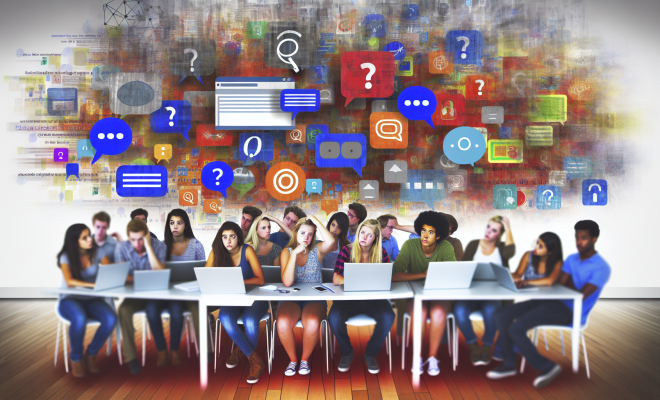
Researchers at Stanford University recently published findings that showcase a troubling gap in students’ skills in judging the credibility of online information. The study highlighted that students often fall victim to misinformation and unreliable content due to their inability to critically assess sources. This is particularly concerning given the rise of AI-generated content, which has started to dominate search results.
The AI Influence on Information Consumption
Currently, studies indicate that AI overviews are triggered by 58% of question-based queries. This means students are increasingly relying on AI summaries without understanding the importance of verifying their accuracy. The ease of obtaining instant responses from AI systems creates a false sense of security, leading to a lack of due diligence in evaluating sources.
The Perfect Storm: Misinformation and Academic Integrity
This research reveals a perfect storm of concern surrounding online information credibility. On one hand, students lack the necessary skills to judge credibility, while on the other, they are inundated with AI-generated information that may not always be accurate. This dual challenge raises urgent questions about the spread of misinformation and the implications for academic integrity.
Understanding the Stakes
The stakes are incredibly high. As misinformation proliferates across social media platforms and various online channels, students are at risk of being manipulated by deepfakes, conspiracy theories, and misleading data. This vulnerability threatens not only their academic success but also their ability to engage responsibly in society.
Why Does This Matter? The Emotional Resonance
Parents and educators alike are expressing concern over these findings, recognizing that an entire generation may be unprepared to navigate the complexities of the digital world. The emotional weight of this issue resonates deeply, as it evokes fears regarding the ability of young individuals to make informed decisions and protect themselves from harmful misinformation.
The Role of Education in Enhancing Digital Literacy
The findings from Stanford call for a reevaluation of educational strategies. It’s crucial for schools to incorporate digital literacy into their curriculums actively. Educators must teach students how to discern reliable sources, understand biases, and evaluate the credibility of online information more effectively.
Practical Strategies for Assessing Online Information Credibility
To combat the challenges posed by misinformation and enhance digital literacy among students, several practical strategies can be implemented:
- Teach the CRAAP Test: This acronym stands for Currency, Relevance, Authority, Accuracy, and Purpose. Educators can use this framework to guide students in assessing the credibility of online sources.
- Encourage Critical Thinking: Foster a classroom environment that promotes questioning and critical analysis of information. Encourage students to ask who created the content, why it was created, and whether it aligns with other known facts.
- Utilize Real-World Examples: Incorporate real-world scenarios where misinformation had tangible consequences. This will help students understand the importance of verifying facts and scrutinizing sources.
- Incorporate AI Literacy: As AI becomes more prevalent, teaching students about its capabilities and limitations can empower them to use it responsibly. Understanding how AI generates information will help them approach AI-sourced content with a critical mindset.
- Promote Collaboration: Encourage collaborative projects where students can work together to research and evaluate online information sources. This not only builds teamwork skills but also allows them to learn from one another.
The Future of Information Literacy
The research findings from Stanford are not just a warning sign; they serve as a call to action for educators, parents, and policymakers. As we move further into an era defined by technology and AI, we must prioritize fostering the ability to evaluate online information credibility. By equipping students with the skills they need to navigate this digital landscape, we can help ensure that they are prepared to engage as informed, responsible citizens.
Conclusion: A Collective Responsibility
The implications of the Stanford research extend beyond the classroom. It is a collective responsibility to enhance digital literacy and equip the next generation with the tools they need to thrive in an information-rich world. By addressing the urgent need for skills in assessing online information credibility, we can mitigate the risks posed by misinformation and promote a healthier digital ecosystem.
As we continue to face an evolving digital landscape, the importance of educating students about the nuances of online information credibility cannot be overstated. The future of informed decision-making lies in our hands, and we must act now to prepare the leaders of tomorrow.