Noctourism: The Premier Travel Trend of 2026
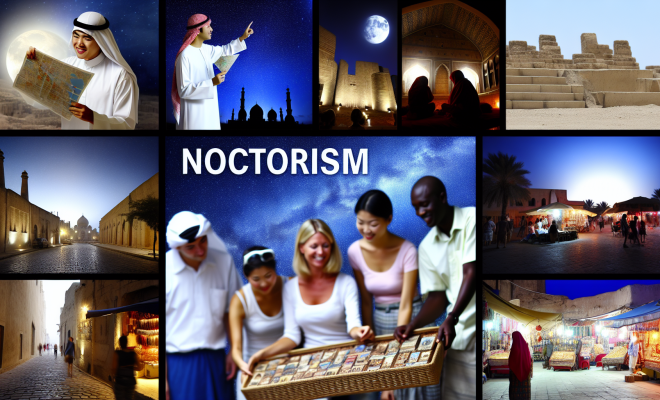
As we traverse through 2026, a new trend is illuminating the travel industry: Noctourism. This burgeoning phenomenon is not just a passing fad; it has become the world’s most profitable travel trend, reshaping the way travelers experience destinations after the sun goes down.
What is Noctourism?
Noctourism refers to travel experiences that take place during the night. This includes a variety of activities such as stargazing in pristine dark-sky reserves, exploring vibrant night markets, and embarking on thrilling nocturnal wildlife tours. It caters to a growing demographic of travelers who are eager to explore unique, less crowded adventures that often provide a different perspective of popular destinations.
The Driving Forces Behind Noctourism
Several factors have contributed to the rise of noctourism. First and foremost, travelers are increasingly seeking exclusive experiences that set them apart from the typical tourist crowd. Nighttime activities often allow for a more intimate connection with the environment and culture of a destination.
- Unique Experiences: Nighttime activities often feel more magical and less commercialized.
- Less Crowded: Popular attractions are less saturated with tourists, allowing for a more personal experience.
- Boost to Local Economies: Extended stays and premium bookings contribute significantly to local economies.
Moreover, the shift towards noctourism has been amplified by the rise of social media, where travelers share stunning nighttime photographs and stories that inspire others to explore these opportunities.
Economic Impact of Noctourism
The economic implications of noctourism are profound. Industry experts have reported that nocturnal tourism can yield profit margins up to 40% higher than traditional daytime tourism. This is due to several factors:
- Specialized Offerings: Many operators focus on unique nighttime experiences that command higher prices.
- Lower Operational Costs: Many businesses can operate more efficiently during off-peak hours.
- Extended Stays: Visitors are likely to stay longer in destinations that offer compelling nocturnal activities.
This not only benefits the businesses but also enhances the overall economic landscape of tourist areas, allowing them to thrive in a competitive market.
Key Destinations for Noctourism
Some destinations have emerged as leaders in the noctourism movement, particularly those that offer exceptional nighttime experiences:
1. Dark-Sky Reserves
Regions like Chile and New Zealand have established themselves as prime locations for stargazing. These dark-sky reserves are specifically designated areas where artificial light is minimized, providing unparalleled views of the night sky. Visitors can participate in guided stargazing tours, astrophotography workshops, and educational programs about astronomy.
2. Night Markets
In many Asian countries, night markets are a cultural staple. Places like Taipei and Bangkok offer bustling markets filled with street food, local crafts, and vibrant nightlife. These markets not only provide a unique shopping experience but also create a lively atmosphere that attracts visitors well into the evening.
3. Nocturnal Wildlife Tours
Many wildlife enthusiasts are turning their attention to nocturnal tours, where they can observe animals in their natural habitats after dark. Destinations such as the Amazon Rainforest and various national parks around the world offer guided nighttime excursions that allow travelers to witness the behaviors of creatures that are rarely seen during the day.
Challenges and Considerations
While the rise of noctourism presents exciting opportunities, it also brings challenges that need to be addressed. Ensuring safety, managing light pollution, and protecting wildlife habitats are critical considerations for sustainable nocturnal experiences.
- Safety: As activities take place at night, ensuring visitor safety is paramount. This includes well-trained guides and adequate transportation.
- Light Pollution: While dark-sky reserves aim to minimize artificial light, the influx of noctourism can create additional challenges in managing light pollution.
- Wildlife Protection: It’s crucial to conduct nocturnal tours in a manner that does not disturb local wildlife.
Addressing these challenges will be essential for the long-term sustainability of noctourism.
Conclusion
Noctourism has quickly established itself as a major player in the travel industry, providing travelers with unique experiences that are both profitable for local economies and enriching for visitors. As we move further into 2026, the allure of nighttime adventures will likely continue to grow, inviting more people to experience the wonders that come alive after dark.
Whether you find yourself stargazing in the Chilean desert, wandering through a vibrant night market in Southeast Asia, or embarking on a nocturnal wildlife adventure, the possibilities for exploration are infinite. Embrace the night, and let it guide you to new and exciting horizons in your travels.