Navigating Mental Health Crises in Schools: A Case Study from Lake County
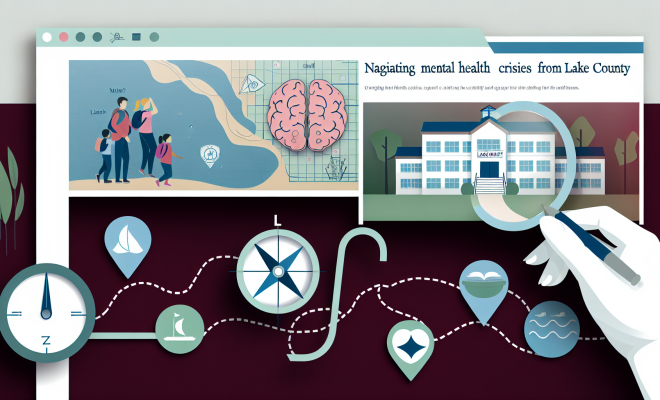
On April 23, 2026, a substitute teacher in Lake County, Florida, experienced a significant mental health episode during class, shedding light on the challenges faced by educational institutions in managing such crises. This incident has sparked interest not only from the local community but also from mental health advocates and educators across the nation. As schools increasingly focus on the mental well-being of both students and staff, understanding the implications of such episodes becomes crucial.
The Incident: A Breakdown in the Classroom
The alarming event occurred in a classroom setting where the substitute teacher was responsible for overseeing students. Reports indicate that the teacher displayed signs of distress, which escalated to a point that required intervention. Eyewitness accounts from students and staff describe a tense atmosphere as the situation unfolded, prompting immediate response measures.
Immediate Response
Upon recognizing that the substitute teacher was in crisis, school staff acted swiftly to ensure the safety of the students and the teacher. Emergency protocols were activated, and local authorities were notified. This quick response is indicative of the training educators receive to handle mental health emergencies, emphasizing the importance of having a plan in place for such unpredictable situations.
Understanding Mental Health Episodes in Educational Settings
Mental health episodes can manifest in various forms, including anxiety attacks, severe depression, or emotional breakdowns, and can affect individuals of any profession, including educators. The occurrence of such incidents in educational environments raises critical questions about the support systems available for staff and how schools can create a more conducive atmosphere for mental health discussions.
Statistics on Mental Health in Education
While specific statistics related to this incident are not available, national trends indicate that mental health issues are prevalent among educators. According to the National Education Association (NEA), nearly 40% of teachers report experiencing significant stress, with many citing mental health concerns as a reason for leaving the profession. Additionally, the American Psychological Association notes that educators often prioritize their students’ well-being over their own, which can exacerbate existing mental health conditions.
The Aftermath: Investigations and Support
In the wake of the incident, school authorities have initiated an investigation to better understand the circumstances surrounding the substitute teacher’s episode. Updates on the teacher’s condition have been provided, although specific details remain private, respecting the individual’s confidentiality.
Support Mechanisms for Teachers
Following a mental health crisis, it is essential for educational institutions to have robust support mechanisms in place. These mechanisms should include:
- Counseling Services: Access to professional mental health counselors can provide immediate support for teachers in distress.
- Peer Support Programs: Encouraging a culture where teachers can share their experiences and support one another can alleviate feelings of isolation.
- Training and Resources: Providing training on mental health awareness and crisis management equips teachers with the tools to identify and respond to mental health issues.
Community Response and Awareness
The Lake County incident has prompted discussions within the community about mental health awareness and support in schools. Parents, educators, and mental health professionals are coming together to advocate for increased resources and training aimed at preventing similar situations in the future.
Calls for Policy Change
Advocates are urging local school boards to prioritize mental health initiatives, which may include:
- Increased Funding: Allocating budgetary resources specifically for mental health programs within schools.
- Policy Development: Creating comprehensive policies that address mental health support for both students and staff.
- Awareness Campaigns: Implementing campaigns that educate the community on mental health issues and reduce stigma associated with seeking help.
Looking Forward: The Importance of Mental Health in Education
The incident in Lake County serves as a poignant reminder of the vulnerabilities that exist within the educational environment. As schools navigate the complexities of mental health, it is imperative to foster a culture of openness and support. The well-being of teachers directly impacts their effectiveness in the classroom, and addressing mental health is not only beneficial for educators but also for students who thrive in a supportive learning environment.
The Role of Educational Leadership
School leaders play a crucial role in shaping the mental health landscape within their institutions. By prioritizing mental health initiatives and creating a supportive culture, educational leaders can empower teachers and staff to seek help when needed without fear of stigma or repercussions. This proactive approach can lead to a healthier work environment and, ultimately, a more positive educational experience for students.
Conclusion
The mental health episode experienced by a substitute teacher in Lake County highlights the critical need for ongoing discussions about mental health in educational settings. As the community rallies around this issue, it is essential to recognize that mental health is a collective responsibility. By working together to create supportive systems and advocating for necessary changes, schools can ensure a safer and more supportive environment for all.
As we move forward, let us remember the importance of compassion, understanding, and proactive measures in addressing mental health in our schools. It is only through awareness and action that we can hope to prevent similar incidents and foster a healthier educational landscape.