Dunnellon Residents File Class Action After Toxic Railroad Tie Fire
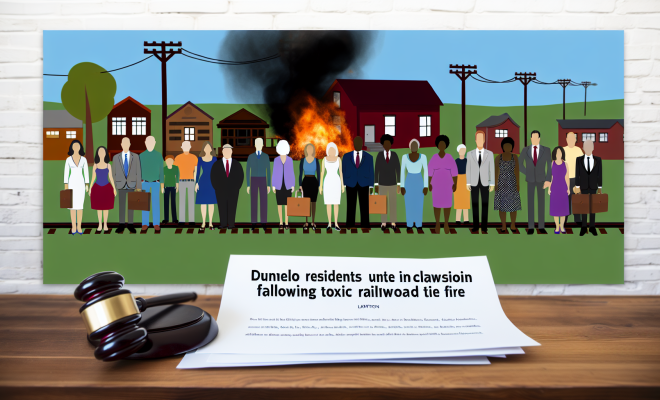
Residents of Dunnellon, Florida, have taken a significant step in seeking justice after a fire involving railroad ties released harmful toxins into the environment. The class-action lawsuit, filed against the responsible company, highlights the dangers posed by the incident and seeks accountability for the health risks faced by the community.
Background of the Incident
On a fateful day in Dunnellon, a large fire erupted involving railroad ties treated with creosote, a toxic chemical used in wood preservation. The blaze generated a plume of smoke that enveloped the area, raising immediate concerns about air quality and the potential health effects on local residents. Creosote contains various hazardous compounds, including polycyclic aromatic hydrocarbons (PAHs), which are known to have serious health implications.
The Impact on Air Quality and Community Health
The fire not only produced acrid smoke but also released toxic substances that could linger in the air long after the flames were extinguished. Residents reported experiencing respiratory issues, skin irritations, and other health problems during and after the fire. The local health department quickly initiated air quality assessments to determine the extent of contamination and its potential impact on the population.
Health Risks Associated with Creosote
Creosote exposure has been linked to a myriad of health concerns, including:
- Respiratory issues: Inhaling smoke from burning creosote can exacerbate conditions like asthma and bronchitis.
- Cancer risk: Long-term exposure to PAHs is associated with an increased risk of developing certain cancers.
- Skin problems: Direct contact with creosote can lead to skin irritations and other dermatological issues.
The lawsuit aims to hold the responsible party accountable for not only the immediate effects of the fire but also the long-term health implications faced by the community.
The Class Action Lawsuit: Key Details
The class-action lawsuit has been initiated to represent all individuals affected by the toxic incident. This legal approach is significant as it allows residents to band together, sharing legal resources and strengthening their claim against the company responsible for the fire. The lawsuit seeks to address several key issues:
- Compensation for health impacts: Residents are seeking damages for medical expenses incurred due to health issues related to exposure.
- Environmental cleanup: The lawsuit demands that the responsible party take immediate action to clean up any remaining toxins in the area.
- Accountability: Residents want to ensure that the company is held accountable for the negligence that led to the fire and subsequent exposure to harmful substances.
Legal experts note that class-action lawsuits can be a powerful tool for communities facing widespread harm, as they amplify the voices of individuals who might otherwise feel powerless against larger corporations.
Community Response and Support
The response from the Dunnellon community has been overwhelmingly supportive of the lawsuit. Town meetings have been held to discuss the implications of the fire and the legal action being taken. Residents are sharing their experiences, reinforcing the collective sentiment that action must be taken to address the aftermath of the fire.
Voices from the Community
Many residents have come forward to express their concerns and support for the lawsuit. One resident, who lives near the site of the fire, stated, “We deserve to live in a safe environment, and this incident has put our health at risk. We need to hold those responsible accountable for their actions.”
Another resident emphasized the need for transparency and communication from the companies involved: “It’s crucial that we know what we’ve been exposed to and what steps are being taken to ensure our safety moving forward.”
The Path Forward
As the lawsuit progresses, the residents of Dunnellon are hopeful for a favorable outcome that not only provides compensation but also enacts change to prevent similar incidents in the future. Legal analysts suggest that the case could set a precedent for how communities deal with environmental hazards and corporate negligence.
Conclusion
The class-action lawsuit filed by Dunnellon residents represents a significant step toward justice and accountability for the toxic railroad tie fire that threatened their health and safety. As the community rallies together, their collective effort underscores the importance of standing up against corporate negligence and advocating for a safer environment.
Moving forward, the outcome of this lawsuit will be closely watched, not just by the residents of Dunnellon, but by communities across the nation facing similar challenges.