Tata Steel & Google Cloud Partner for Agentic AI in 2026
Introduction
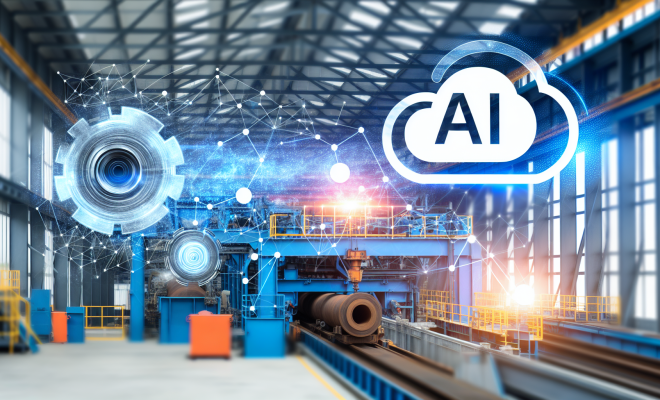
In a landmark development for the industrial manufacturing sector, Tata Steel, a global leader in steel production, has announced a significant expansion of its strategic partnership with Google Cloud. On April 22, 2026, the two companies unveiled plans to implement a unified, enterprise-wide agentic AI strategy across Tata Steel’s global operations. This ambitious initiative aims to revolutionize the steel manufacturing landscape by leveraging advanced artificial intelligence capabilities designed to enhance efficiency, precision, and overall operational performance.
The Evolution of Tata Steel
Tata Steel has a rich history, tracing back to its inception in 1907. Established by the visionary Jamsetji Tata, the company has grown into one of the largest steel manufacturers in the world, with operations spanning across multiple countries and a diverse product portfolio. The firm has consistently embraced innovation and technology as key drivers of growth, making significant investments in modernizing its manufacturing processes.
As the steel industry faces mounting pressures from global competition, environmental regulations, and the demand for sustainable practices, Tata Steel recognizes the need to evolve its operations. The adoption of AI technology represents a critical step in this evolution, offering the potential to streamline processes and enhance decision-making capabilities.
Understanding Agentic AI
Agentic AI refers to advanced artificial intelligence systems capable of autonomous decision-making and actions in real-time. Unlike traditional AI, which often requires human intervention for operational tasks, agentic AI can analyze data, learn from experiences, and execute tasks independently. This technology is particularly relevant in complex environments like manufacturing, where speed and accuracy are paramount.
The deployment of agentic AI can lead to significant improvements in operational efficiency, safety, and cost-effectiveness. By automating routine tasks, these AI agents allow human workers to focus on higher-level strategic activities, fostering a more agile and innovative organizational culture.
The Partnership with Google Cloud
The collaboration between Tata Steel and Google Cloud represents a strategic alignment of two industry leaders committed to innovation. Google Cloud’s robust technology stack provides the necessary infrastructure and tools to develop and deploy AI solutions at scale. This partnership aims to create a comprehensive framework that integrates AI across every facet of Tata Steel’s operations, from supply chain management to production optimization.
Scaling AI Deployment
In just nine months since the partnership’s inception, Tata Steel has successfully implemented over 300 specialized AI agents. This rapid deployment underscores the effectiveness of Google Cloud’s technology and Tata Steel’s commitment to innovation. These AI agents are designed to tackle specific challenges within the manufacturing process, leveraging data analytics and machine learning to improve overall performance.
- Supply Chain Optimization: AI agents monitor inventory levels, predict demand fluctuations, and streamline logistics, ensuring that raw materials and finished products are delivered efficiently.
- Quality Control: AI systems analyze production data in real-time, identifying defects and inconsistencies to ensure product quality meets stringent standards.
- Predictive Maintenance: By utilizing AI-driven analytics, Tata Steel can anticipate equipment failures before they occur, reducing downtime and maintenance costs.
- Energy Management: AI agents optimize energy consumption across manufacturing facilities, contributing to sustainability goals and reducing operational costs.
Architecting the Future of Steel Manufacturing
The integration of AI into Tata Steel’s operations is not just about enhancing efficiency; it is about reshaping the future of the steel manufacturing industry. As Tata Steel continues to innovate, the company is setting a precedent for others in the industry to follow. The deployment of a unified AI strategy is expected to yield numerous benefits, including:
- Increased Productivity: By automating repetitive tasks, Tata Steel can increase output without compromising quality.
- Enhanced Decision Making: With real-time data analysis, management can make informed decisions quickly, adapting to changes in the market or production environment.
- Cost Reduction: Improved operational efficiency leads to lower production costs, allowing Tata Steel to remain competitive in a challenging market.
- Sustainability Initiatives: AI technology plays a crucial role in optimizing resources and minimizing waste, aligning with global sustainability goals.
The Role of Data in AI Implementation
At the heart of Tata Steel’s AI strategy is data. The company has amassed vast amounts of data from its operations, and harnessing this data is essential for the successful implementation of AI solutions. Google Cloud’s advanced data analytics tools enable Tata Steel to process and analyze this information effectively, transforming raw data into actionable insights.
Moreover, the partnership emphasizes the importance of data security and privacy. As Tata Steel collects and processes sensitive information, Google Cloud’s robust security measures ensure that data remains protected against cyber threats, maintaining the trust of stakeholders and customers.
Challenges and Considerations
While the integration of AI presents numerous opportunities, it also comes with challenges. One of the primary concerns is the potential impact on the workforce. As automation becomes more prevalent, there is a fear that jobs may be displaced. However, Tata Steel is committed to addressing this issue through workforce reskilling and upskilling initiatives. The company recognizes that human expertise will continue to play a vital role in the manufacturing process, even as AI takes on more responsibilities.
Moreover, the successful implementation of AI requires a cultural shift within the organization. Employees must be willing to embrace new technologies and adapt to changing workflows. Tata Steel is investing in change management programs to facilitate this transition, ensuring that all employees are engaged and equipped to work alongside AI systems.
Future Prospects and Industry Impact
The successful deployment of a unified agentic AI strategy at Tata Steel could have far-reaching implications for the steel manufacturing industry as a whole. By demonstrating the tangible benefits of AI integration, Tata Steel is paving the way for other companies to adopt similar technologies. This could lead to a broader transformation within the industry, marked by increased competitiveness, innovation, and a focus on sustainability.
Furthermore, as AI technology continues to evolve, Tata Steel’s partnership with Google Cloud positions the company to remain at the forefront of technological advancements. The ability to adapt and innovate will be critical as the industry navigates the challenges of the future.
Conclusion
Tata Steel’s partnership with Google Cloud marks a significant milestone in the evolution of steel manufacturing. By deploying a unified agentic AI strategy across its global operations, Tata Steel is not only enhancing its efficiency and precision but also setting a new standard for the industry. As the company continues to innovate and leverage advanced technology, it is well-positioned to lead the way towards a more sustainable and efficient future in steel production.
As the steel industry grapples with increasing demands for sustainability and efficiency, the lessons learned from Tata Steel’s AI integration will be invaluable. The future of steel manufacturing is being shaped today, with Tata Steel and Google Cloud at the helm of this transformative journey.