Small Messes, Big Impact: Shaping Your Child’s Future Habits
Introduction
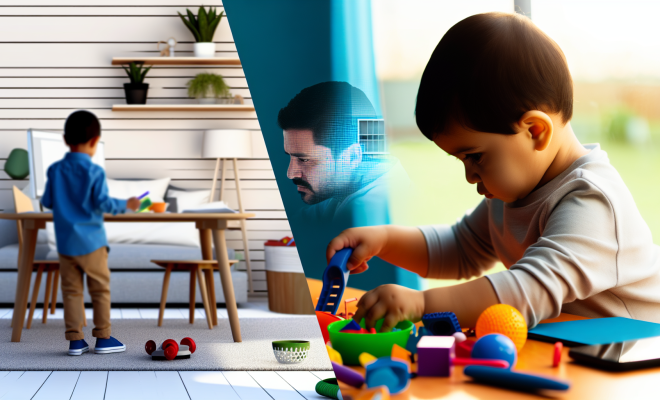
In the realm of parenting, the little things often go unnoticed. A dirty cup left on the desk, a bowl of cereal abandoned on the table, or toys strewn across the floor may seem trivial. However, these seemingly insignificant actions can have a profound impact on a child’s development, influencing their habits and behaviors as they grow. Understanding this connection is crucial for parents who wish to foster responsibility and discipline in their children.
Understanding the Broken Windows Theory
The Broken Windows Theory, a concept originally derived from social psychology and criminology, posits that visible signs of disorder and neglect can lead to more significant problems over time. If minor infractions are overlooked—like a dirty cup left unattended—children may come to accept disorder as the norm. This theory suggests that small acts of negligence can escalate into larger issues of irresponsibility and chaos.
Applying the Theory to Parenting
When parents allow minor messes to accumulate, they inadvertently send a message to their children: that such behaviors are acceptable. The implications of this can extend far beyond a cluttered desk. Over time, these small acts of neglect can contribute to a child’s growing sense of disorganization, procrastination, and lack of discipline.
The Cycle of Disorder
Let’s delve deeper into how this cycle of disorder can manifest in a child’s life:
- Normalization of Chaos: When children see that minor messes are ignored, they may begin to internalize this as a standard way of living. Piling up dirty dishes or leaving clothes on the floor becomes a part of their daily routine.
- Procrastination: The habit of putting off small tasks can lead to a larger tendency to procrastinate in more significant areas, such as homework or responsibilities. When children learn to defer minor chores, they may apply the same logic to more critical tasks.
- Lack of Discipline: A cluttered environment can foster a cluttered mind. Children may struggle to focus on their studies or develop time management skills if their surroundings are chaotic.
Building Habits of Responsibility
So how can parents counteract these tendencies and instill a sense of responsibility in their children? Here are some actionable strategies:
Lead by Example
Children often imitate the behaviors of their parents. By maintaining an organized home and demonstrating responsible habits, parents can set a standard for their children to follow. Simple actions such as putting away your own dishes or keeping a tidy workspace can teach children the importance of responsibility.
Establish Clear Expectations
Communicating clear expectations is essential. Parents should discuss household responsibilities with their children, making it clear that everyone plays a part in maintaining a tidy living space. This conversation can also include the reasoning behind these expectations, helping children understand the value of orderliness.
Encourage Small Tasks
Start with small, manageable tasks to help children build a sense of responsibility. Encourage them to pick up their toys after playing or to bring their dishes to the sink after eating. Over time, these small actions will contribute to a habit of cleanliness and organization.
Positive Reinforcement
Recognizing and praising your child for their efforts in maintaining order can significantly boost their motivation. Positive reinforcement not only encourages them to repeat the behavior but also helps build their self-esteem.
The Long-term Impact of Small Habits
As children grow, the habits they form during their formative years can have lasting effects on their future. Fostering a sense of responsibility and discipline can lead to better academic performance, improved relationships, and greater success in their careers. Here’s how:
Academic Success
Students who learn to manage their responsibilities early on tend to perform better in school. The discipline of keeping their study area organized and completing assignments on time translates directly into academic achievement. A clutter-free environment promotes focus and enhances learning.
Healthy Relationships
Responsibility extends beyond personal habits; it also affects how children interact with others. Those who understand the importance of cleanliness and organization are likely to be more considerate of their peers, leading to healthier friendships and relationships.
Career Readiness
In the professional world, responsibility and organization are critical traits. Employers value employees who can manage their time effectively and maintain a tidy workspace. Teaching children these skills early on can prepare them for future professional success.
Common Pitfalls to Avoid
While instilling responsibility in children is essential, parents should also be aware of common pitfalls that may undermine their efforts:
- Overwhelming Responsibilities: Assigning too many tasks at once can lead to frustration. Start small and gradually increase responsibilities as children become more comfortable with them.
- Inconsistent Enforcement: Consistency is key. If parents occasionally ignore messes or responsibilities, children may become confused about expectations.
- Lack of Patience: Developing habits takes time. Parents should be patient and understand that mistakes will happen along the way.
Conclusion
The small actions of our children, such as leaving a dirty cup on the desk, can hold more significance than we might initially realize. By understanding the implications of the Broken Windows Theory in the context of parenting, we can take proactive steps to instill habits of responsibility and discipline in our children. Through leading by example, establishing clear expectations, and encouraging small tasks, parents can help their children build a strong foundation for their future. Ultimately, these small actions can lead to significant changes, shaping responsible, successful adults.