Humanoid Robot Breaks Half-Marathon Record in Beijing: A Leap Forward for Robotics
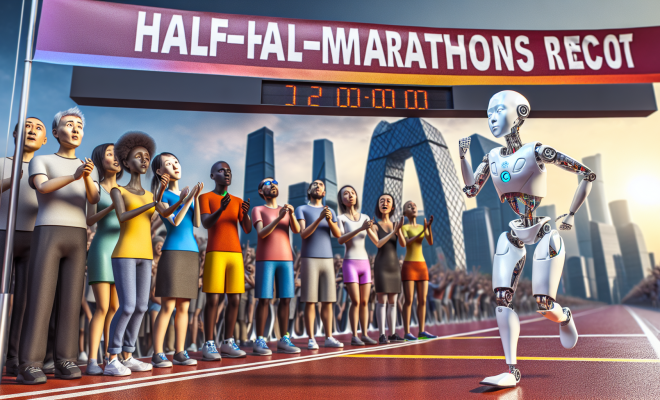
On April 19, 2026, history was made in Beijing as a humanoid robot triumphed in a half-marathon, eclipsing the long-standing human world record. This extraordinary event marked not just a victory for robotics but also underscored China’s rapid advancements in technology and innovation. The race, which spanned 21.1 kilometers, showcased the capabilities of autonomous robots, setting a new benchmark in the realm of athletic performance.
The Race: A New Era in Robotics
The half-marathon in Beijing drew attention from around the world, not merely for the competition between human athletes but for the unprecedented participation of humanoid robots. The event was significant for its dual categories: autonomous robots and remotely-controlled robots. The winning autonomous robot completed the race in record time, demonstrating remarkable independent navigation and decision-making capabilities.
Details of the Event
The race was held in ideal conditions, with clear skies and a moderate temperature, providing a perfect backdrop for both human and robotic competitors. Participants included elite human athletes alongside various robotic entries, each designed to test the limits of technology in sports.
While the first robot to cross the finish line was a remotely-controlled entry from the tech company Honor, finishing in an impressive 48 minutes and 19 seconds, it was the autonomous robot that stole the spotlight. The autonomous entry, which navigated the course without human intervention, was recognized as the true champion according to the event’s weighted scoring rules. This distinction highlighted the advancements in autonomous technology, emphasizing the difference between a machine that can be operated remotely and one that can function independently.
Technological Advancements Behind the Victory
The success of the humanoid robot can be attributed to several key technological advancements. These innovations not only enhanced the robot’s performance during the race but also showcased the potential for future applications in various fields.
Autonomous Navigation
The autonomous robot utilized sophisticated algorithms that allowed it to navigate the course effectively. Through a combination of computer vision, sensors, and machine learning, the robot could assess its environment, make real-time decisions, and adapt to changing conditions on the course.
- Computer Vision: The robot was equipped with high-resolution cameras that enabled it to detect obstacles, track the race route, and maintain its orientation.
- Sensor Technology: A suite of sensors, including LiDAR and ultrasonic sensors, provided the robot with data about its surroundings, enhancing its spatial awareness.
- Machine Learning: The robot’s ability to learn from its surroundings and previous experiences allowed it to optimize its running strategy throughout the race.
Robotics Engineering and Design
The humanoid robot’s design played a crucial role in its performance. Engineers focused on creating a lightweight yet durable structure that could withstand the rigors of a long-distance race. Key features included:
- Biomechanical Design: The robot’s limbs were designed to mimic human biomechanics, allowing for efficient movement and reduced energy expenditure.
- Advanced Actuators: High-performance actuators provided the necessary speed and agility, enabling the robot to maintain a competitive pace.
- Energy Efficiency: The robot was powered by a state-of-the-art battery system, allowing for extended operation without the need for recharging.
Implications for the Future of Robotics
The implications of this event extend far beyond the realm of competitive sports. The success of the humanoid robot in the half-marathon raises pertinent questions about the future of robotics in various sectors, including healthcare, manufacturing, and everyday life.
Healthcare Applications
One potential area of impact is healthcare. Autonomous robots could be employed in hospitals for tasks such as patient monitoring, assistance in surgeries, and even rehabilitation. The advancements in navigation and decision-making displayed during the race suggest that such robots could effectively navigate complex environments like hospitals.
Manufacturing and Industry
In manufacturing, autonomous robots could revolutionize production lines, enhancing efficiency and reducing the need for human intervention in dangerous or monotonous tasks. The ability of robots to work independently could lead to increased productivity and safety in industrial settings.
Everyday Life
As technology continues to evolve, the integration of autonomous robots into daily life becomes more plausible. These robots could assist with household tasks, providing support for the elderly or disabled, and improving quality of life for many.
Challenges and Considerations
Despite the remarkable advancements exemplified by the humanoid robot’s victory, several challenges remain in the field of robotics. Addressing these challenges is crucial as we move toward a future increasingly populated by autonomous machines.
Ethical Considerations
The rise of autonomous robots raises important ethical questions. As machines become capable of performing tasks traditionally carried out by humans, society must consider the implications of job displacement and the moral responsibilities of developers and users of such technology.
Technological Limitations
While the recent race showcased impressive capabilities, there are still limitations to current robotic technologies. Issues such as battery life, sensor accuracy, and environmental adaptability must be addressed to ensure that robots can perform reliably in various conditions.
Regulatory Challenges
As autonomous robots become more prevalent, regulatory frameworks will need to evolve to manage their integration into society. Establishing guidelines for safety, accountability, and operational standards will be critical in fostering public trust in robotics.
Conclusion: A Milestone for Robotics
The victory of the humanoid robot in the Beijing half-marathon represents a significant milestone in the field of robotics. It not only highlights the impressive technological advancements achieved by Chinese engineers and researchers but also sets the stage for future developments in autonomous technology. As we continue to push the boundaries of what robots can achieve, it is clear that the future holds exciting possibilities.
As we reflect on this historic event, it is essential to embrace the opportunities while remaining vigilant about the challenges that lie ahead. The integration of robotics into our daily lives has the potential to enhance human capabilities and improve our quality of life, provided we navigate the journey thoughtfully and responsibly.