
Space Solar Powers NATO’s Energy Sovereignty Initiative
Introduction
As the world grapples with increasing geopolitical tensions, nations are turning their gaze toward the stars, not just for exploration but for solutions to pressing energy needs. In a significant move, Space Solar has joined the NATO Accelerator program, a strategic initiative aimed at developing large-scale space infrastructure and reliable orbital energy solutions. This partnership underscores the growing intersection of space technology and military strategy, particularly in the context of enhancing energy sovereignty.
The Growing Need for Energy Sovereignty
Energy sovereignty has become a critical component of national security strategies across the globe. Countries that rely heavily on imported energy sources are vulnerable to supply disruptions due to geopolitical conflicts, economic sanctions, or natural disasters. This vulnerability has prompted NATO and its allies to explore innovative solutions to ensure energy independence.
Understanding Energy Sovereignty
At its core, energy sovereignty refers to a nation’s ability to control its energy resources, production, and distribution. It encompasses not only the availability of energy sources but also the technological infrastructure required to harness and utilize them effectively. In an era where renewable energy sources are gaining traction, the concept of energy sovereignty has evolved to include advanced technologies such as space-based solar power.
The NATO Accelerator Program
The NATO Accelerator program is designed to foster collaboration among member nations to address emerging security challenges through innovative solutions. By leveraging the expertise of private companies, research institutions, and military organizations, the program aims to accelerate the development of technologies that can enhance NATO’s operational capabilities.
Goals of the Program
- Innovation: Encourage the development of cutting-edge technologies that can be rapidly deployed to support NATO’s missions.
- Collaboration: Foster partnerships between public and private sectors to drive technological advancements.
- Security: Enhance the security of energy supplies and reduce reliance on potentially hostile nations.
- Sustainability: Promote renewable energy solutions that align with NATO’s environmental goals.
Space Solar’s Impact on Energy Infrastructure
Joining the NATO Accelerator program is a pivotal moment for Space Solar, a company focused on harnessing solar energy from space. This innovative approach has the potential to revolutionize energy production and distribution, making it a key player in the push for energy sovereignty.
How Space Solar Works
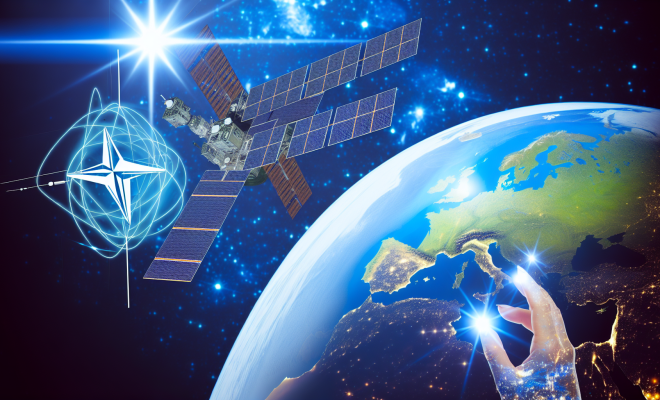
Space Solar technology involves collecting solar energy in space using large satellites equipped with photovoltaic cells. These satellites convert sunlight into electricity, which can then be beamed back to Earth using microwave or laser technology. The advantages of this approach include:
- Continuous Energy Supply: Unlike terrestrial solar panels, which are limited by weather and daylight, space-based solar panels can capture sunlight 24/7.
- Higher Efficiency: Solar energy in space is more abundant and consistent, leading to higher energy conversion rates.
- Reduced Land Use: Space Solar solutions do not require land on Earth’s surface, minimizing environmental impact.
The Intersection of Technology and Military Strategy
The decision to integrate Space Solar technology into NATO’s strategic framework highlights a broader trend in military strategy: the increasing reliance on advanced technologies to bolster national security. As energy becomes a critical component of military operations, ensuring access to reliable and sustainable energy sources is paramount.
Geopolitical Implications
The collaboration between NATO and Space Solar is not only a technological advancement but also a strategic maneuver in the face of global geopolitical shifts. As countries position themselves to maintain or enhance their power, energy independence will play a crucial role in shaping geopolitical landscapes.
Benefits of Space Solar for NATO and Its Allies
The integration of Space Solar into NATO’s energy strategy presents several benefits for member nations and their allies:
- Enhanced Resilience: By diversifying energy sources and relying on space-based solutions, NATO can reduce its vulnerability to external threats.
- Operational Efficiency: Reliable energy supplies will enable more efficient military operations, particularly in remote or hostile environments.
- Strategic Autonomy: Space Solar technology can provide NATO countries with a degree of energy independence, reducing reliance on potentially adversarial nations.
- Collaboration Opportunities: The partnership with Space Solar opens up avenues for collaboration with other countries and private companies in the energy sector.
The Future of Space-Based Energy Solutions
As the initiative progresses, the future of space-based energy solutions looks promising. The ongoing development of Space Solar technology will likely pave the way for a new era of energy production, not just for military applications but also for civilian use.
Potential Applications Beyond Military Use
While the initial focus may be on enhancing NATO’s energy capabilities, the applications of Space Solar technology extend far beyond military use. Some potential applications include:
- Disaster Recovery: In the aftermath of natural disasters, Space Solar systems could provide rapid energy solutions to affected areas.
- Remote Communities: Off-grid communities could benefit from space-based solar energy, providing them with a reliable power source.
- Global Energy Markets: As technology matures, Space Solar could become a player in global energy markets, offering clean energy solutions worldwide.
Challenges Ahead
Despite the potential benefits, several challenges must be addressed for Space Solar technology to reach its full potential:
- Technical Feasibility: Developing the technology to efficiently transmit energy from space to Earth remains a significant challenge.
- Cost: Initial investments in space-based solar infrastructure could be substantial, requiring collaboration between governments and private entities.
- Regulatory Hurdles: Navigating international regulations regarding space and energy transmission will be essential to ensure the long-term viability of Space Solar solutions.
Conclusion
The integration of Space Solar into NATO’s Accelerator program signifies a transformative step towards achieving energy sovereignty and enhancing military capabilities amid rising geopolitical tensions. As nations continue to explore innovative solutions to energy challenges, the partnership with Space Solar represents a beacon of hope for a sustainable and secure energy future.
As we look to the stars, the promise of harnessing solar energy from space may not only redefine our energy landscape but also reshape the very foundations of national security and international collaboration.

