40% of Moms Face Parental Burnout in 2026: A Post-Pandemic Crisis
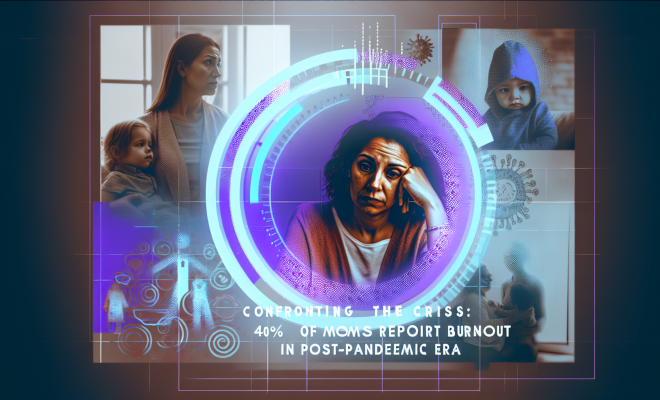
Amid the ongoing challenges of parenting in a post-pandemic world, a recent survey by the Global Parenting Institute has unearthed alarming statistics regarding parental burnout. Released just yesterday, the survey reveals that a staggering 40% of mothers reported experiencing symptoms of burnout in 2026, a significant increase from 28% pre-pandemic. This data, based on responses from 10,000 parents across 15 countries, underscores the growing pressures parents face today.
The Impact of Hybrid Work Demands
One of the primary factors contributing to the rise in parental burnout is the shift to hybrid work environments. As many parents juggle both professional responsibilities and childcare, the balancing act has become increasingly challenging. The survey highlights that the demands of remote work, combined with parenting duties, have left many mothers feeling overwhelmed.
Dr. Mark Rivera, a psychologist and expert in parental mental health, suggests that the blurred lines between work and home life can lead to significant stress. “Parents are expected to be productive at work while also being attentive caregivers. This dual responsibility without adequate support is a recipe for exhaustion,” he explains.
The Childcare Crunch
Another critical issue affecting parents is the lack of affordable childcare options. The pandemic exacerbated existing challenges, leading to a shortage of reliable childcare services. As parents return to the workforce, many find themselves without the necessary support to care for their children, further intensifying feelings of burnout.
- Increased Childcare Costs: Many families are facing skyrocketing childcare expenses, which can consume a significant portion of their income.
- Limited Availability: The pandemic has left many childcare facilities closed or operating at reduced capacity, creating a bottleneck in available options.
- Quality of Care: Parents are often left with difficult choices, having to compromise on the quality of care due to financial constraints.
Single Parents Struggle More
The survey also highlights a startling disparity among different parenting demographics. Single parents are reported to be twice as likely to experience severe stress compared to their coupled counterparts. The demands of solo parenting, combined with financial pressures and limited support systems, create an environment ripe for burnout.
Experts suggest that single parents often lack the community support that can help alleviate some of the pressures they face. Dr. Rivera emphasizes the importance of building community support networks. “Single parents need access to resources, social connections, and childcare assistance to help mitigate their stress levels,” he states.
Child Behavioral Issues on the Rise
The ramifications of parental burnout extend beyond the individual, impacting children as well. The survey indicates a concerning 15% increase in child behavioral issues linked to parental fatigue. As parents struggle to manage their own stress, they may find it increasingly difficult to provide the emotional and mental support their children require.
Behavioral issues stemming from parental burnout can manifest in various ways, including:
- Increased Aggression: Children may exhibit aggressive behaviors towards peers or siblings as a response to their parents’ stress.
- Emotional Dysregulation: Children may struggle with managing their emotions, leading to outbursts or withdrawal.
- Academic Challenges: A stressed parent may have less capacity to assist with homework or engage in educational activities, impacting a child’s academic performance.
Addressing the Crisis
To combat the rise in parental burnout, experts are calling for significant policy changes and community initiatives. These could include:
- Enhanced Childcare Subsidies: Providing financial assistance to families can help alleviate the burden of childcare costs.
- Flexible Work Policies: Encouraging organizations to adopt more flexible work arrangements can help parents better manage their responsibilities.
- Community Support Programs: Initiatives aimed at connecting parents with resources and peer support can foster a sense of community.
As society navigates the aftermath of the pandemic, it is crucial to prioritize the mental health and well-being of parents. By acknowledging the rising rates of parental burnout and addressing the systemic issues contributing to this crisis, we can create a more supportive environment for families. The call to action is clear: it is time to invest in the well-being of parents to ensure healthier, happier children.