Pentagon Closes Media Offices After 2026 Court Ruling
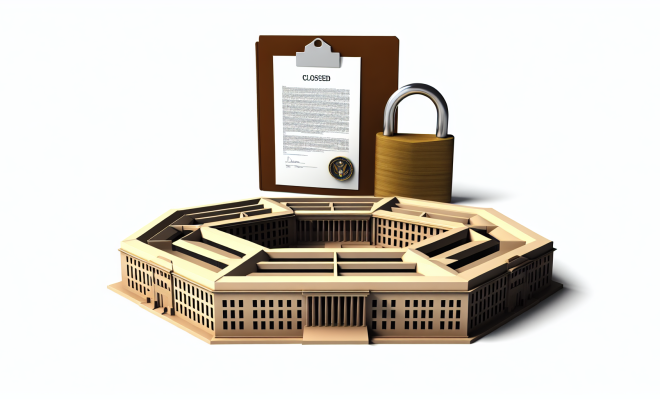
In a significant turn of events, the U.S. Defense Department announced on March 31, 2026, its decision to eliminate the ‘Correspondents’ Corridor’ media offices located within the Pentagon. This announcement comes in the wake of a federal judge’s ruling that reinstated press credentials for seven journalists from The New York Times, raising critical questions regarding media access and government transparency.
Background of the Case
The ruling by U.S. District Judge Paul Friedman has been characterized as a landmark decision, highlighting issues of viewpoint discrimination in the Pentagon’s credentialing process. The judge found that the Pentagon’s new policy, instituted under Defense Secretary Pete Hegseth, unfairly targeted ‘disfavored journalists’ while favoring those outlets supportive of the administration. This controversy is rooted in a December lawsuit filed by The New York Times, which challenged the restrictions placed on reporters’ access, particularly during a tumultuous period in President Donald Trump’s administration.
Details of the Judge’s Ruling
Judge Friedman’s ruling emphasized the importance of a free press in a democratic society, stating that the new credentialing policy violated the First Amendment rights of the journalists involved. The case was closely watched, not only for its implications on media access to military and defense-related information but also for its broader impact on journalistic freedom in the United States.
Pentagon’s Response
In response to this decision, the Pentagon expressed its disagreement and announced plans to appeal the ruling. Officials argue that the closure of the media offices is a necessary step in light of the judge’s findings, suggesting that the move is intended to reassess how the Department of Defense manages media relations. The Pentagon’s spokesperson stated that they are committed to ensuring that all journalists have fair access to information while maintaining security protocols.
Implications of the Closure
The closure of the Correspondents’ Corridor raises important questions about the future of media access within the Pentagon. Journalists have relied on this dedicated space to facilitate communication with military officials and access critical information pertinent to national security and defense policy. The decision to close these media offices could significantly hinder the ability of journalists to cover military affairs comprehensively.
Potential Consequences for Journalists
- Increased Barriers to Access: The elimination of the Correspondents’ Corridor may lead to heightened barriers for journalists seeking information, limiting their ability to report on defense-related matters effectively.
- Impact on Investigative Reporting: Investigative journalists often rely on direct access to officials. The closure could stifle important stories that require in-person interviews and timely information.
- Public Perception of Government Transparency: This move may exacerbate concerns about government transparency and accountability, particularly in military operations and foreign affairs.
Media Freedom at a Crossroads
The Pentagon’s actions highlight a critical juncture for media freedom in the United States. As government relations with the press evolve, the balance between national security and the public’s right to know becomes increasingly precarious. The legal implications of Judge Friedman’s ruling may set a precedent for how federal agencies manage media access moving forward.
Looking Ahead
The upcoming appeal by the Pentagon is likely to attract considerable public and media attention. Legal experts suggest that the outcome of this case could influence not only military reporting but also the relationship between federal agencies and the press at large. As the appeal unfolds, the implications for press freedom, journalistic integrity, and government accountability will be critical areas to watch.
Conclusion
The Pentagon’s decision to close the Correspondents’ Corridor underscores the ongoing tensions between government entities and the media. As Judge Friedman’s ruling paves the way for a renewed discussion on press access, it serves as a reminder of the essential role that journalism plays in a democratic society. The future of media relations at the Pentagon and beyond remains uncertain, but the need for transparency and accountability in government remains paramount.