The Edvocate

Top Menu

Main Menu

  • Start Here
    • Our Brands
    • Governance
      • Lynch Education Consulting, LLC.
      • Dr. Lynch’s Personal Website
      • Careers
    • Write For Us
    • Books
    • The Tech Edvocate Product Guide
    • Contact Us
    • The Edvocate Podcast
    • Edupedia
    • Pedagogue
    • Terms and Conditions
    • Privacy Policy
  • PreK-12
    • Assessment
    • Assistive Technology
    • Best PreK-12 Schools in America
    • Child Development
    • Classroom Management
    • Early Childhood
    • EdTech & Innovation
    • Education Leadership
    • Equity
    • First Year Teachers
    • Gifted and Talented Education
    • Special Education
    • Parental Involvement
    • Policy & Reform
    • Teachers
  • Higher Ed
    • Best Colleges and Universities
    • Best College and University Programs
    • HBCU’s
    • Diversity
    • Higher Education EdTech
    • Higher Education
    • International Education
  • Advertise
  • The Tech Edvocate Awards
    • The Awards Process
    • Finalists and Winners of The 2026 Tech Edvocate Awards
    • Finalists and Winners of The 2025 Tech Edvocate Awards
    • Finalists and Winners of The 2024 Tech Edvocate Awards
    • Finalists and Winners of The 2023 Tech Edvocate Awards
    • Finalists and Winners of The 2021 Tech Edvocate Awards
    • Finalists and Winners of The 2022 Tech Edvocate Awards
    • Finalists and Winners of The 2020 Tech Edvocate Awards
    • Finalists and Winners of The 2019 Tech Edvocate Awards
    • Finalists and Winners of The 2018 Tech Edvocate Awards
    • Finalists and Winners of The 2017 Tech Edvocate Awards
    • Award Seals
  • Apps
    • GPA Calculator for College
    • GPA Calculator for High School
    • Cumulative GPA Calculator
    • Grade Calculator
    • Weighted Grade Calculator
    • Final Grade Calculator
  • The Tech Edvocate
  • Post a Job
  • AI Powered Personal Tutor

logo

The Edvocate

  • Start Here
    • Our Brands
    • Governance
      • Lynch Education Consulting, LLC.
      • Dr. Lynch’s Personal Website
        • My Speaking Page
      • Careers
    • Write For Us
    • Books
    • The Tech Edvocate Product Guide
    • Contact Us
    • The Edvocate Podcast
    • Edupedia
    • Pedagogue
    • Terms and Conditions
    • Privacy Policy
  • PreK-12
    • Assessment
    • Assistive Technology
    • Best PreK-12 Schools in America
    • Child Development
    • Classroom Management
    • Early Childhood
    • EdTech & Innovation
    • Education Leadership
    • Equity
    • First Year Teachers
    • Gifted and Talented Education
    • Special Education
    • Parental Involvement
    • Policy & Reform
    • Teachers
  • Higher Ed
    • Best Colleges and Universities
    • Best College and University Programs
    • HBCU’s
    • Diversity
    • Higher Education EdTech
    • Higher Education
    • International Education
  • Advertise
  • The Tech Edvocate Awards
    • The Awards Process
    • Finalists and Winners of The 2026 Tech Edvocate Awards
    • Finalists and Winners of The 2025 Tech Edvocate Awards
    • Finalists and Winners of The 2024 Tech Edvocate Awards
    • Finalists and Winners of The 2023 Tech Edvocate Awards
    • Finalists and Winners of The 2021 Tech Edvocate Awards
    • Finalists and Winners of The 2022 Tech Edvocate Awards
    • Finalists and Winners of The 2020 Tech Edvocate Awards
    • Finalists and Winners of The 2019 Tech Edvocate Awards
    • Finalists and Winners of The 2018 Tech Edvocate Awards
    • Finalists and Winners of The 2017 Tech Edvocate Awards
    • Award Seals
  • Apps
    • GPA Calculator for College
    • GPA Calculator for High School
    • Cumulative GPA Calculator
    • Grade Calculator
    • Weighted Grade Calculator
    • Final Grade Calculator
  • The Tech Edvocate
  • Post a Job
  • AI Powered Personal Tutor
  • Making School Lunch a Better and More Relaxing Social Experience

  • Jaw-Dropping Costs: Raising Kids in 2026 Will Break Your Budget — Here’s How to Survive

  • Dramatic Twist: West Virginia Child Abuse Bill Sparks Fierce Parental Rights Battle

  • This One AI Policy Could Be Catastrophic for Your Kid’s Future

  • Warning: Millions Face Skyrocketing Student Loan Payments — Act Now or Pay the Price

  • This Free Science Video and Lesson Plan Explains How Speakers Work

  • Shocking: This Gunslinging 10-Year-Old’s Viral Fame Sparks Fury and Family Feud

  • Urgent: This Eight-Year Study Just Flipped Everything We Thought About Kids’ Screen Time Upside Down

  • Catastrophic: Why Attacks on Education Surged 50% — And What It Means for 93 Million Children

  • The IRS Just Dropped a Bombshell on Private Schools: Your Tax Exemption Is On the Line

Uncategorized
Home›Uncategorized›Pentagon Closes Media Offices After 2026 Court Ruling

Pentagon Closes Media Offices After 2026 Court Ruling
By Matthew Lynch
March 31, 2026
0
Spread the love

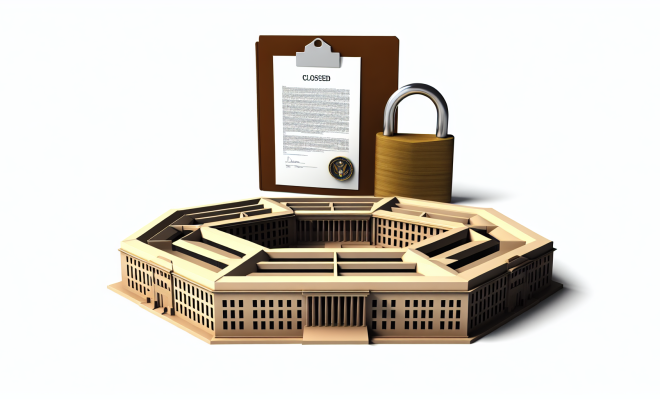
In a significant turn of events, the U.S. Defense Department announced on March 31, 2026, its decision to eliminate the ‘Correspondents’ Corridor’ media offices located within the Pentagon. This announcement comes in the wake of a federal judge’s ruling that reinstated press credentials for seven journalists from The New York Times, raising critical questions regarding media access and government transparency.

Background of the Case

The ruling by U.S. District Judge Paul Friedman has been characterized as a landmark decision, highlighting issues of viewpoint discrimination in the Pentagon’s credentialing process. The judge found that the Pentagon’s new policy, instituted under Defense Secretary Pete Hegseth, unfairly targeted ‘disfavored journalists’ while favoring those outlets supportive of the administration. This controversy is rooted in a December lawsuit filed by The New York Times, which challenged the restrictions placed on reporters’ access, particularly during a tumultuous period in President Donald Trump’s administration.

Details of the Judge’s Ruling

Judge Friedman’s ruling emphasized the importance of a free press in a democratic society, stating that the new credentialing policy violated the First Amendment rights of the journalists involved. The case was closely watched, not only for its implications on media access to military and defense-related information but also for its broader impact on journalistic freedom in the United States.

Pentagon’s Response

In response to this decision, the Pentagon expressed its disagreement and announced plans to appeal the ruling. Officials argue that the closure of the media offices is a necessary step in light of the judge’s findings, suggesting that the move is intended to reassess how the Department of Defense manages media relations. The Pentagon’s spokesperson stated that they are committed to ensuring that all journalists have fair access to information while maintaining security protocols.

Implications of the Closure

The closure of the Correspondents’ Corridor raises important questions about the future of media access within the Pentagon. Journalists have relied on this dedicated space to facilitate communication with military officials and access critical information pertinent to national security and defense policy. The decision to close these media offices could significantly hinder the ability of journalists to cover military affairs comprehensively.

Potential Consequences for Journalists

  • Increased Barriers to Access: The elimination of the Correspondents’ Corridor may lead to heightened barriers for journalists seeking information, limiting their ability to report on defense-related matters effectively.
  • Impact on Investigative Reporting: Investigative journalists often rely on direct access to officials. The closure could stifle important stories that require in-person interviews and timely information.
  • Public Perception of Government Transparency: This move may exacerbate concerns about government transparency and accountability, particularly in military operations and foreign affairs.

Media Freedom at a Crossroads

The Pentagon’s actions highlight a critical juncture for media freedom in the United States. As government relations with the press evolve, the balance between national security and the public’s right to know becomes increasingly precarious. The legal implications of Judge Friedman’s ruling may set a precedent for how federal agencies manage media access moving forward.

Looking Ahead

The upcoming appeal by the Pentagon is likely to attract considerable public and media attention. Legal experts suggest that the outcome of this case could influence not only military reporting but also the relationship between federal agencies and the press at large. As the appeal unfolds, the implications for press freedom, journalistic integrity, and government accountability will be critical areas to watch.

Conclusion

The Pentagon’s decision to close the Correspondents’ Corridor underscores the ongoing tensions between government entities and the media. As Judge Friedman’s ruling paves the way for a renewed discussion on press access, it serves as a reminder of the essential role that journalism plays in a democratic society. The future of media relations at the Pentagon and beyond remains uncertain, but the need for transparency and accountability in government remains paramount.

Previous Article

Washington’s Millionaires Tax Signed into Law: What ...

Next Article

Abortion Pills Surge: States Fight Back Against ...

Matthew Lynch

Related articles More from author

  • Uncategorized

    12 Pre-Writing Activities for Preschoolers

    January 2, 2025
    By Matthew Lynch
  • Uncategorized

    5 Ways SEL Builds Inclusive Classroom Communities

    January 2, 2025
    By Matthew Lynch
  • Uncategorized

    Pragmatics, Semantics & Syntax: Decoding Language

    June 11, 2026
    By Matthew Lynch
  • Uncategorized

    Lex Marie: DMV Artist Sparks National Discipline Debate

    June 17, 2026
    By Matthew Lynch
  • Uncategorized

    SCOTUS & Birthright Citizenship: Education Access at Risk

    March 30, 2026
    By Matthew Lynch
  • Uncategorized

    Send This Home – 9 Signs Kids May Have a Vision Problem

    December 9, 2025
    By Matthew Lynch

Search

Registration and Login

  • Log in
  • Entries feed
  • Comments feed
  • WordPress.org

Newsletter

Signup for The Edvocate Newsletter and have the latest in P-20 education news and opinion delivered to your email address!

RSS feed: Matthew on Education Week Matthew on Education Week

  • Au Revoir from Education Futures November 20, 2018 Matthew Lynch
  • 6 Steps to Data-Driven Literacy Instruction October 17, 2018 Matthew Lynch
  • Four Keys to a Modern IT Approach in K-12 Schools October 2, 2018 Matthew Lynch
  • What's the Difference Between Burnout and Demoralization, and What Can Teachers Do About It? September 27, 2018 Matthew Lynch
  • Revisiting Using Edtech for Bullying and Suicide Prevention September 10, 2018 Matthew Lynch

About Us

The Edvocate was created in 2014 to argue for shifts in education policy and organization in order to enhance the quality of education and the opportunities for learning afforded to P-20 students in America. What we envisage may not be the most straightforward or the most conventional ideas. We call for a relatively radical and certainly quite comprehensive reorganization of America’s P-20 system.

That reorganization, though, and the underlying effort, will have much to do with reviving the American education system, and reviving a national love of learning.  The Edvocate plans to be one of key architects of this revival, as it continues to advocate for education reform, equity, and innovation.

Newsletter

Signup for The Edvocate Newsletter and have the latest in P-20 education news and opinion delivered to your email address!

Contact

The Edvocate
910 Goddin Street
Richmond, VA 23230
(601) 630-5238
[email protected]
  • situs togel online
  • dentoto
  • situs toto 4d
  • situs toto slot
  • toto slot 4d
Copyright (c) 2026 Matthew Lynch. All rights reserved.