Kaiser Mental Health Professionals Strike Over AI Concerns in Northern California
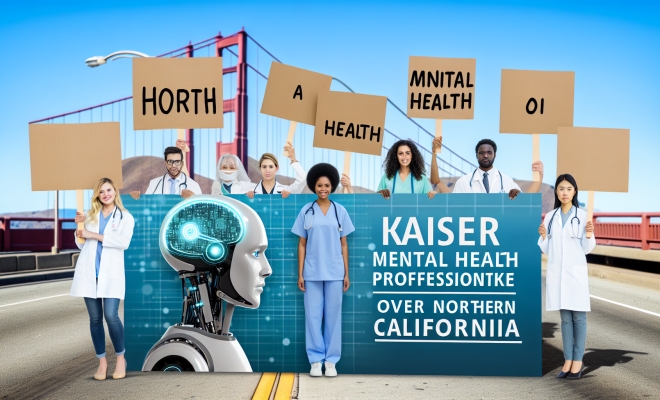
In a significant display of concern over the future of mental health care, approximately 2,400 mental health professionals at Kaiser Permanente participated in a one-day strike on March 18-19, 2026. These professionals, including social workers and psychologists, provide care to an estimated 4.6 million patients across Northern California. Their primary concern revolves around the integration of artificial intelligence (AI) in therapeutic practices, with fears of potential job displacement.
Context of the Strike
The strike received substantial support from over 23,000 nurses affiliated with the California Nurses Association, amplifying the call for greater transparency regarding the role of AI within the healthcare ecosystem. Mental health professionals are advocating for assurance that AI will not replace the vital human connection in therapy but will instead serve as a supportive tool to enhance patient care.
The Role of AI in Mental Health Care
AI technology has made significant inroads into various sectors, including healthcare, where it promises to streamline operations and improve patient access. Kaiser management maintains that AI is intended to assist in practice management rather than replace human therapists. They argue that the implementation of AI tools aims to optimize scheduling, reduce administrative burdens, and ultimately enhance the patient experience.
Management’s Perspective
Kaiser representatives assert that the introduction of AI is a step toward better resource allocation, allowing mental health professionals to focus more on patient care rather than administrative tasks. The organization has also committed to hiring additional mental health workers to meet the growing demand for services. This move aligns with their broader strategy to expand mental health resources and address the mental health crisis exacerbated by the COVID-19 pandemic.
Concerns Among Mental Health Professionals
Despite management’s reassurances, many mental health professionals remain skeptical about AI’s role in their field. The strikers express fears that the reliance on AI could lead to a depersonalization of care, undermining the therapeutic relationships that are essential for effective treatment. The following points encapsulate the primary concerns:
- Job Security: Workers worry that increasing reliance on technology may lead to job cuts and reduced demand for human therapists.
- Quality of Care: Critics fear that AI lacks the empathy and understanding necessary for effective mental health treatment.
- Transparency: There is a call for clearer communication from Kaiser about how AI will be integrated into mental health services.
The Broader Implications for Mental Health Care
The strike at Kaiser is emblematic of a larger debate about the role of technology in healthcare. As mental health care continues to face challenges such as a shortage of providers and increasing patient demand, the introduction of AI is seen by some as a necessary evolution. However, the concerns raised by mental health professionals highlight the need for a balanced approach that prioritizes patient-centered care.
Public Response and Future Outlook
The public’s response to the strike has been largely supportive, with many acknowledging the importance of human interaction in mental health treatment. As discussions continue about the integration of AI in healthcare, stakeholders must consider the implications for both patients and providers. The potential for AI to enhance care exists, but it must not come at the expense of human connection and empathy.
Conclusion
The Kaiser mental health professionals’ strike is a pivotal moment in the ongoing dialogue about the future of mental health care in the age of technology. As AI continues to evolve, it is crucial for healthcare organizations to engage with mental health workers, patients, and the public to ensure that the integration of technology enhances rather than diminishes the quality of care. Striking a balance between innovation and the human touch will be essential for fostering trust and maintaining the integrity of mental health services.