Schools Weren’t Built for Tomorrow’s Leaders

Introduction: The Evolution of Education and Its Challenges
As society rapidly evolves with technological advancements and shifting economic landscapes, the educational system struggles to keep pace. The traditional school model, established decades ago, often fails to equip students with the critical skills and mindsets necessary for leadership in the future. This article explores the disconnect between current educational practices and the demands of tomorrow’s leaders, focusing on outdated teaching methods, curriculum limitations, and the importance of fostering creativity and adaptive skills in students.
Education System: An Outdated Framework for Learning
The conventional education system was designed during the industrial age, emphasizing rote memorization and standardized testing. This framework served its purpose in training individuals for factory jobs and following strict routines. However, the world of work today is vastly different, requiring individuals who can think critically, collaborate effectively, and adapt to change.
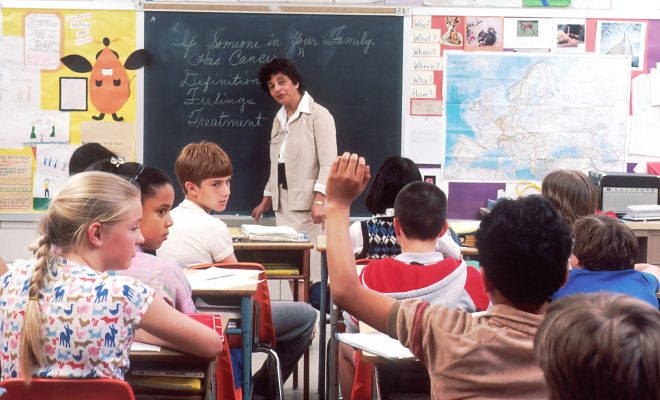
The rigid structure of traditional classrooms often stifles innovative thinking. Students are frequently assessed on their ability to memorize facts rather than their capacity to analyze information and generate creative solutions. This educational approach can lead to a lack of engagement and motivation, as students feel disconnected from the relevance of what they are learning.
Curriculum Limitations: Missing the Mark on Essential Skills
Current school curriculums are often limited in scope, focusing heavily on core subjects such as mathematics, science, and language arts. While these subjects are undeniably important, they do not encompass the full range of skills needed for effective leadership.
Critical skills such as emotional intelligence, problem-solving, and digital literacy are often underrepresented in the curriculum. Emotional intelligence, in particular, is essential for leaders who must navigate complex interpersonal dynamics and inspire others. However, schools frequently prioritize academic performance over social and emotional learning, leaving students ill-prepared for the challenges they will face in the workplace.
Moreover, the rise of technology has transformed many industries, yet schools have been slow to integrate digital literacy into their programs. Students need to be proficient in using technology and understanding its implications to lead effectively in a digital world. Failure to address these curriculum gaps means that students are not fully prepared to thrive in an increasingly tech-driven economy.
Teaching Methods: The Need for Innovation in Instruction
The teaching methods employed in many schools also contribute to the disconnect between education and the skills required for future leadership. Traditional lectures and passive learning experiences do not foster critical thinking or creativity. Instead, educators must embrace innovative instructional strategies that promote active learning and student engagement.
Project-based learning, for example, allows students to collaborate on real-world problems, encouraging them to think critically and work together. This type of learning not only develops essential skills but also fosters a sense of ownership and initiative among students. By working on projects that matter, students can see the relevance of their education and how it applies to their lives and future careers.
Technology Integration: Bridging the Gap Between Learning and Leadership
Integrating technology into the classroom is crucial for preparing students for leadership roles in the future. Digital tools can enhance learning experiences, making them more interactive and engaging. Virtual classrooms, online collaboration tools, and educational software provide opportunities for students to develop tech-savvy skills essential for success in the modern workforce.
Moreover, technology can facilitate personalized learning experiences, allowing students to progress at their own pace. This approach not only helps students master content but also encourages self-directed learning—a key trait of effective leaders. Schools should prioritize the integration of technology into their curriculum to ensure that students are equipped with the skills necessary for a rapidly changing world.
Fostering Creativity: The Heart of Leadership Development
Creativity is often cited as a critical component of effective leadership. Leaders must be able to think outside the box, envision new possibilities, and inspire others to embrace change. However, traditional educational practices often emphasize conformity and adherence to rules, which can stifle creative thinking.
Schools should encourage creativity through arts education, interdisciplinary projects, and open-ended problem-solving activities. By providing students with opportunities to explore their interests and express themselves creatively, schools can help cultivate the innovative mindsets that will drive future leadership.
Real-World Experience: Learning Beyond the Classroom
To truly prepare students for leadership roles, education must extend beyond the confines of the classroom. Real-world experiences, such as internships, community service, and leadership programs, provide students with invaluable opportunities to apply their skills in practical settings.
These experiences help students develop a deeper understanding of their strengths and weaknesses, as well as the challenges they may face as leaders. Schools should prioritize partnerships with local businesses and organizations to create pathways for students to engage with their communities and gain hands-on experience.
Collaboration and Teamwork: Essential Skills for Future Leaders
The ability to collaborate effectively is another essential skill for future leaders. In a world that increasingly values teamwork and collective problem-solving, schools must emphasize the importance of working together.
Group projects, peer-to-peer learning, and collaborative activities can help students develop interpersonal skills and learn how to navigate diverse perspectives. By fostering a culture of collaboration within the classroom, educators can prepare students to lead teams and work effectively in group settings.Leadership Mindset: Cultivating Resilience and Growth
To develop effective leaders, schools must also focus on instilling a leadership mindset characterized by resilience and a commitment to growth. This mindset enables individuals to tackle challenges head-on, learn from failures, and continually strive for improvement. Unfortunately, traditional educational environments often prioritize high-stakes testing and grades, creating a culture where students fear failure rather than viewing it as a learning opportunity.
Educators should encourage a growth mindset by celebrating effort, promoting self-reflection, and emphasizing the importance of perseverance. By creating a safe space for students to take risks and learn from their mistakes, schools can nurture resilient leaders who are equipped to face the uncertainties of the future.
Mentorship Programs: Guiding the Next Generation of Leaders
Another vital element in preparing students for leadership roles is the establishment of mentorship programs. Connecting students with mentors from various fields can provide them with insights, guidance, and valuable networking opportunities. Mentorship allows students to learn from the experiences of others, gain exposure to different career paths, and receive support in developing their leadership skills.
Schools should actively seek to create mentorship opportunities that match students with professionals who can inspire and challenge them. These relationships can foster a sense of belonging and connection, which is instrumental in developing confident, capable leaders.
Global Awareness: Preparing for a Connected World
As the world becomes increasingly interconnected, developing a global perspective is essential for future leaders. Schools must educate students about global issues, cultural diversity, and the interconnectedness of economies and societies. This understanding not only broadens students’ horizons but also equips them to lead in a multicultural environment.
Incorporating global education into the curriculum can be achieved through international partnerships, study abroad programs, and diverse literature that reflects a variety of cultures and viewpoints. By fostering global awareness, schools can prepare students to be compassionate leaders who can navigate complex international challenges.
Feedback and Assessment: Rethinking Evaluation Methods
Traditional assessment methods often fail to capture a student’s true potential, as they primarily focus on memorization and standardized testing. To better prepare students for leadership roles, schools must adopt more holistic evaluation methods that emphasize critical thinking, creativity, and collaboration.
Portfolios, peer reviews, and project-based assessments can provide a more comprehensive view of a student’s abilities and growth. By shifting the focus from grades to learning processes, schools can encourage students to take ownership of their education and develop the essential skills needed for effective leadership.
Community Engagement: Building Stronger Connections
Schools should also prioritize community engagement as a means of preparing students to be effective leaders. By involving students in community service projects and local initiatives, educators can help them develop a sense of social responsibility and an understanding of the impact they can have on their surroundings.
Community engagement fosters empathy and civic awareness, essential traits for leaders who must navigate complex social issues. Schools that actively encourage students to participate in their communities cultivate a sense of belonging and purpose, which can inspire future leaders to make positive contributions to society.
Parental Involvement: A Collaborative Approach to Education
Parental involvement is another crucial factor in fostering future leaders. When parents engage with schools, they create a supportive environment that reinforces the values and skills being taught. Schools should actively seek to include parents in the educational process, whether through volunteering, attending workshops, or participating in decision-making committees.
By fostering strong partnerships between educators and families, schools can create a collaborative approach to education that maximizes student potential. Parents can share their insights and experiences, helping to enrich the curriculum and provide additional support for their children’s leadership development.
Lifelong Learning: Instilling a Commitment to Continuous Improvement
Finally, schools must instill a commitment to lifelong learning in students. The ability to adapt, learn, and grow throughout life is essential for effective leadership. Schools should emphasize that education does not end with graduation but is a continuous journey that requires curiosity and a willingness to embrace new challenges.
By encouraging students to pursue knowledge beyond the classroom and engage in professional development opportunities, schools can prepare them to lead in an ever-evolving world. This commitment to lifelong learning models the very values that future leaders need to possess.
In summary, the current educational landscape often falls short in preparing students for the demands of tomorrow’s leadership roles. By addressing outdated frameworks, expanding curriculums, embracing innovative teaching methods, fostering creativity, and emphasizing real-world experiences, schools can better equip students with the skills and mindsets necessary for effective leadership. The journey towards building tomorrow’s leaders begins with a commitment to transforming education into a more relevant, engaging, and holistic experience.
Conclusion: Preparing for Tomorrow’s Leadership Challenges
In conclusion, the traditional education system is often ill-equipped to nurture the leaders of tomorrow. By rethinking curricula, incorporating experiential learning, fostering creativity, and encouraging lifelong learning, schools can create a more dynamic environment that cultivates essential leadership skills. Ultimately, a commitment to evolving educational practices will empower students to become innovative and resilient leaders in an increasingly complex world.