6 Tricks to Get the Most Out of Your Classroom Volunteers

:
Introduction: Maximizing the Impact of Classroom Volunteers
Classroom volunteers play an essential role in enhancing the educational experience for students. They bring diverse skills, perspectives, and energy into the learning environment, enabling teachers to provide more personalized support and enriching activities. However, managing volunteers effectively requires strategic planning and communication. This article outlines six practical tricks to help educators get the most out of their classroom volunteers, ensuring that both teachers and volunteers have a rewarding experience.
Building Relationships: Establishing Trust and Communication
One of the most critical aspects of managing classroom volunteers is building strong relationships with them. Establishing trust and open lines of communication fosters a collaborative environment. Here are some strategies to enhance relationships with volunteers:
Understand Their Motivations: Take the time to learn why volunteers have chosen to contribute their time and skills. Knowing their motivations can help tailor tasks that align with their interests, making them feel valued and engaged.
Provide Regular Feedback: Volunteers thrive on feedback, just like students. Regularly acknowledge their contributions and provide constructive feedback on how they can improve. This not only boosts their confidence but also encourages them to take on more responsibilities.
Encourage Open Communication: Create an environment where volunteers feel comfortable sharing their ideas, questions, and concerns. Regular check-ins can help identify any challenges they may face, allowing for timely resolutions.
Clear Expectations: Defining Roles and Responsibilities
Clarity is key when it comes to volunteer roles. Volunteers should have a clear understanding of their responsibilities to ensure they contribute effectively to the classroom. Here’s how to set clear expectations:
Create Detailed Role Descriptions: Outline specific tasks and responsibilities for each volunteer position. This can include duties such as assisting with lesson plans, supervising group activities, or managing classroom supplies.
Set Goals and Objectives: Work with volunteers to establish achievable goals for their time in the classroom. This helps them stay focused and provides a sense of accomplishment as they meet these objectives.
Prepare Training Sessions: If necessary, offer training sessions to equip volunteers with the skills and knowledge they need to perform their roles effectively. This investment in their development can increase their confidence and effectiveness.
Variety of Tasks: Offering Diverse Responsibilities
To keep volunteers engaged and motivated, it’s essential to offer a variety of tasks. This can prevent boredom and allow volunteers to utilize their unique skills. Here are some ideas for diverse responsibilities:
Incorporate Guest Speakers: Invite volunteers to share their expertise with students. This can be particularly effective if they have a background in a subject area relevant to the curriculum.
Create Small Group Activities: Assign volunteers to lead small group activities, allowing them to interact closely with students. This can enhance students’ learning experiences and create a more personalized environment.
Facilitate Special Projects: Encourage volunteers to take the lead on special projects, such as organizing a class event, creating a classroom display, or implementing a new educational initiative. This can give them a sense of ownership and responsibility.
Recognition: Acknowledging Contributions
Recognizing the efforts of classroom volunteers is essential for maintaining their enthusiasm and commitment. Here are some effective ways to show appreciation:
Host Volunteer Appreciation Events: Organize events that celebrate the contributions of volunteers. This can be a simple gathering, a breakfast, or a thank-you luncheon, where you can publicly acknowledge their hard work.
Provide Certificates of Appreciation: Create and distribute certificates of appreciation to volunteers. This tangible recognition can be a meaningful keepsake for them to display.
Share Success Stories: Highlight the positive impact volunteers have had on students in newsletters, social media, or school announcements. Showcasing their contributions helps reinforce the value of their work.
Flexibility: Adapting to Changing Needs
Classroom dynamics can change rapidly, and it’s essential for educators to remain flexible in their approach to volunteer management. Here are some strategies for adapting to changing needs:
Be Open to Adjustments: Encourage volunteers to express their preferences regarding tasks. If a volunteer feels overwhelmed or underutilized, be willing to adjust their responsibilities.
Encourage Adaptive Skills: Provide opportunities for volunteers to develop new skills that may be beneficial in their roles. This not only enhances their experience but also enriches the classroom environment.
Solicit Feedback: Regularly ask volunteers for feedback on their roles and tasks. This information can help you make necessary adjustments and improve the overall volunteer experience.Creating a Welcoming Environment: Cultivating Inclusivity and Engagement
Creating a welcoming environment is essential for classroom volunteers to feel comfortable and valued. A sense of belonging can significantly enhance their commitment and effectiveness. Here are tips for fostering inclusivity:
Invite Input in Planning: Involve volunteers in planning classroom activities and events. This can help them feel like active participants rather than just helpers, promoting a sense of ownership and collaboration.
Celebrate Diversity: Recognize and celebrate the diverse backgrounds and experiences of your volunteers. This can include multicultural events or themed days that allow volunteers to share their unique perspectives and skills with students.
Encourage Peer Connections: Facilitate opportunities for volunteers to connect with each other. Organizing team-building activities or informal gatherings can help build camaraderie, making the experience more enjoyable for everyone involved.
Utilizing Technology: Streamlining Communication and Coordination
In today’s digital age, leveraging technology can significantly enhance volunteer coordination and communication. Here are some technological tools that can assist:
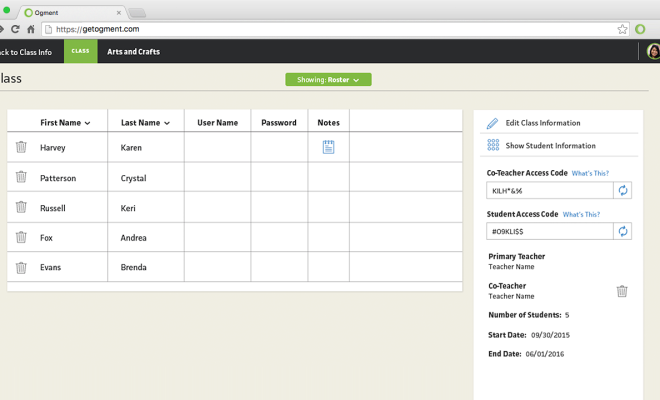
Use Volunteer Management Software: Consider utilizing volunteer management platforms to streamline communication, schedule shifts, and track volunteer hours. These tools can simplify coordination and ensure that everyone is on the same page.
Create a Private Social Media Group: Establish a closed group on social media platforms where volunteers can share updates, ideas, and experiences. This encourages ongoing communication and fosters a sense of community.
Send Regular Newsletters: Keep volunteers informed about upcoming events, classroom activities, and important updates through regular newsletters. This can enhance their connection to the classroom and keep them engaged.
Encouraging Leadership: Empowering Volunteers to Take Initiative
Empowering volunteers to take initiative can lead to increased engagement and satisfaction. Here are ways to encourage leadership among volunteers:
Delegate Responsibilities: Allow volunteers to take on leadership roles within their specific tasks. For example, a volunteer could lead a reading group or coordinate a project, giving them a chance to take ownership of their contributions.
Establish Mentorship Opportunities: Encourage experienced volunteers to mentor new volunteers. This not only builds relationships but allows for the sharing of knowledge and best practices, enhancing the overall experience.
Recognize Leadership Growth: Acknowledge and celebrate when volunteers step into leadership roles or take initiative. Highlight their achievements in newsletters or during meetings, reinforcing the positive impact of their leadership.
Creating a Feedback Loop: Continuous Improvement and Adaptation
Establishing a feedback loop is crucial for the ongoing improvement of volunteer management practices. Here’s how to cultivate a culture of feedback:
Conduct Surveys: Periodically survey volunteers to gather their thoughts on their experiences, the tasks they undertake, and areas for improvement. This data can provide valuable insights for refining volunteer programs.
Hold Reflection Meetings: Organize regular meetings where volunteers can share their feedback and experiences. This open forum can lead to constructive discussions and actionable improvements.
Implement Suggestions: Make a point to implement feasible suggestions made by volunteers. Demonstrating that their feedback is taken seriously promotes a culture of respect and encourages ongoing participation.
Conclusion: [Brief Description]
In summary, effectively managing classroom volunteers requires a combination of clear communication, recognition, and adaptability. By building strong relationships, setting clear expectations, providing diverse opportunities, and fostering a welcoming environment, educators can maximize the impact of their volunteers. Empowering volunteers to take initiative and creating a continuous feedback loop further enhances their experience, leading to a more engaged and committed volunteer workforce.