2026 Top Teacher Education Programs in the U.S.

Introduction: The Importance of Teacher Education
Teacher education programs play a crucial role in shaping the future of education in the United States. As the demand for highly qualified teachers continues to rise, prospective educators seek out programs that not only equip them with the necessary skills and knowledge but also inspire and nurture their passion for teaching. In 2026, the landscape of teacher education is evolving, with institutions adapting to new educational challenges and innovations. This article explores the top teacher education programs across the U.S., highlighting their unique features, curricula, and the overall impact they have on aspiring educators.
Key Factors: What Makes a Teacher Education Program Stand Out
When evaluating teacher education programs, several key factors contribute to their distinction:
Accreditation: Ensuring that a program meets rigorous academic standards and prepares graduates for certification.
Curriculum: A well-rounded curriculum that includes both theoretical knowledge and practical teaching experience.
Faculty: Experienced educators who provide mentorship and guidance to students.
Field Experience: Opportunities for hands-on teaching experience in diverse educational settings.
Graduate Outcomes: The success of graduates in securing teaching positions and their effectiveness in the classroom.
Top Programs: An Overview of the Leading Teacher Education Programs in 2026
Harvard University: Innovating Teacher Preparation
Harvard University’s Graduate School of Education is renowned for its commitment to developing effective educators. The Teacher Education Program (TEP) emphasizes a blend of theory and practice, allowing students to engage in hands-on teaching experiences from the outset. The rigorous curriculum focuses on social justice, educational equity, and innovative teaching strategies, preparing graduates to become leaders in the field.
Stanford University: Research-Driven Approaches
Stanford University’s Graduate School of Education offers a highly regarded teacher education program that combines research and practice. The program emphasizes evidence-based teaching methods and encourages students to conduct their research in educational settings. With a strong focus on equity and inclusion, Stanford prepares graduates to address the diverse needs of learners in today’s classrooms.
University of California, Berkeley: Social Justice and Equity
The University of California, Berkeley, has a teacher education program that is deeply rooted in principles of social justice and equity. The program encourages future educators to critically examine educational systems and advocate for marginalized populations. Through a combination of coursework and fieldwork, students develop the skills necessary to create inclusive and equitable learning environments.
Vanderbilt University: A Holistic Approach to Teacher Preparation
Vanderbilt University’s Peabody College offers a comprehensive teacher education program that focuses on the whole child. The curriculum integrates social-emotional learning, cultural responsiveness, and academic rigor, ensuring that graduates are equipped to meet the diverse needs of their students. Additionally, Vanderbilt emphasizes collaboration and community engagement, preparing educators to work effectively within schools and their communities.
University of Michigan: Innovating through Technology
The University of Michigan’s School of Education is at the forefront of integrating technology into teacher education. The program offers courses on digital pedagogy and the use of technology to enhance learning outcomes. Students gain practical experience in classrooms that are equipped with the latest educational technology, preparing them to leverage digital tools effectively in their teaching practice.
Pros and Cons: Evaluating the Leading Programs
Pros:
Rigorous academic standards: The programs listed above maintain high standards of academic excellence, ensuring that graduates are well-prepared for teaching.
Innovative curricula: These programs often incorporate the latest research and educational practices, equipping students with contemporary teaching strategies.
Diverse field experiences: Students gain practical experience in a variety of educational settings, enhancing their adaptability and effectiveness as educators.
Strong networks: Graduates often benefit from alumni networks that provide job placement assistance and professional development opportunities.
Cons:
High competition: Admission to these top programs can be highly competitive, making it challenging for some aspiring educators to gain entry.
Cost of attendance: Many of these programs are located at prestigious universities, which can lead to higher tuition costs.
Intensive workload: The rigorous nature of these programs can be demanding, requiring a significant time commitment and dedication from students.
Emerging Trends: The Future of Teacher Education
As we look towards the future, several emerging trends are shaping teacher education programs:
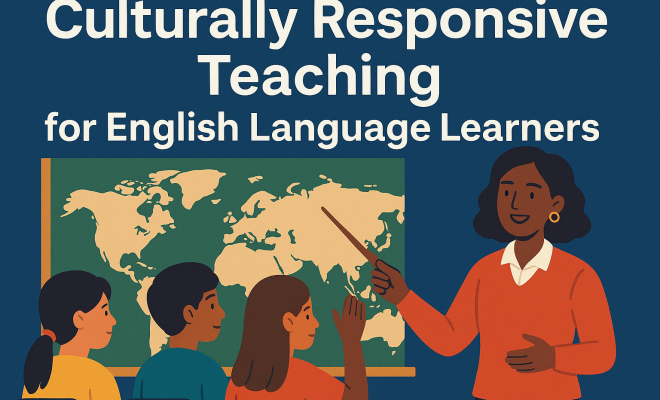
Increased Focus on Diversity and Inclusion: Programs are increasingly prioritizing training in culturally responsive teaching and addressing systemic inequities within education.
Integration of Technology: The use of technology in teaching and learning is becoming a core component of teacher education, preparing educators for a digital-first classroom.
Collaborative Learning Environments: Teacher education programs are emphasizing collaboration among students, faculty, and local schools to create a more interconnected learning experience.
Mental Health and Well-Being: Recognizing the importance of mental health, programs are incorporating training on supporting students’ social-emotional well-being.Teacher Education Programs: Specialized Tracks for Diverse Needs
Another notable trend in teacher education programs is the development of specialized tracks within the curriculum to address the unique needs of various student populations. Institutions are recognizing that not all students learn in the same way, and therefore, educators must be equipped with the skills to teach diverse groups effectively.
Special Education: Programs are increasingly offering specialized training for future educators who aspire to work with students with disabilities. This track focuses on inclusive practices, individualized education plans (IEPs), and behavioral management strategies to ensure that all students receive equitable access to education.
Bilingual Education: With the growing population of English language learners in U.S. schools, teacher education programs are incorporating bilingual education tracks. These programs prepare educators to teach in dual-language settings or to support students in acquiring English while maintaining their native languages.
STEM Education: As the emphasis on science, technology, engineering, and mathematics (STEM) education grows, some teacher preparation programs are creating dedicated pathways for those wishing to specialize in these subjects. These specialized programs often include hands-on learning experiences and partnerships with local industries to bridge the gap between education and real-world applications.
Field Experience: Immersion in Diverse Educational Settings
Field experience remains a cornerstone of teacher education, as it allows students to apply theoretical knowledge in real classroom environments. In 2026, many top programs are enhancing their field experience components by offering diverse placements that reflect the demographics and challenges of contemporary classrooms.
Urban and Rural Settings: Some programs facilitate placements in both urban and rural schools to provide students with exposure to different educational contexts. This range of experiences helps future educators develop adaptive teaching strategies suited to various community needs.
International Opportunities: Additionally, some institutions are offering international teaching experiences, allowing students to work in classrooms abroad. This exposure to different educational systems and cultural practices enriches their understanding of global education challenges and innovations.
Mentorship Programs: The Role of Experienced Educators
Mentorship plays a vital role in teacher education, with many programs pairing students with experienced educators who can provide guidance and support. These mentorship arrangements are designed to foster professional growth and help novice teachers navigate the complexities of the classroom environment.
Peer Mentorship: In addition to traditional mentorship models, some programs are implementing peer mentorship initiatives. These allow students to learn from each other, sharing insights and experiences that enhance collaborative learning and teaching practices.
Faculty Support: Faculty members also play a crucial role in mentorship. Many programs encourage a close relationship between students and professors, fostering an environment where students can seek feedback, share challenges, and engage in meaningful discussions about educational practices.
Networking Opportunities: Building Professional Connections
Networking is another critical aspect of teacher education programs. Many leading programs actively facilitate connections between students and educational leaders, alumni, and local school districts.
Job Fairs and Workshops: Institutions often host job fairs, workshops, and seminars featuring guest speakers from the education sector, providing students with valuable insights into potential career paths and employment opportunities.
Alumni Networks: Graduates of these programs frequently form strong alumni networks that can assist current students in finding job placements or internships. The connections made during the program can lead to mentoring relationships that extend well into their professional careers.
Conclusion: The Future of Teacher Education
The evolving landscape of teacher education programs in the United States reflects the increasing complexity of today’s classrooms. As educators face new challenges, the need for innovative, responsive training programs is more critical than ever. By focusing on specialized tracks, diverse field experiences, and mentorship opportunities, these programs are preparing the next generation of teachers to meet the needs of all students effectively.
As we look forward to the future, it is essential to continue investing in teacher education, fostering a profession that is both respected and critical to society’s development.