20 Best Dream Catcher Activities for Kids
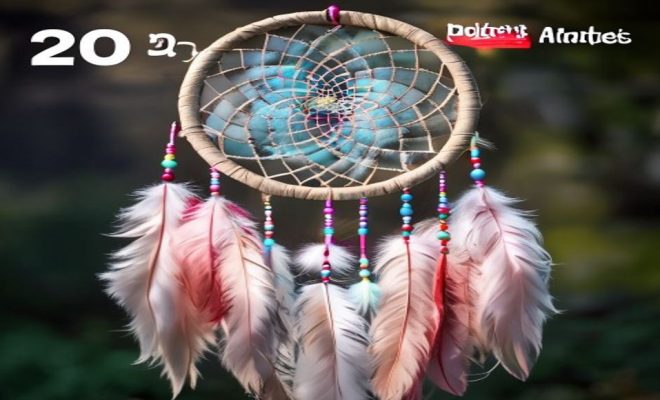
“`html
Dream catchers are not just beautiful pieces of art; they also carry rich cultural significance, especially among Native American tribes. Traditionally, they were created to protect sleeping individuals from bad dreams, allowing only good dreams to pass through. Today, dream catcher activities for kids serve as a fun way to inspire creativity while teaching valuable lessons about culture, teamwork, and fine motor skills. In this article, we’ll explore 20 fantastic dream catcher activities that kids will love, helping them to express their creativity and learn at the same time.
1. DIY Dream Catchers
What better way to start your journey into dream catchers than by making one from scratch? Gather some natural materials like twigs, feathers, and beads. You can even use yarn or string to weave the net. The beauty of this activity lies in its openness to creativity. Each child can design their dream catcher in a unique way, adding personal touches like charms or colors that represent their personality or dreams.
Provide guidance on how to assemble the basic structure: create a circular frame, weave the net, and attach decorative elements. This hands-on experience not only gives kids a tangible product but also reinforces skills in planning and executing a craft project, helping them to visualize their creative ideas.
2. Storytelling with Dream Catchers
Incorporate storytelling into your dream catcher activities for kids by encouraging them to create stories around their designs. Each child can share the meaning behind the colors, shapes, and materials they used. This activity fosters imagination and helps kids articulate their thoughts and feelings.
To make it more interactive, you could set aside time for a ‘story circle’ where each child presents their dream catcher and story. This builds confidence and improves public speaking skills, as well as offering an opportunity for kids to listen and engage with their peers.
3. Dream Catcher Painting
Painting is always a hit with kids, and using dream catchers as a theme elevates it even further. Kids can create dream catcher designs on canvases or paper using various painting techniques. You could introduce them to different styles, such as abstract or realistic, encouraging them to express their interpretation of what a dream catcher means to them.
This activity can also serve as a great introduction to color theory and mixing, all while letting kids experiment with brushes and textures. The final products can be showcased in a mini-exhibition, giving kids a sense of achievement.
4. Nature Walk for Materials
Take your kids on a nature walk to collect materials for their dream catchers. This not only enhances their appreciation for the environment but also teaches them about sustainability and creativity. Kids can gather twigs, leaves, flowers, and even stones to use in their dream catchers.
During the walk, discuss the importance of each item and how it can symbolize different dreams or aspirations. For instance, a smooth stone could represent calmness, while a vibrant flower could symbolize happiness. This activity combines physical activity with learning, making it a wholesome experience.
5. Dream Journals
Link your dream catcher crafts to the idea of dreams by introducing dream journals. After creating their dream catchers, encourage kids to write down their dreams or goals in a journal. This not only complements the physical craft but also helps them reflect on their thoughts and feelings. We covered art resources for kids in more detail.
To make it special, you can help them decorate their journals using stickers, drawings, or even small dream catchers. This combination of art and writing nurtures both creative and analytical skills, making it an enriching experience.
6. Coloring Pages
For a simpler, yet engaging activity, provide kids with dream catcher coloring pages. This gives them the freedom to explore colors while also focusing on intricate designs. You can find or create printable dream catcher coloring sheets that vary in complexity to cater to different age groups.
Encourage discussions about color choices and what each color represents in their lives or dreams. You can also use this time to talk about the cultural significance of dream catchers, enriching their understanding while they color.
7. Friendship Dream Catchers
What better way to celebrate friendships than by making dream catchers together? This collaborative activity encourages teamwork and communication. Kids can work in pairs or small groups, sharing materials and ideas as they create their friendship dream catchers.
Each child can incorporate elements that symbolize their friendship, like shared colors or symbols. This not only strengthens their bond but also teaches them the value of collaboration and creativity in working towards a common goal. (See: Learn about the history of dream catchers.)
8. Dream Catcher Mobile
Elevate the traditional dream catcher by creating a mobile that hangs from the ceiling. Kids can make several small dream catchers and attach them to a hoop or branch, creating a whimsical centerpiece for their room. This project allows for multiple dream catcher creations, giving them a chance to experiment with different designs and techniques.
As they construct the mobile, discuss the symbolism of each dream catcher. This activity combines crafting with spatial thinking, as kids will need to consider balance and design layout.
9. Dream Catcher Keychains
Transform small dream catcher designs into keychains for a practical take on the craft. Using smaller materials like beads, string, and charms, kids can create mini dream catchers that can be attached to their backpacks or used as gifts for friends.
This activity not only allows for creativity but also teaches kids about functionality in art. They can personalize their keychains by choosing colors and charms that reflect their individual styles, making each piece unique.
10. Online Workshops or Tutorials
With the rise of digital learning, consider hosting an online workshop or finding tutorials that focus on dream catcher crafting. This allows for a broader reach, enabling kids from different locations to participate together. You can invite a local artist or an expert to lead the workshop, providing insight into the cultural significance of dream catchers.
Through online interaction, kids can share their creations with a larger audience, receive feedback, and learn from one another. This experience enhances their crafting skills and builds a sense of community, even in a virtual space.
11. Glow-in-the-Dark Dream Catchers
For a magical twist, create glow-in-the-dark dream catchers. Use glow-in-the-dark paint or threads that will shine in the dark, adding an ethereal touch to the traditional craft. This is particularly exciting for kids as they can hang their creations above their beds and enjoy a comforting glow at night.
This activity can also serve as a discussion point about how dreams work. You can talk about the importance of sleep and how the glow-in-the-dark feature can symbolize the light of good dreams dispelling the darkness of nightmares.
12. Seasonal Dream Catchers
Encourage kids to connect with nature by creating seasonal dream catchers. Use materials that reflect the current season, such as flowers in spring, leaves in autumn, or snowflakes in winter. Each seasonal dream catcher can symbolize different dreams or feelings associated with that time of year.
This activity can also involve discussions about the seasons, weather changes, and their impact on nature and personal feelings. It’s a wonderful way to weave educational lessons into your creative project.
13. Dream Catcher Workshops at School
Consider introducing dream catcher activities as part of an art curriculum in school. This not only allows for structured learning but also promotes cultural awareness among students. A workshop led by a knowledgeable instructor can help students understand the cultural significance while engaging in hands-on crafts.
Such activities in schools can also foster community involvement, as parents and local artists can be invited to participate. This collaboration can strengthen connections within the community and provide a richer learning experience.
14. Dream Catcher Scavenger Hunt
Turn the crafting process into a playful scavenger hunt! Create a list of materials needed for dream catchers and have kids find them within a designated area, such as the yard or a park. This interactive approach promotes teamwork and problem-solving skills.
After gathering materials, kids can then create their dream catchers using what they found. This activity encourages creativity while reinforcing the idea that art can come from various sources and not just traditional craft supplies.
15. Dream Catcher-Themed Parties
Host a dream catcher-themed party where kids can come together to create and celebrate their own dream catchers. Set up craft stations, decorate the space with dream catcher motifs, and have snacks inspired by dreams, such as moon pies or star-shaped cookies.
This social event not only provides a creative outlet but also strengthens friendships and creates lasting memories. You can even incorporate games and storytelling sessions into the party to make it a well-rounded experience. (See: Explore mental health resources for kids.)
16. Dream Catcher Crafts with Recyclables
Teach kids about sustainability by using recyclable materials to create dream catchers. Old CDs, plastic bags, and leftover yarn can be transformed into unique dream catchers. This not only fosters creativity but also promotes the importance of recycling and environmental responsibility.
As kids craft using recyclable materials, engage them in conversations about reducing waste and how art can help raise awareness for environmental issues. This way, they learn practical skills while also understanding their impact on the planet.
17. Personalized Dream Catchers
Encourage kids to create dream catchers that reflect their personalities and interests. They can incorporate symbols, colors, and materials that represent their favorite hobbies, dreams, or even family traditions. This personalized approach gives kids a deeper connection to their creations.
This activity also serves as a great opportunity for self-expression. Discuss with them what each element represents, helping them to articulate their thoughts and emotions while crafting.
18. Dream Catcher Photo Frames
Merge photography with crafting by creating dream catcher-themed photo frames. Kids can design a frame that resembles a dream catcher, where they can display their favorite photos or pictures from magazines that inspire them.
This activity combines art with personal memories, allowing children to express their creativity in a functional way. They can gift these frames to family members, adding a sentimental touch to their creations.
19. Dream Catcher Affirmation Boards
Create affirmation boards where kids can attach their dream catchers alongside positive affirmations or quotes. This activity combines crafting with personal growth, encouraging kids to focus on their dreams and positive thoughts.
Kids can decorate their boards with colors and images that inspire them, making it a beautiful and uplifting space. This project not only promotes creativity but also reinforces the importance of self-affirmation and positivity.
20. Community Dream Catcher Project
Finally, consider collaborating with your community for a larger dream catcher project. Each child can contribute their dream catcher to create a community installation, celebrating the diversity of dreams and aspirations within the group. This project can culminate in a public display, showcasing the creativity and community spirit.
Such initiatives can strengthen community ties and provide a platform for children to share their stories and cultural heritage. It’s a beautiful way to end the journey into dream catchers, leaving a lasting impact on both the kids and the community.
Exploring the Cultural Significance of Dream Catchers
Understanding the origins of dream catchers enhances their crafting experience. Traditionally used by Native American tribes, particularly the Ojibwa (Chippewa) people, these artifacts were believed to filter dreams, allowing only good dreams to pass through and catch the bad ones in their web. Each material used in a dream catcher — such as feathers and beads — carries its own symbolism. Educating kids about these meanings can deepen their appreciation for what they are creating.
For example, feathers often symbolize freedom and bravery, while the circular shape symbolizes the cycle of life. Encouraging kids to learn about the various Native American cultures and their practices can foster respect and understanding for these rich traditions.
Incorporating Science into Dream Catcher Activities
Dream catchers can also be a springboard for scientific exploration. Discuss the science behind sleep and dreams — why we dream, what affects our sleep quality, and how different factors can lead to poor sleep. You can even conduct simple experiments around sleep hygiene, like creating a bedtime routine or testing how different environments affect sleep quality. This can help kids understand the importance of a good night’s sleep and how their dreams can be influenced. (unique painting ideas)
Additionally, you can conduct a small activity where kids keep a dream log for a week, noting their dreams and any changes they observe in their sleep when they practice good sleep hygiene versus when they don’t. This can integrate creative journaling with scientific observation, providing a holistic learning experience. (See: Read about dream catchers in children's activities.)
Frequently Asked Questions (FAQ)
Q: What age group is ideal for dream catcher activities?
A: Dream catcher activities can be tailored for various age groups. Younger kids (ages 5-8) can do simpler versions with pre-cut materials, while older kids (ages 9-12) can handle more complex designs that require weaving and assembly. Adjusting the complexity of the project allows every child to participate and learn at their own level.
Q: Where can I find materials for making dream catchers?
A: Materials for dream catchers can be found easily around the home or in nature. Natural items like twigs, feathers, and leaves can be collected during walks, while craft supplies like yarn, beads, and string can be purchased at local craft stores or online. You can also encourage kids to look for recyclable materials that can be creatively repurposed, such as old jewelry or fabric scraps.
Q: Can dream catchers be used as gifts?
A: Absolutely! Dream catchers make thoughtful gifts, especially when personalized. Kids can create dream catchers for friends and family, incorporating specific colors or symbols that resonate with the recipient. This adds a personal touch to the gift, making it even more meaningful.
Q: Is it culturally appropriate to teach kids about dream catchers?
A: Yes, but it’s essential to approach the topic with respect and sensitivity. Teaching kids about the cultural significance and history of dream catchers should be done thoughtfully. Consider inviting a guest speaker from a relevant cultural background to provide authentic insights, or ensure that educational materials used are respectful and accurate. This helps to honor the traditions they are learning about.
Q: How can I incorporate dream catchers into an educational curriculum?
A: Dream catchers can be integrated into various subjects, including art, history, and science. In art, kids can explore design and creativity. In history, you can discuss Native American cultures and their traditions. Incorporating science can involve discussions about sleep and dreams. Using dream catchers as a central theme can create interdisciplinary lessons that engage students in a variety of ways.
The Benefits of Dream Catcher Activities for Kids
Participating in dream catcher activities is more than just a fun craft; it carries numerous benefits for children’s development. One significant advantage is the enhancement of fine motor skills. As kids weave, tie knots, and manipulate small materials, they are improving their hand-eye coordination and dexterity. These skills are foundational for many other tasks, from writing to playing sports.
In addition to fine motor development, creating dream catchers also fosters cognitive growth. Kids engage in problem-solving as they decide which materials to use and how to assemble their designs. This process of decision-making enhances critical thinking skills, allowing them to plan and execute their ideas effectively.
Socially, these activities encourage collaboration and communication among peers. Working on group projects, like friendship dream catchers or a community art installation, teaches kids the importance of teamwork, sharing ideas, and valuing others’ contributions. These social skills are crucial for building positive relationships in the future.
Connecting to Other Cultures Through Crafting
While dream catchers are rooted in Native American culture, the concept of creating protective charms or symbols can be found in various cultures worldwide. This opens doors for kids to explore global traditions and connect with different cultures. For example, the Japanese have “shishimai,” lion dance decorations believed to ward off evil spirits, while in East Asian cultures, red strings symbolize protection and connection. Exploring these different cultural crafts can show kids the universal desire for safety and positive energy in our lives.
By comparing and contrasting dream catchers with similar cultural artifacts, children can gain a broader understanding of the world, fostering empathy and appreciation for diversity. This leads to rich discussions about values, beliefs, and how different cultures express hope and protection.
Conclusion
Engaging in dream catcher activities for kids fosters creativity and artistic expression while deepening their understanding of culture and personal reflection. By incorporating these activities into your curriculum or family time, you provide children with tools to explore their dreams, build relationships, and create meaningful art that resonates with their identity and values. The journey into crafting dream catchers can lead to a greater appreciation of creativity, teamwork, and cultural heritage, leaving a lasting impact on young minds.
“`
Trending Now
Frequently Asked Questions
What are some fun dream catcher activities for kids?
Some fun dream catcher activities for kids include DIY dream catcher making, storytelling sessions where kids share the meanings behind their designs, and collaborative projects that encourage teamwork. These activities not only inspire creativity but also teach valuable skills such as planning, execution, and public speaking.
How can I make a dream catcher with my child?
To make a dream catcher with your child, gather materials like twigs, yarn, feathers, and beads. Start by creating a circular frame, then weave a net using the yarn. Finally, let your child decorate it with personal touches, fostering creativity and fine motor skills in the process.
What is the cultural significance of dream catchers?
Dream catchers hold rich cultural significance, particularly among Native American tribes, where they were believed to protect individuals from bad dreams. They serve as a symbol of hope and good dreams, making them not just decorative items but also meaningful pieces of art that connect children to cultural heritage.
How can storytelling enhance dream catcher activities for kids?
Storytelling can enhance dream catcher activities by allowing kids to share the meanings behind their designs. This fosters imagination and articulation, while a 'story circle' encourages public speaking skills and peer engagement, making the activity more interactive and enriching.
What skills do kids learn from dream catcher crafts?
Kids learn various skills from dream catcher crafts, including fine motor skills, planning, and execution of projects. They also develop creativity, confidence through public speaking during storytelling, and the ability to engage with peers, making it a holistic educational experience.
What did we miss? Let us know in the comments and join the conversation.