June Strawberry Moon 2026: The Year’s Final Micro Moon
“`html
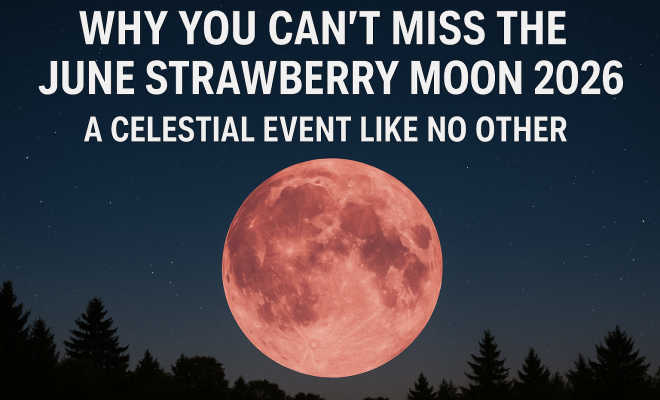
The June Strawberry Moon 2026 is set to captivate stargazers and casual observers alike on June 29. This full moon will not only be a chance to appreciate the beauty of our lunar companion; it will also mark the third and final micro moon of the year. The phenomenon of the micro moon occurs when the full moon coincides with its apogee, or the point in its orbit when it is farthest from Earth. This unique alignment causes the moon to appear smaller and dimmer than usual—an intriguing sight for anyone looking to enhance their astronomical knowledge or simply enjoy the night sky.
1. What is a Micro Moon?
To fully appreciate the June Strawberry Moon 2026, understanding what a micro moon is can greatly enhance your viewing experience. A micro moon occurs when the full moon or new moon happens at or near apogee. This distance can vary, but the average apogee occurs at about 252,700 miles from Earth. When the moon is at this farthest point, it can appear up to 14% smaller and 30% less bright than when it’s at perigee, the closest point in its orbit.
This particular June’s full moon will reach its maximum brightness at 7:56 p.m. ET. However, this timing may not be optimal for viewing, as it coincides with daylight hours in North America. The best opportunity to appreciate the June Strawberry Moon 2026 will come after sunset, when the moon begins to rise and dominate the night sky.
2. The Significance of the Strawberry Moon
The name “Strawberry Moon” originates from the Algonquin tribes of North America, who used it to mark the time of year when strawberries were ripe for harvesting. The term has been adopted widely, and it reflects both a cultural appreciation for the lunar phases and a connection to nature’s cycles. While this moon doesn’t change the way strawberries grow, it serves as a gentle reminder of the changing seasons.
In addition to its agricultural significance, the Strawberry Moon is often associated with themes of abundance and gratitude for nature’s offerings. This makes it a wonderful occasion for moon-gazing events, family gatherings, or personal reflection as you enjoy the beauty of the natural world around you.
3. June Strawberry Moon 2026: Key Viewing Times
Mark your calendars for June 29, as the June Strawberry Moon 2026 will take center stage in the night sky. While the full moon reaches its peak brightness at 7:56 p.m. ET, you won’t see its full effect until after sunset. Depending on your location, sunset times will vary, so it’s best to check local listings to determine the optimal viewing time.
As the moon rises, it will create a stunning spectacle against the backdrop of a twilight sky. Notably, the moon’s apparent size will be diminished due to its distance from Earth, but its luminous glow will still be captivating. If you’re in a well-lit urban area, consider finding a darker location to fully appreciate the moon’s ethereal beauty.
4. How to Prepare for Moon Gazing
To make the most out of your June Strawberry Moon 2026 experience, preparation is key. First, find an ideal location with minimal light pollution; parks, fields, and other open spaces far from city lights are your best bets. Bring along a blanket or lawn chair for comfort, and consider packing snacks and drinks to enjoy while you watch the sky.
You’ll also want to check the weather forecast close to the date. Clear skies will provide the best viewing conditions, allowing you to take in the full beauty of the moon. Using astronomy apps can help you track the moon’s position in the sky, giving you a better sense of when it will rise and how it will appear throughout the evening.
5. Capturing the Moment: Photography Tips
If you’re keen on documenting this celestial event, photographing the June Strawberry Moon 2026 can be a rewarding endeavor. Start by using a camera that allows for manual settings; this will enable you to adjust the exposure and focus required for night sky photography. A tripod is also essential to avoid shaky pictures, especially in low-light conditions. (See: understanding the moon's phases.)
Experiment with different settings to find the right balance for your shots. A lower ISO setting can reduce noise, while a longer exposure time can capture more light from the moon. If you have a zoom lens, use it to magnify the details of the lunar surface. Don’t forget to pay attention to your foreground; including trees or landscape elements can create a more compelling composition.
6. Connecting with Community: Group Events
The June Strawberry Moon 2026 presents a wonderful opportunity to connect with fellow astronomy enthusiasts. Many local astronomy clubs and organizations host moon-gazing events, inviting the community to come together and appreciate the celestial display. These gatherings often feature telescopes for closer views of the moon and may include presentations on lunar science and folklore.
Even if you don’t have access to telescopes, participating in a group event can enhance your experience. Sharing the moment with others can deepen your appreciation of the universe and foster a sense of belonging within a community that cherishes the night sky.
7. Astrological Significance of the Strawberry Moon
For those interested in astrology, the June Strawberry Moon holds unique significance. Traditionally, full moons are believed to amplify emotions and bring about change. This particular moon is often associated with themes of love, abundance, and personal growth. It’s a great time for setting intentions or reflecting on your achievements and aspirations.
Astrologically, the Strawberry Moon falls in the sign of Capricorn, which emphasizes discipline, responsibility, and ambition. This alignment may inspire you to take actionable steps toward your goals, whether personal, professional, or spiritual. Engaging in rituals or practices that align with your intentions can enhance the energy of this moon phase.
8. Looking Ahead: Future Micro Moons
While the June Strawberry Moon 2026 will be the last micro moon of the year, it’s worth noting that micro moons are not exceptionally rare events. However, the beauty of each one lies in its unique qualities and the circumstances of its occurrence. To continue your lunar journey, keep an eye out for future full moons and their corresponding micro moon events.
In 2027, for instance, there will be several more opportunities to witness micro moons, along with other fascinating lunar phenomena like lunar eclipses and supermoons. Each full moon brings its own character, offering a fresh chance to connect with the cosmos.
9. Final Thoughts: Embrace the Magic of the Moon
The June Strawberry Moon 2026 is more than just a beautiful sight in the sky; it’s an invitation to pause, reflect, and appreciate the natural world. Whether you’re an astronomy enthusiast, an avid photographer, or someone simply looking to enjoy a serene evening under the stars, this lunar event offers something for everyone.
As you prepare for the June Strawberry Moon, remember that the experience is just as important as the viewing itself. Gather with friends, engage with your community, and take the time to reflect on what this moon means to you. The night sky, with all its wonders, is waiting to be explored—don’t miss your chance to see it!
10. Myths and Folklore Surrounding the Strawberry Moon
The Strawberry Moon has inspired many myths and legends throughout history. Native American tribes tied the moon’s name to the ripening of strawberries, but other cultures have their own interpretations. For example, in some European cultures, this full moon is known as the Rose Moon, celebrating the blooming of roses during this time. These cultural connections highlight the deep-rooted relationship between lunar cycles and agricultural practices. (See: NASA's overview of the moon.)
In ancient times, people believed that the energy of the Strawberry Moon could influence fertility and growth. Farmers would plan their planting schedules in accordance with the phases of the moon, believing that certain times were more auspicious for sowing seeds. This connection between the moon and earthly cycles still resonates today, as many people turn to lunar calendars to guide their gardening and planting efforts.
11. Scientific Studies and the Moon’s Influence
Scientific interest in the moon’s phases extends beyond folklore and tradition. Numerous studies have sought to understand how the moon affects both natural phenomena and human behavior. Research has shown that the full moon can influence tides, due to its gravitational pull, but its effects on human behavior are still a topic of debate.
Some studies suggest that the lunar cycle may affect sleep patterns, with people reporting poorer sleep quality during a full moon. However, other research has found little to no correlation. The complexities of human behavior make it challenging to draw definitive conclusions, but the ongoing interest in the moon’s influence invites further exploration.
12. Frequently Asked Questions about the June Strawberry Moon 2026
What time will the June Strawberry Moon 2026 be visible?
The June Strawberry Moon will reach its peak brightness on June 29 at 7:56 p.m. ET. However, it’s best viewed after sunset when it rises in the sky, providing a captivating sight as the night progresses.
Why is it called the Strawberry Moon?
The name “Strawberry Moon” comes from the Algonquin tribes, marking the season when strawberries are ripe for harvest. It reflects nature’s cycles and the importance of seasonal changes.
How does a micro moon differ from a supermoon?
A micro moon occurs when the moon is at its furthest point from Earth during a full moon, making it appear smaller and dimmer. In contrast, a supermoon occurs when the moon is at its closest point to Earth, appearing larger and brighter than usual.
Can I see the details of the moon’s surface during the Strawberry Moon?
While the moon may appear smaller during the micro moon, you can still see some details with a good pair of binoculars or a telescope. A camera with a zoom lens can also help capture the moon’s surface features.
What should I do if the weather is cloudy on June 29?
If the weather doesn’t cooperate, consider using astronomy apps to track the moon’s position in the sky and plan for the next clear night. Alternatively, you could reflect on the myths and cultural significance of the Strawberry Moon or even host a moon-themed gathering indoors with friends and family!
13. Celebrating the Strawberry Moon: Activities and Rituals
The June Strawberry Moon is a wonderful opportunity to engage in activities that honor its beauty and significance. Here’s a list of ideas you might consider: (See: effects of moonlight on the environment.)
- Moonlight Picnic: Plan a picnic under the moonlight with friends or family. Bring your favorite snacks and beverages, and enjoy the serene atmosphere.
- Gardening Rituals: If you’re a gardener, this is an ideal time to plant flowers or herbs. Some believe that planting by the light of the moon can enhance growth.
- Journaling: Spend some time reflecting on your goals and intentions for the upcoming months. Writing under the light of the moon can create a peaceful and inspiring environment.
- Artistic Expression: Channel the beauty of the moon into art. Whether it’s painting, photography, or writing poetry, let your creativity flow during this magical time.
14. Looking to the Skies: Other Celestial Events in June 2026
While the June Strawberry Moon 2026 is undoubtedly a highlight, there are several other celestial events to look forward to throughout the month. Notably, June often features meteor showers, such as the June Lyrids, which could add an extra layer of excitement to your moon-gazing experience.
In June 2026, you might catch glimpses of the annual meteor shower, which typically peaks around mid-June. These shooting stars provide a perfect backdrop for your moonlit evenings and can be an excellent addition to your stargazing activities. Make sure to find a location with a clear view of the sky to maximize your chances of witnessing these fleeting lights.
15. Understanding the Moon’s Phases: A Deeper Dive
Understanding the phases of the moon can significantly enrich your experience as you observe the June Strawberry Moon 2026. The moon goes through a complete cycle roughly every 29.5 days, transitioning from new moon to full moon and back again. Each phase holds unique attributes, influencing various aspects of nature and human behavior.
The new moon represents new beginnings and is an excellent time to set intentions. Conversely, the full moon—particularly one like the Strawberry Moon—symbolizes completion, illumination, and heightened emotions. By familiarizing yourself with these cycles, you can gain a deeper understanding of how the moon’s phases affect not only your moon-gazing plans but also your personal life.
16. Exploring Lunar Folklore Across Cultures
Different cultures around the world have their unique interpretations and stories surrounding the moon. The Strawberry Moon, for example, is celebrated as a time of abundance in many Native American cultures, while in ancient Japan, it is referred to as the “Sakura Moon,” linking it to the cherry blossom blooming season.
Each culture offers a rich tapestry of myths and legends that connect human experiences to lunar cycles. Exploring these stories can foster a greater appreciation for the moon and its role in our lives. Engaging with these narratives can also inspire personal rituals or gatherings as you celebrate the June Strawberry Moon.
17. Final Thoughts: The June Strawberry Moon in Perspective
The June Strawberry Moon 2026 is not just an astronomical event; it’s a chance to connect with the beauty of nature, reflect on personal growth, and engage with your community. As you prepare to witness this celestial phenomenon, remember to embrace the moment and celebrate the mysteries of the universe. Whether you’re stargazing solo or enjoying the company of others, this full moon invites you to appreciate the night sky and all its wonders. So, get ready to mark your calendars and prepare for an unforgettable lunar experience!
“`
Trending Now
- this guide on how mindfulness practices improve executive function and emotional regulation
- this guide on how adhd affects executive function and emotional regulation in high school
- The Role of Nonverbal Communication in Pragmatic Language Development
- this guide on how scaffolding supports english language learners in elementary school
Frequently Asked Questions
What is a Micro Moon?
A Micro Moon occurs when a full moon or new moon is at or near its apogee, the farthest point from Earth in its orbit. This makes the moon appear up to 14% smaller and 30% dimmer than when it is at perigee, the closest point. Understanding this phenomenon can enhance your appreciation of lunar events like the June Strawberry Moon.
When is the June Strawberry Moon 2026?
The June Strawberry Moon 2026 will occur on June 29. It will be a special event as it marks the third and final Micro Moon of the year, providing a unique opportunity for stargazers to observe a smaller and dimmer moon in the night sky.
Why is it called the Strawberry Moon?
The name 'Strawberry Moon' comes from the Algonquin tribes of North America, who used it to signify the time of year when strawberries were ripe for harvesting. This term reflects both cultural appreciation for lunar phases and a connection to the seasonal cycles of nature.
What time is the Strawberry Moon at its brightest?
The June Strawberry Moon will reach its maximum brightness at 7:56 p.m. ET on June 29, 2026. However, the best viewing experience will be after sunset when the moon rises and fills the night sky, as this timing coincides with daylight hours in North America.
How does a Micro Moon affect moon visibility?
During a Micro Moon, the moon appears smaller and dimmer due to its distance from Earth. It can be up to 14% smaller and 30% less bright than a regular full moon. This unique visibility can make lunar events like the June Strawberry Moon particularly intriguing for observers.
Agree or disagree? Drop a comment and tell us what you think.