Why Retail Investors Are Bullish on SpaceX Stock Despite Drop
“`html
1. The Current State of SpaceX Stock
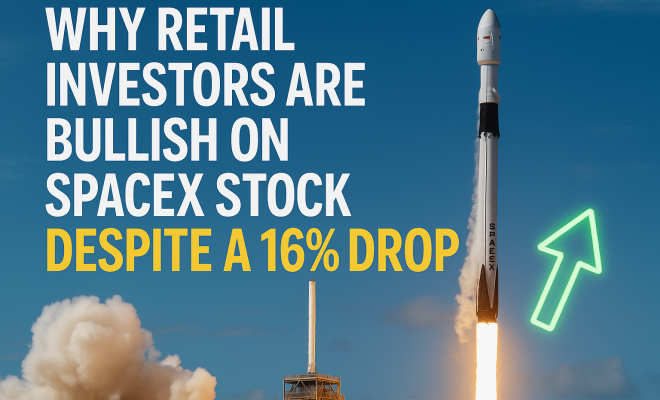
Recently, SpaceX has found itself in a bit of a downturn, with its stock dropping a notable 16.43%. While this may typically prompt panic among investors, the sentiment on the Moomoo trading platform tells a different story. Retail investors are flocking to buy SpaceX stock at an impressive buy/sell ratio of 2.91, indicating a strong contrarian confidence. It’s a phenomenon that raises questions: What’s driving this behavior? Why would investors choose to buy into a stock that seems to be falling apart? Related reading: Spacex lock-up insights.
To understand this, we need to look beyond the numbers. SpaceX has consistently been a hot topic in the finance world, and despite the current dip, many investors believe that the potential for future growth is far greater than the present losses might suggest. This juxtaposition is part of what makes SpaceX stock analysis so compelling, especially for retail traders who often thrive on volatility.
2. The Psychology Behind Contrarian Investing
The recent Moomoo trading activity highlights a key aspect of contrarian investing: the willingness to go against the grain. Typically, a drop in stock price would lead to sell-offs, as fear drives investors away from potential losses. However, in the case of SpaceX, the behavior of retail investors appears to defy conventional logic.
This contrarian mindset is fueled by a couple of critical factors. First, many investors are driven by the emotional pull of potential gains. They see an opportunity where others see a risk. Second, the social dynamics at play—especially on platforms like Moomoo—create a community effect where traders share insights, fears, and speculative ideas that can sway opinions and decisions, making them more willing to take risks.
3. What’s Causing the Buzz Around SpaceX?
SpaceX is a company that rarely strays far from the spotlight. Its innovative technology, ambitious projects, and high-profile launches keep investors engaged and talking. As retail investors dive into SpaceX stock, speculation about upcoming launches and potential government contracts is gaining traction. These future opportunities can often overshadow current performance, making investors feel that a stock in decline might actually represent a bargain.
For instance, discussions about SpaceX’s plans for the Starship program and its ongoing contracts with NASA fuel excitement. The prospect of winning new contracts or successfully launching missions can create an allure that is hard to resist, even amid a stock price drop. The anticipation of these events can lead to a strong buy-in sentiment, as many are eager to secure their stake before prices potentially soar.
4. The Role of Social Media in Stock Trading
The importance of social media platforms in modern-day trading cannot be overstated. Platforms like Moomoo, Reddit, and Twitter have created vibrant communities where traders share their insights, strategies, and speculations. The viral nature of discussions surrounding SpaceX stock has amplified interest, particularly after the recent dip.
When a stock like SpaceX sees a significant drop, it often becomes a focal point for discussion. Investors rally together, debating the merits of buying the dip versus selling out. The emotional charge that comes from these discussions—especially when framed as a battle between retail traders and institutional skeptics—creates a dramatic narrative that captivates audiences. This phenomenon not only fuels interest but also drives a spike in stock activity as more traders join the conversation.
5. Fear of Missing Out (FOMO) Drives Investment
FOMO is a powerful motivator in the world of investing. Many retail investors fear missing out on significant gains that could result from a rebound in a stock like SpaceX. The recent decline has created a paradox where the fear of missing out on a recovery is greater than the fear of losing money on an investment.
As more discussions arise regarding SpaceX’s potential future performance, the fear of missing an opportunity can prompt investors to buy shares even amidst a downturn. This highlights one of the key aspects of SpaceX stock analysis—understanding not just the numbers, but the emotional and psychological factors that influence investor behavior.
6. Institutional Skepticism vs. Retail Optimism
One of the most intriguing dynamics in the current market is the contrast between institutional skepticism and retail optimism. Institutional investors—those with access to critical market insights and data—often take a more cautious approach when stocks decline. In contrast, retail investors, buoyed by community sentiment and speculative discussions, may not shy away from risky bets. (See: SpaceX stock analysis and trends.)
This difference in perspective can lead to significant market movements. Institutional investors may see the 16% drop as a red flag, prompting them to sell, while retail investors view it as an opportunistic entry point. This tug-of-war can create volatility, but it also presents unique opportunities for those willing to take calculated risks.
7. What Lies Ahead for SpaceX Stock?
Given the backdrop of excitement surrounding upcoming launches and contracts, the future of SpaceX stock is as unpredictable as it is intriguing. Investors are watching closely for signs of a turnaround, which could happen quickly given the company’s track record of success. As the industry evolves and SpaceX continues to innovate, there’s potential for significant upward mobility in stock prices.
For retail investors, the current climate presents both a risk and an opportunity. As they weigh their options, they must consider their investment strategies carefully. Will they hold onto their shares in hopes of a rebound, or will they sell amidst the uncertainty? Only time will tell, but what’s clear is that the current situation with SpaceX stock is emblematic of the broader trends in retail trading today—where community sentiment and emotional factors often outweigh traditional market logic.
8. Analyzing SpaceX’s Financial Health
When evaluating SpaceX stock, it’s essential to look at the company’s financial health. SpaceX is privately held, which means it doesn’t have to disclose its financials as rigorously as publicly traded companies. However, several indicators can provide insights into its valuation and future prospects. Analysts estimate that SpaceX’s valuation has soared to around $137 billion, driven by its ambitious projects and successful launch schedule.
In recent years, SpaceX has generated revenue through various streams, such as satellite launches, cargo deliveries to the International Space Station, and the development of the Starlink satellite internet service. The Starlink project, in particular, has shown immense growth potential, with estimates suggesting revenue could exceed $30 billion annually within the next few years. This diversification of income is critical for SpaceX’s long-term stability and growth.
Moreover, as SpaceX secures more government contracts and private partnerships, its financial foundation becomes more robust. For example, a recent $2.9 billion contract with NASA for lunar lander development underscores the trust placed in SpaceX’s capabilities, which can translate into investor confidence and stock stability.
9. Comparing SpaceX to Other Aerospace Stocks
SpaceX operates in a competitive landscape with other prominent aerospace companies such as Boeing, Lockheed Martin, and Northrop Grumman. While these companies also have their strengths, SpaceX has a unique edge through its innovative approach and technology-driven business model. Compared to traditional aerospace firms, SpaceX has achieved lower launch costs and quicker turnaround times due to its reusable rocket technology.
For instance, while Boeing’s Starliner has faced multiple delays and technical issues, SpaceX’s Crew Dragon has successfully transported astronauts to the ISS on several occasions without significant hiccups. This operational efficiency not only enhances SpaceX’s reputation but also makes it a more attractive option for investors looking for growth potential.
Another aspect to consider is the growth trajectory of each company. While traditional aerospace stocks may offer steady dividends and stability, SpaceX’s ambitious plans for Mars colonization, satellite internet expansion, and space tourism position it as a high-risk, high-reward investment. For investors willing to embrace volatility, SpaceX could be the better choice compared to its more established counterparts.
10. Expert Perspectives on SpaceX Stock
Experts have varying opinions on the future of SpaceX stock. Some analysts emphasize the company’s innovative technology and ambitious vision as strong indicators of future success. “SpaceX has revolutionized access to space,” says Dr. Emily Johnson, a leading aerospace analyst. “Their ability to lower costs while pushing technological boundaries sets them apart from traditional aerospace giants.”
On the other hand, some caution investors about the risks associated with its high valuation and the challenges of maintaining a consistent launch schedule. “Investing in SpaceX is not for the faint-hearted,” states Mark Thompson, an investment strategist. “While their projects are groundbreaking, the volatility in space launches, regulatory hurdles, and competition can impact their stock performance.”
11. Frequently Asked Questions (FAQ)
Q1: Is SpaceX stock publicly traded?
A1: As of now, SpaceX is a privately held company, meaning its stock is not available for public trading. However, there are talks about a potential IPO in the future, which could allow retail investors to buy shares. (See: Research on contrarian investing behavior.)
Q2: How does SpaceX’s valuation compare to other aerospace companies?
A2: SpaceX’s valuation is one of the highest in the aerospace sector, sitting at around $137 billion. This is significantly higher than traditional aerospace companies, thanks in part to its innovative technology and diversified revenue streams.
Q3: What factors could influence the future of SpaceX stock?
A3: Several factors can impact SpaceX’s stock value, including the success of upcoming launches, the securing of government contracts, developments in the Starlink project, and competition from other aerospace companies.
Q4: Should I invest in SpaceX stock?
A4: Investing in SpaceX carries risks and rewards. Carefully consider your investment strategy, risk tolerance, and the potential for high volatility in the aerospace sector before making any decisions.
Q5: What are some signs that SpaceX stock might rebound?
A5: Signs of a potential rebound could include successful launches, new government contracts, partnerships, or positive developments in the Starlink project that could lead to increased revenue.
Q6: How can I stay updated on SpaceX stock news?
A6: Following financial news outlets, joining investment forums, and monitoring social media platforms like Twitter can help you stay informed about the latest developments regarding SpaceX and its stock.
12. Future Trends in Space Exploration and Their Impact on SpaceX
Looking ahead, the future of space exploration appears promising, and SpaceX is at the forefront of this rapidly evolving industry. Various trends will shape the landscape, including the commercialization of space travel, increasing global interest in lunar missions, and advances in satellite technology. These developments could have profound implications for SpaceX and its stock performance.
One of the most significant trends is the rise of space tourism. Companies like Blue Origin and Virgin Galactic are already paving the way for commercial space travel. SpaceX’s Crew Dragon could play a critical role in this arena, providing transport for private astronauts to the International Space Station and beyond. The potential revenue from space tourism could be a game changer for the company, further enhancing its valuation.
Additionally, the renewed focus on lunar exploration is another area where SpaceX could capitalize. With NASA’s Artemis program aiming to return humans to the Moon by 2024, SpaceX’s role in delivering astronauts and equipment could solidify its reputation as a leading aerospace contractor. This could lead to more contracts and increased stock value.
Finally, advancements in satellite technology, particularly through SpaceX’s Starlink project, are worth noting. As more individuals and businesses seek high-speed internet access, Starlink’s satellite network could revolutionize global connectivity. The projected revenue from Starlink alone is enough to excite investors, especially as broadband demand grows, creating a solid foundation for future stock performance.
13. SpaceX’s Challenges and Risks
While the prospects for SpaceX are bright, there are also significant challenges and risks that investors should consider. Regulatory hurdles are an ever-present concern, particularly in the context of launching and operating satellites. As governments worldwide tighten regulations on space traffic management and environmental impacts, SpaceX may need to adapt its operations, which could lead to delays and increased costs. (See: Harvard Business Review on investing strategies.)
Additionally, competition in the aerospace sector is heating up. Companies like Blue Origin and Rocket Lab are not only vying for the same government contracts but are also targeting the commercial launch market. This intensifying competition could pressure SpaceX’s market share and pricing structure, potentially affecting revenue growth.
Financially, while SpaceX is valued highly, maintaining such valuation levels depends on its ability to consistently deliver on its promises. If the company experiences setbacks in its launch schedules or faces failures in missions, investor confidence could erode rapidly. This is especially true in an environment where volatility in the tech sector can spill over into aerospace investments.
14. Potential IPO and What It Means for Investors
Many investors are eagerly awaiting the potential for a SpaceX IPO, which could offer a new entry point for retail investors. If SpaceX decides to go public, it would bring a plethora of opportunities but also challenges. An IPO could provide the company with substantial capital to fund its ambitious projects, including Mars colonization and further development of the Starship program.
However, an IPO would also subject SpaceX to the scrutiny of public markets. Investors would expect transparency in the company’s financials, operational practices, and strategic direction. This change could shift the sentiment around SpaceX stock, inviting more institutional investors while simultaneously raising the stakes for maintaining growth and performance.
The IPO process could also spark a significant increase in stock volatility. Initial public offerings often experience wild price fluctuations as the market finds the right valuation for the newly public company. Retail investors should be prepared for this volatility and understand the inherent risks that come with investing in a newly public stock.
15. Conclusion: Navigating the SpaceX Stock Landscape
The landscape of SpaceX stock analysis demonstrates a unique intersection of emotion, community sentiment, and market dynamics. As the company continues its ambitious projects and navigates the complexities of the aerospace industry, investors must stay vigilant and informed. Whether you’re a seasoned investor or just starting, understanding the various elements at play can help you make more informed decisions regarding SpaceX stock.
From the psychological aspects driving investor behavior to the external factors influencing industry trends, the story of SpaceX stock is one of intrigue and potential. Those willing to engage with the complexities and risks of investing in this innovative company may find rewarding opportunities ahead.
“`
Trending Now
Frequently Asked Questions
Why are retail investors buying SpaceX stock despite the drop?
Retail investors are showing strong interest in SpaceX stock despite a 16% drop due to a buy/sell ratio of 2.91 on the Moomoo trading platform. Many believe the potential for future growth outweighs current losses, showcasing a contrarian confidence in the stock.
What is contrarian investing and how does it apply to SpaceX?
Contrarian investing involves going against prevailing market trends. In the case of SpaceX, despite its stock decline, retail investors are buying in, driven by the emotional pull of potential gains and a supportive community on trading platforms like Moomoo.
What factors are influencing the buzz around SpaceX stock?
The buzz around SpaceX stock is influenced by its innovative technology, ambitious projects, and high-profile launches. These factors keep investors engaged and optimistic about the company's future, even during downturns.
How does social media affect retail investors’ decisions?
Social media platforms like Moomoo create a community effect where traders share insights and strategies. This interaction can sway opinions, making retail investors more willing to take risks, especially in volatile markets like SpaceX.
What does the current trading activity on Moomoo indicate about investor sentiment?
The current trading activity on Moomoo, with a significant buy/sell ratio, indicates that retail investors are bullish on SpaceX. This suggests a strong contrarian sentiment, as many see an opportunity for growth despite the stock's recent decline.
rescue mission details offers useful background here.
What’s your take on this? Share your thoughts in the comments below — we read every one.