Why Childless Disney Adults Spark Outrage: Unpacking the Controversy
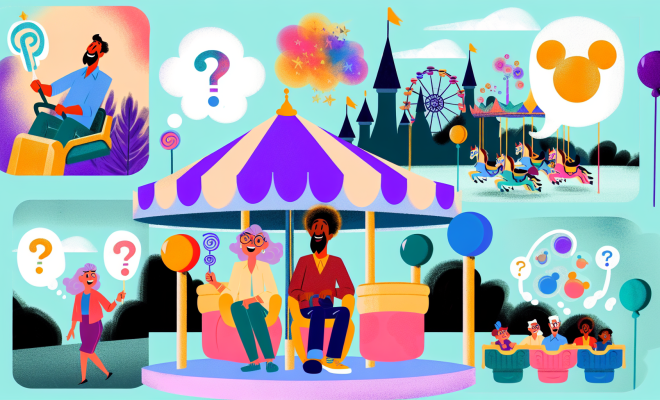
The cultural landscape surrounding childless Disney adults has ignited a fiery debate across social media platforms, capturing the attention of both fans and critics alike. This demographic, characterized by a love for Disney parks, movies, and merchandise, often faces backlash and judgment from those who view their passion as frivolous or irresponsible. But why do these childless Disney adults evoke such strong reactions?
The Intersection of Passion and Judgment
At first glance, the phenomenon of childless Disney adults might seem innocuous. Adults enjoying the magic of Disney could be viewed as harmless fun. However, this perspective quickly shifts when the conversation touches on financial responsibility and societal expectations. A recent viral article highlights the multifaceted reasons behind the animosity directed at this group, combining two contentious topics: the culture of Disney fandom and the notion of financial irresponsibility.
The Financial Debate
One of the core criticisms aimed at childless Disney adults pertains to financial choices that some perceive as extravagant or irresponsible. Critics often point out that many fans incur significant debt to fund their Disney vacations, leading to discussions about financial priorities. This financial strain can be particularly concerning in a culture that increasingly emphasizes fiscal responsibility.
- Debt Accumulation: Many individuals fund their trips to Disney through credit cards or loans, leading to a cycle of debt.
- Luxury Experiences: The high costs associated with Disney trips can be seen as wasteful by those who prioritize saving or investing.
- Generational Conflict: Older generations may feel that childless Disney adults are neglecting their responsibilities by spending on entertainment rather than traditional life milestones.
This financial discourse is not merely about personal choices; it taps into broader societal anxieties about stability, security, and the economic landscape. Amid rising costs of living and economic instability, the idea of indulging in luxury vacations can provoke strong feelings, especially among those who view prioritizing experiences over savings as reckless.
Social Acceptability and the Role of Parenting
In the backdrop of financial discussions lies a more profound issue of societal values and acceptability. The cultural narrative surrounding adulthood has historically included milestones such as marriage, homeownership, and parenthood. For many, these benchmarks define success and maturity. Thus, when childless Disney adults enthusiastically embrace a lifestyle centered around fantasy and childhood nostalgia, they can inadvertently challenge these conventional expectations.
The Polarizing Effect of Disney Fandom
Disney, as a brand, evokes intense emotions. For many, it represents a cherished childhood filled with innocence and joy. For others, particularly those who have chosen a different path, the unabashed enthusiasm of childless Disney adults can be polarizing. Critics may view this passion as a refusal to grow up, questioning the motivations behind such fervor.
This creates a perfect storm of emotional engagement. On social media, where opinions are shared freely, posts about childless Disney adults often spark heated debates. Parents may express frustration at the perceived immaturity of adults who prioritize theme parks over traditional responsibilities, while non-parents may feel defensive about their lifestyle choices.
The Generational Divide
As discussions about childless Disney adults unfold, an underlying theme emerges: generational conflict. Baby boomers and Gen X individuals often contrast sharply with millennials and Gen Z, particularly in their views on financial responsibility and leisure. While older generations may prioritize saving for retirement and buying homes, younger adults increasingly value experiences over possessions.
- Changing Values: Younger generations often prioritize experiences like travel and entertainment over traditional investments.
- Societal Pressure: The pressure to conform to societal norms can create tension between generations.
- Shifting Hobbies: Hobbies and interests that were once considered childish are now embraced by adults of all ages.
This generational divide can exacerbate feelings of resentment. Younger adults may feel judged for their choices, while older individuals may struggle to understand the motivations behind such passionate interests in Disney. This divide raises questions about how we perceive adulthood and what it means to be responsible.
The Emotional Investment in Disney Culture
Another aspect of the childless Disney adults phenomenon is the emotional investment many fans have in the Disney brand. For numerous individuals, Disney represents more than just a theme park; it embodies a sense of escapism and community. The narratives woven through Disney films resonate deeply, providing comfort and connection in a rapidly changing world.
For these fans, the magic of Disney is a crucial part of their identity, and their investment goes beyond mere financial expenditure. It encompasses a sense of belonging and freedom to express their inner child. Critically, this emotional connection often fuels their passion, leading them to celebrate and share their Disney experiences with others.
Community and Connection
Within the community of childless Disney adults, there exists a camaraderie that transcends age and background. Social media platforms have become hubs where fans can connect, share experiences, and celebrate their love for Disney. This network offers a sense of belonging that some may struggle to find in traditional adult spheres.
- Fandom as Identity: Disneyland and Disney World are not just parks; they are places where people can express their joy.
- Shared Experiences: The community aspect fosters friendships and bonds, creating a support network.
- Escapism: For many fans, Disney provides a necessary escape from the stressors of everyday life.
Engaging with Disney culture thus becomes a source of joy and connection, allowing fans to express their individuality in a world that often demands conformity.
The Backlash Against Childless Disney Adults
Despite the strong community ties and emotional connections that come with being a childless Disney adult, the backlash continues. Critics argue that this enthusiasm reflects a refusal to embrace adulthood and responsibility, which can lead to frustration and judgment.
For some, it raises questions about maturity and the appropriateness of such interests in adulthood. Comments on social media often highlight these sentiments, with many suggesting that Disney fandom is a form of regression rather than healthy self-expression.
Financial Responsibility vs. Personal Freedom
At the heart of the backlash lies a conflict between financial responsibility and personal freedom. Critics often express concern that prioritizing lavish vacations over saving for emergencies or retirement is indicative of deeper societal issues. This concern is particularly heightened in today’s economic climate, where job security and financial stability are increasingly tenuous.
On the other hand, supporters of childless Disney adults argue that enjoying life and pursuing passions is essential for mental health and well-being. They contend that adults should be allowed to engage in hobbies that bring them joy, regardless of societal expectations regarding financial behavior. This creates a nuanced conversation where both sides have valid points, yet the emotional stakes make it challenging to find common ground.
The Future of Disney Fandom Among Childless Adults
As the debate surrounding childless Disney adults continues to evolve, it is evident that the intersections of personal choice, financial responsibility, and societal values will remain hot topics. This demographic is not going away; in fact, they are likely to grow as Disney continues to expand its offerings and appeal.
Redefining Adulthood
The emergence of childless Disney adults challenges traditional notions of adulthood, encouraging society to redefine what it means to be a responsible adult. As more individuals embrace varied lifestyles and passions, particularly those that deviate from conventional paths, the conversation surrounding financial choices will also shift.
- Broader Acceptance: As societal norms evolve, there may be a greater acceptance of diverse adult interests.
- Financial Literacy: Increased awareness of fiscal responsibility could encourage more thoughtful spending among fans.
- Community Growth: The Disney fandom is likely to continue growing, creating more opportunities for connection.
Ultimately, the ongoing conversation surrounding childless Disney adults invites us to examine our values—both financially and socially. While debates may rage on, one thing remains clear: the passion for Disney is more than just a fleeting whim; it reflects deep-seated emotions and desires for happiness, community, and connection in an often chaotic world.