What is Classroom Management?

Classroom Management: The Art and Science of Creating an Effective Learning Environment
Introduction: Understanding Classroom Management
Classroom management is a crucial aspect of education that encompasses a variety of strategies and techniques employed by teachers to create an environment conducive to learning. It involves establishing clear expectations, fostering a positive classroom culture, and effectively managing student behavior. The ability to effectively manage a classroom can significantly influence the academic success and social development of students. This article delves into the definition of classroom management, its importance, core components, and the various strategies teachers can employ to enhance their classroom environments.
Defining Classroom Management: What It Entails
Classroom management refers to the methods and practices teachers use to maintain order, engage students in learning, and promote a positive educational experience. It is not merely about discipline; rather, it encompasses a holistic approach that includes organizing the classroom environment, establishing rules and routines, and fostering relationships among students and between students and teachers. Effective classroom management is proactive, aiming to prevent disruptions and promote positive behavior rather than merely reacting to problems as they arise.
Importance of Classroom Management: The Impact on Learning
Effective classroom management is essential for several reasons:
Promotes a Safe Environment: A well-managed classroom provides a safe space where students feel secure and ready to learn. When students feel safe, they are more likely to participate actively in discussions and take academic risks.
Enhances Learning: Proper classroom management minimizes distractions and allows students to focus on learning. This focus leads to higher academic achievement and a more efficient learning process.
Supports Student Development: Good classroom management helps students develop essential life skills, such as self-discipline, responsibility, and respect for others. These skills are vital for their future success both academically and socially.
Reduces Behavioral Problems: By setting clear expectations and consistently enforcing rules, teachers can reduce instances of misbehavior. This creates a more harmonious classroom environment conducive to learning.
Core Components of Classroom Management: Key Elements to Consider
Effective classroom management can be broken down into several key components:
Establishing Clear Rules and Expectations: The foundation of successful classroom management lies in the establishment of clear rules and expectations. These rules should be communicated to students from the outset and reinforced consistently.
Building Positive Relationships: Developing strong, respectful relationships between teachers and students fosters a positive classroom culture. When students feel valued and understood, they are more likely to engage in their learning.
Creating an Engaging Curriculum: A well-structured and engaging curriculum keeps students interested and motivated. Incorporating a variety of teaching methods and activities can help maintain student engagement.
Implementing Routines and Procedures: Establishing routines and procedures helps create structure in the classroom. When students know what to expect, they are more likely to stay on task and behave appropriately.
Monitoring Student Behavior: Teachers should continuously monitor student behavior and provide feedback. This can involve praising positive behavior, addressing negative behavior promptly, and using appropriate disciplinary measures when necessary.
Strategies for Effective Classroom Management: Techniques to Enhance Learning
There are various strategies that educators can implement to improve classroom management:
Positive Reinforcement: Recognizing and rewarding positive behavior encourages students to continue exhibiting those behaviors. This can be done through verbal praise, tangible rewards, or a point system.
Proactive Prevention: Anticipating potential disruptions and addressing them before they escalate is a hallmark of effective classroom management. This may involve altering seating arrangements or providing additional support to struggling students.
Engaging Instruction: Using diverse instructional strategies, such as group work, hands-on activities, and technology integration, keeps students engaged and less likely to act out.
Clear Communication: Maintaining open lines of communication with students and their families ensures that everyone is on the same page regarding expectations and behavior. Regular updates on student progress and behavior can foster a supportive community.
Flexible Classroom Layout: Arranging the classroom to facilitate movement and collaboration can help keep students engaged. This includes using flexible seating arrangements that promote interaction and cooperation.
Building a Positive Classroom Culture: Creating an Inclusive Environment
A positive classroom culture is vital for effective classroom management. This involves fostering an inclusive environment where all students feel welcome and valued. Strategies for building such a culture include:
Encouraging Collaboration: Promoting teamwork and collaboration among students helps build a sense of community. Group projects, peer tutoring, and cooperative learning activities can enhance social skills and reduce feelings of isolation.
Celebrating Diversity: Acknowledging and celebrating the diverse backgrounds and experiences of students can help create a more inclusive environment. Incorporating multicultural perspectives into the curriculum can enrich discussions and foster understanding.
Promoting Social-Emotional Learning: Integrating social-emotional learning (SEL) into the classroom helps students develop essential skills such as empathy, self-regulation, and effective communication. This can lead to improved relationships and reduced behavioral issues.
Involving Students in Decision-Making: Giving students a voice in classroom decisions fosters a sense of ownership and responsibility. This can include allowing them to help set classroom rules or choose group activities.
Regular Reflection: Teachers should regularly reflect on their classroom management practices to identify areas for improvement. Seeking feedback from students can also provide valuable insights into how to enhance the classroom environment.Using Data to Inform Classroom Management: Leveraging Insights for Improvement
Data-driven decision-making is becoming increasingly important in education, and this extends to classroom management. Teachers can leverage various forms of data to better understand student behavior, academic performance, and engagement levels. By analyzing this data, educators can make informed adjustments to their management strategies.
Types of Data to Collect: Identifying Key Metrics
Teachers can utilize a variety of data sources to inform their classroom management practices. These can include:
Attendance Records: Monitoring student attendance can help identify patterns related to engagement and participation. High absenteeism rates may indicate a need for adjustments in teaching strategies or classroom environment.
Behavioral Observations: Keeping track of student behavior through anecdotal records or formal observations can provide insights into triggers for disruptions. This can help teachers intervene proactively before issues escalate.
Academic Performance: Assessing student performance through tests and assignments allows teachers to understand their academic needs and tailor their support accordingly. Struggling students may require different management strategies to help them stay engaged and focused.
Student Surveys: Conducting surveys can give students a voice in the classroom and provide feedback on their experiences. Questions can focus on their feelings about classroom rules, relationships, and overall engagement.
Integrating Technology: Enhancing Classroom Management with Digital Tools
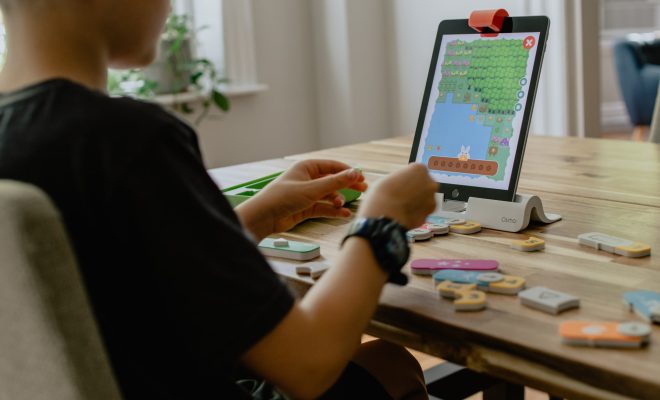
The integration of technology into classroom management practices can provide additional support for teachers. Tools such as classroom management software, learning management systems, and communication platforms can streamline processes and enhance student engagement.
Classroom Management Software: Utilizing applications designed for classroom management can help teachers track student behavior, communicate expectations, and provide real-time feedback. Features like behavior tracking, seating charts, and communication logs can enhance organization and efficiency.
Learning Management Systems: These platforms can facilitate the delivery of instructional materials, assessments, and assignments. They also allow for tracking student progress and engagement, enabling teachers to adjust their management strategies accordingly.
Communication Platforms: Tools like messaging apps and parent communication portals enable teachers to maintain open lines of communication with students and parents. This can foster a supportive learning environment and encourage collaboration in addressing behavioral issues.
Professional Development: Continuous Learning for Teachers
Ongoing professional development is vital for educators to refine their classroom management skills. Workshops, conferences, and professional learning communities can provide teachers with new insights and strategies for effective classroom management.
Workshops on Classroom Management Techniques: Attending specialized workshops can expose teachers to new strategies and best practices. These sessions often include interactive components, allowing educators to practice and receive feedback on management techniques.
Peer Collaboration: Collaborating with colleagues provides opportunities for sharing experiences and strategies. Teachers can observe each other’s classrooms, conduct joint planning sessions, and provide constructive feedback on classroom management practices.
Reflective Practice: Engaging in reflective practice allows teachers to critically assess their own management styles. Keeping a reflective journal or participating in peer observation can highlight areas for growth and development.
Conclusion: The Ongoing Journey of Classroom Management
Classroom management is a multifaceted and dynamic process that requires continuous attention and adaptation. By implementing effective strategies, fostering positive relationships, and utilizing data and technology, educators can create an optimal learning environment for their students. The journey of mastering classroom management is ongoing, but the rewards—enhanced student engagement, academic success, and a positive classroom culture—are well worth the effort.
Through dedication to their craft and a commitment to professional growth, teachers can pave the way for a transformative educational experience, ultimately shaping the future of their students.