2026 Solar Storm Surge: A Looming Threat to Our Tech World
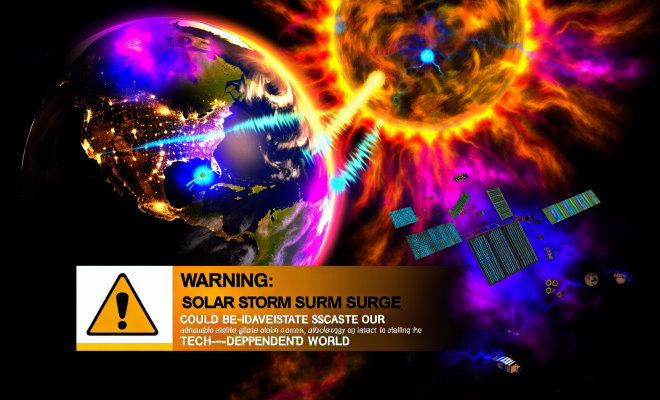
The universe has a way of reminding us of its immense power, and the latest solar storm activity is a stark reminder of just that. On May 2, 2026, NASA and the National Oceanic and Atmospheric Administration (NOAA) issued an urgent joint alert regarding a surge of powerful solar storms, marking a significant increase in geomagnetic activity that has not been witnessed since the infamous Carrington Event of 1859. With a chilling 60% probability of a major X-class flare striking Earth within 72 hours, the implications are both alarming and far-reaching.
The Carrington Event: A Historical Context
To fully grasp the seriousness of the current solar storm situation, we must first understand the historical context. The Carrington Event was a massive coronal mass ejection (CME) that occurred in 1859, resulting in one of the most powerful geomagnetic storms ever recorded. Telegraph systems worldwide failed; some operators even reported electric shocks, and stunning auroras were visible far beyond their usual locations. The aftermath highlighted the vulnerability of the technology of the time, creating a precedent for how such events could impact modern society.
The Current Solar Activity Crisis
Fast forward to 2026, and the solar storm activity we are witnessing today is reminiscent of that catastrophic event. NASA’s Space Weather Prediction Center (SWPC) has reported that these storms have already led to widespread radio blackouts, disruptions in GPS services, and temporary satellite failures. The implications of these disruptions are not just limited to inconvenience; they threaten critical sectors such as aviation, shipping, and even financial markets.
Understanding Solar Flares and Their Effects
Solar flares are intense bursts of radiation coming from the release of magnetic energy associated with sunspots. They can impact Earth in various ways, particularly when they are classified as X-class flares. These flares are the strongest category of solar flares, capable of causing significant disruptions to our planet’s technological infrastructure. The expected direct hit from an X-class flare poses serious risks, including:
- Power Grid Failures: A direct hit could overwhelm power grids, leading to outages lasting days or even longer in some regions.
- Communication Disruptions: Satellite communications would experience severe interruptions, affecting everything from television broadcasts to internet services.
- Aviation Hazards: Increased radiation levels could pose risks to aircraft flying at high altitudes, necessitating reroutes or flight cancellations.
- GPS Navigation Failures: GPS devices could provide inaccurate readings, significantly impacting transportation and logistics.
Panic Buying and Public Response
As news of the impending solar storm spreads, panic buying has erupted across the globe. Consumers are stocking up on backup generators, surge protectors, and non-perishable food items. Retailers are witnessing a surge in demand as people prepare for potential power outages and disruptions to everyday life. Online platforms such as TikTok, X, and Reddit have seen a flurry of activity, with users sharing preparedness checklists, memes, and even conspiracy theories about government readiness.
Social Media Buzz and Misinformation
Social media has become a hotbed for discussion surrounding the current solar storm threat. Users are sharing dramatic visuals of solar flares and auroras, tapping into deep-seated fears of technological collapse. While many are seeking genuine information and preparation tips, the rapid spread of misinformation has also been alarming. Some conspiracy theories suggest that governments are not adequately prepared for the potential fallout, stirring further panic among the public.
The Scientific Community Responds
In response to the urgency of the situation, experts in the scientific community are working tirelessly to predict the path of these solar storms and mitigate their impact. The NOAA’s Space Weather Prediction Center is at the forefront of this effort, providing real-time updates and forecasts about solar activity. Their goal is to inform the public and industries relying on technology about the potential impacts of solar storms.
How Prepared Are We?
A crucial question arises: how prepared are we for an event of this magnitude? While advancements have been made in understanding and predicting solar flares, the infrastructure of modern society is still highly susceptible to geomagnetic storms. Some key areas of concern include:
- Power Grids: Many power grids are not fortified against geomagnetic storms, leaving them vulnerable to potential failures.
- Communication Systems: The reliance on satellites for communication makes us particularly vulnerable during solar events.
- Data Safety: The integrity of data storage and transfer is at risk, with potential implications for financial transactions and sensitive information.
Preparing for the Solar Storm
Given the heightened risk portrayed by experts, preparation is essential. Here are some steps that individuals and families can take to mitigate the effects of a solar storm:
- Emergency Kits: Assemble emergency kits that include flashlights, batteries, food, water, and first-aid supplies.
- Alternative Power Sources: Consider investing in backup generators or solar-powered chargers.
- Stay Informed: Follow credible sources for updates on solar activity and potential impacts.
- Community Preparedness: Engage with local communities to create plans for communication and resource sharing during emergencies.
The Role of Technology in Preparedness
Ironically, as we rely more on technology for preparedness, we also find ourselves at the mercy of it. Mobile apps and websites can provide real-time alerts and information regarding solar activity, helping individuals stay updated. However, during significant solar storms, the very technology we depend on may also become compromised.
The Future of Solar Storm Prediction
While current understanding and forecasting of solar storms have improved dramatically, ongoing research is crucial. Scientists are actively working on developing better models and simulations to predict solar activity and its potential impacts on Earth. Advances in satellite technology, such as the Solar Dynamics Observatory (SDO) and the Parker Solar Probe, are paving the way for a deeper understanding of solar phenomena.
International Collaboration
Addressing the risks posed by solar storms requires international cooperation. Countries around the world must collaborate on data sharing, research, and emergency preparedness plans. By pooling resources and knowledge, we can enhance our collective ability to respond to solar storm events.
The Bigger Picture
The current surge of solar storm activity serves as a wake-up call about our dependence on technology. As we navigate this modern landscape, it is crucial to recognize the interconnectivity that binds us and the vulnerabilities inherent within it. The possibility of a solar storm causing widespread disruption should prompt us not only to prepare for the immediate fallout but also to rethink how we approach our technological infrastructure.
Conclusion
The alarm bells are ringing, and the time to act is now. With the current solar storm activity threatening to impact our way of life profoundly, being informed and prepared is our best defense. As we face the uncertainties of nature’s power, we can only hope that our collective actions, informed by scientific understanding, will guide us through these turbulent times.