Unveiled: How AI CRISPR Cellular Rejuvenation Just Rewrote the Rules of Aging
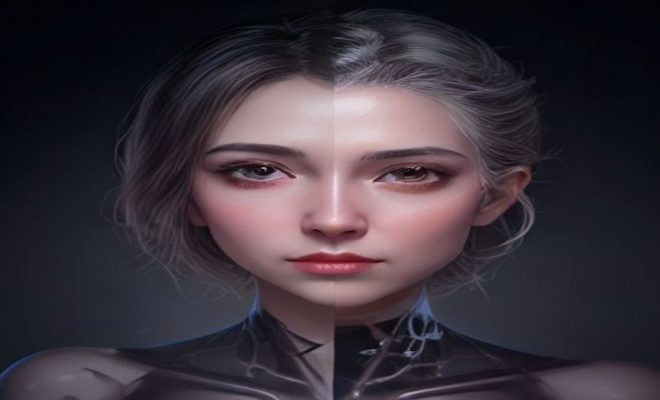
Imagine a future where the relentless march of time, at least within our cells, can be effectively turned back. It sounds like something straight out of science fiction, doesn’t it? Yet, a groundbreaking announcement from the BioGenetics Institute suggests that this once-distant dream is now nudging closer to reality. Led by the visionary Dr. Anya Sharma, a team of dedicated scientists has unveiled an AI-powered CRISPR gene-editing system that has achieved what many considered impossible: a significant reversal of age-related cellular damage. This isn’t just another incremental step; it’s a monumental leap forward, with the potential to fundamentally alter our understanding of aging and open entirely new avenues for extending human healthspan. The implications of this AI CRISPR cellular rejuvenation technology are, frankly, mind-boggling.
The study, published just this week, reports an astonishing 30% reversal of epigenetic aging markers in human cell lines. Let that sink in for a moment: 30%. That’s not a minor tweak; it’s a substantial, quantifiable rollback of the cellular clock. This isn’t about simply slowing down aging; it’s about actively reversing some of its most fundamental biological signatures. Naturally, this news has sent ripples through the scientific community and, perhaps more surprisingly, ignited a wildfire of discussion across social media platforms. The sheer audacity of ‘age reversal’ as a concept, now backed by tangible scientific data, is sparking both immense hope and intense ethical debates. We covered hiring AI talent in more detail.
The Dawn of a New Era in Longevity Science
For decades, scientists have grappled with the enigma of aging. We’ve understood that it’s a complex, multi-faceted process involving everything from telomere shortening to mitochondrial dysfunction and, critically, epigenetic alterations. Epigenetics, in particular, refers to the changes in gene expression that don’t involve alterations to the underlying DNA sequence itself. Think of it like the software that runs on your genetic hardware; as we age, this software can get buggy, leading to cells performing suboptimally or even outright malfunctioning. Reversing these epigenetic aging markers has long been considered a holy grail in longevity research.
What makes the BioGenetics Institute’s work so revolutionary is the intelligent integration of artificial intelligence with CRISPR technology. CRISPR, or Clustered Regularly Interspaced Short Palindromic Repeats, is a gene-editing tool that allows scientists to precisely cut and modify DNA sequences. It’s been hailed as one of the most significant biological breakthroughs of the 21st century, offering unprecedented control over the genetic code. However, applying CRISPR effectively to complex processes like aging, which involve a vast network of interacting genes and regulatory pathways, has always been a colossal challenge. This is precisely where the AI component enters the picture, transforming a powerful tool into an almost surgical instrument for cellular rejuvenation. For more on this, see AI Policy insights.
How AI Supercharges CRISPR for Age Reversal
The human genome is an incredibly vast and intricate instruction manual. Identifying precisely which epigenetic markers are most critical to aging, and then determining the most effective way to modify them without unintended consequences, is a task far too complex for human researchers alone. This is where AI truly shines. Dr. Sharma’s team developed sophisticated AI algorithms capable of analyzing massive datasets of genomic and epigenomic information from both young and aged human cells. These algorithms can identify patterns, correlations, and causal relationships that would be virtually invisible to the human eye, no matter how keen.
The AI essentially acts as a hyper-intelligent guide for the CRISPR system. It pinpoints the specific epigenetic ‘switches’ that have been flipped incorrectly with age and then designs the optimal CRISPR-based interventions to reset them. This targeted approach is what allows for such a remarkable 30% reversal. Instead of broad, blunt force genetic modifications, the AI CRISPR cellular rejuvenation system performs precise, nuanced edits that selectively target the most impactful age-related epigenetic changes. It’s like having a master mechanic diagnose and fix a complex engine problem by identifying the exact faulty components, rather than just replacing large, functional parts indiscriminately. This level of precision is truly a game-changer.
The Significance of a 30% Epigenetic Reversal
When we talk about a 30% reversal of epigenetic aging markers, it’s crucial to understand what that actually means in a biological context. Epigenetic clocks, like the Horvath clock, are sophisticated biomarkers that estimate biological age based on DNA methylation patterns. These clocks are incredibly accurate predictors of healthspan and even mortality risk, often correlating more strongly with these outcomes than chronological age. A 30% reversal suggests that the cells treated with this AI CRISPR system are not just ‘looking’ younger on a superficial level, but are actively behaving and functioning more like their younger counterparts.
This isn’t merely about vanity; it’s about potentially extending the period of life spent in good health, often referred to as ‘healthspan.’ Imagine reducing the risk of age-related diseases like neurodegeneration, cardiovascular disease, or certain cancers, not by treating symptoms, but by addressing the fundamental cellular processes that drive aging itself. While the current study was conducted on human cell lines in a lab setting, the implications for future human applications are profound. It lays a concrete foundation for developing therapies that could, one day, keep us healthier, more vibrant, and more resilient for longer periods. That’s the real promise of AI CRISPR cellular rejuvenation.
Ethical Quagmires and Societal Implications
Any discussion of ‘age reversal’ inevitably veers into complex ethical territory. If we can truly dial back the cellular clock, what does that mean for society? The immediate social media buzz surrounding this discovery is a testament to the fact that people are already grappling with these questions. Will this technology be accessible to everyone, or will it create an even wider chasm between the privileged few who can afford it and the rest of humanity? Who decides who gets to be ‘rejuvenated’ and for how long? (See: Nature article on CRISPR technology.)
Consider the potential strain on resources, the implications for retirement ages, and even the very definition of what it means to be human. If people are living significantly longer, healthier lives, what happens to population dynamics, social structures, and our understanding of life stages? These aren’t easy questions, and they demand careful consideration and open dialogue long before such technologies become widely available. The BioGenetics Institute’s breakthrough, while thrilling, also serves as a stark reminder that scientific progress often outpaces our ethical frameworks, forcing us to play catch-up.
The Road Ahead: From Cell Lines to Clinical Trials
While the excitement around this AI CRISPR cellular rejuvenation is absolutely warranted, it’s crucial to temper expectations with a healthy dose of scientific realism. This study, as groundbreaking as it is, was conducted on human cell lines in a laboratory. Moving from cell lines to animal models, and eventually to human clinical trials, is a long, arduous, and often unpredictable journey. There are countless hurdles to overcome, including ensuring the safety of the CRISPR delivery system, preventing off-target edits, and demonstrating sustained efficacy in a living, complex organism.
The body’s intricate systems, its immune responses, and the sheer number of cells that would need to be treated present challenges far greater than those encountered in a petri dish. However, the scientific community is nothing if not tenacious. This initial success provides a powerful proof-of-concept, a beacon guiding future research. The next steps will undoubtedly involve extensive preclinical testing in various animal models to assess both the therapeutic potential and any unforeseen side effects. Only then, with robust safety and efficacy data, can we even begin to contemplate human trials for AI CRISPR cellular rejuvenation.
Investment Opportunities and Economic Impact
The potential economic ramifications of a technology capable of significant cellular rejuvenation are enormous. This aligns perfectly with high-CPC (cost-per-click) niches that are already attracting significant investment, such as medical/healthcare, biotech investing, and online education platforms focused on health and longevity. We’re talking about a future where ‘anti-aging treatments’ move beyond cosmetics and into genuine biological intervention. Longevity clinics, which currently offer a range of therapies with varying degrees of scientific backing, could see a seismic shift in their offerings, moving towards truly transformative genetic interventions.
Affiliate opportunities are also likely to explode in health tech and genetic testing services. Imagine genetic testing services that not only tell you about your predispositions but also guide personalized AI CRISPR cellular rejuvenation therapies. The companies at the forefront of this research, and those developing the ancillary technologies like advanced AI platforms, safer CRISPR delivery systems, and sophisticated diagnostic tools, are poised for potentially unprecedented growth. This isn’t just about extending life; it’s about creating entirely new industries and markets centered around human vitality.
Dr. Anya Sharma: A Visionary at the Forefront
Behind every major scientific breakthrough, there’s often a brilliant mind, or a team of them, driving the research forward. Dr. Anya Sharma, the lead scientist at the BioGenetics Institute, is clearly one such visionary. Her leadership in integrating cutting-edge AI with the power of CRISPR demonstrates a profound understanding of interdisciplinary science and a willingness to push the boundaries of what’s considered possible. Her background likely spans both genomics and artificial intelligence, a rare and increasingly valuable combination in modern biotech.
It takes immense courage and intellectual foresight to embark on a project of this magnitude, especially one that tackles a problem as fundamental and complex as aging. Dr. Sharma’s ability to assemble and guide a team capable of achieving a 30% epigenetic reversal speaks volumes about her scientific acumen and her dedication to advancing human health. She, and her team, are not just performing experiments; they are charting a course for a future where the constraints of biological aging might one day be significantly loosened, all thanks to the sophisticated application of AI CRISPR cellular rejuvenation.
The Public’s Fascination with Immortality
Why has this news generated such massive social media buzz? Because the concept of ‘age reversal’ taps into one of humanity’s oldest and most persistent desires: the quest for eternal youth, or at least a significantly extended, healthy lifespan. From ancient myths of elixirs to modern science fiction, the idea of defying death and decay has captivated us for millennia. This study, for the first time in a truly tangible way, offers a glimpse of that possibility, moving it from the realm of fantasy to the laboratory bench.
The public’s fascination isn’t just about avoiding death; it’s often about preserving vitality, maintaining cognitive function, and extending the period of life where we can actively pursue our passions, spend time with loved ones, and contribute meaningfully to the world. The prospect of living longer, healthier lives, free from the ravages of age-related disease, resonates deeply with almost everyone. This emotional connection is precisely why AI CRISPR cellular rejuvenation is not just a scientific story, but a cultural phenomenon, sparking conversations far beyond the confines of research institutions.
Looking Ahead: A Glimpse into the Future of Healthspan
So, what does this all mean for you and me? While we’re certainly not on the cusp of walking into a clinic for a full cellular reset next year, this breakthrough undeniably accelerates our journey towards a future of extended healthspan. The integration of AI with powerful gene-editing tools like CRISPR is proving to be a potent combination, unlocking biological secrets we once thought impenetrable. This AI CRISPR cellular rejuvenation technology, even in its early stages, provides a strong signal that significant interventions against aging are not just pipe dreams, but achievable scientific goals. (See: NIH research on reversing aging.)
We’ll undoubtedly see more research emerge, refining these techniques, addressing safety concerns, and gradually moving closer to clinical applications. The ethical discussions will intensify, and society will be forced to confront profound questions about what it means to live in a world where aging is no longer an immutable fate. One thing is clear: the BioGenetics Institute, under Dr. Sharma’s leadership, has just opened a truly exhilarating chapter in the story of human longevity. The future, it seems, just got a whole lot longer, and potentially, a whole lot healthier.
The Mechanics of Epigenetic Aging: Beyond Simple Wear and Tear
To truly appreciate the magnitude of a 30% epigenetic reversal, it helps to understand the subtle yet profound ways epigenetics influences aging. It’s not just about genes themselves, but how those genes are expressed—or silenced. Think of your DNA as a vast library of cookbooks. Epigenetic marks are like sticky notes, bookmarks, or even permanent marker scribbles that tell your cellular machinery which recipes to read, how often, and which ones to ignore entirely. Over time, as we age, these marks accumulate errors. Some crucial recipes get ignored, while others, perhaps detrimental ones, get over-emphasized. This leads to cellular dysfunction, reduced repair capabilities, and increased susceptibility to disease.
Specifically, DNA methylation, a key epigenetic mark, involves adding a methyl group to a DNA base. These patterns change predictably with age, forming the basis of those epigenetic clocks. Histone modifications, another layer of epigenetic control, involve proteins around which DNA is wrapped. Changes to these histones can make DNA more or less accessible to gene-reading machinery. The AI in Dr. Sharma’s system isn’t just guessing; it’s identifying specific, critical methylation sites and histone modifications that are highly correlated with biological age and designing CRISPR-based tools to accurately restore them to a more youthful pattern. This targeted precision is what differentiates this work from earlier, less specific attempts at genetic manipulation, which often had unpredictable and sometimes harmful side effects.
The Role of Big Data in Accelerating Longevity Research
The success of this AI CRISPR cellular rejuvenation system isn’t just about the clever integration of two technologies; it’s also a testament to the power of big data. Modern genomics and epigenomics generate staggering amounts of information. A single human genome sequence is roughly 3 billion base pairs, and then you add layers of epigenetic data, RNA sequencing (transcriptomics), protein data (proteomics), and metabolic profiles (metabolomics). Traditional methods of analysis simply can’t handle this scale.
AI, particularly machine learning and deep learning algorithms, thrives on such complexity. Dr. Sharma’s team likely leveraged vast public and proprietary datasets, potentially including information from thousands of individuals across different age groups, health statuses, and genetic backgrounds. The AI can then find subtle correlations between specific epigenetic patterns and health outcomes, or identify the “signature” of a youthful cell versus an aged one. Without this ability to process and interpret petabytes of biological data, the precision required for such a targeted epigenetic reversal would be impossible. This highlights a broader trend in biomedical research: the future of medicine is inextricably linked with advanced data science and artificial intelligence.
Comparing AI CRISPR with Other Rejuvenation Approaches
It’s important to put AI CRISPR cellular rejuvenation into context with other emerging longevity strategies. The field is buzzing with innovation, and while this breakthrough is significant, it’s part of a larger tapestry of research.
- Senolytics and Senomorphics: These compounds aim to remove senescent cells (“zombie cells” that accumulate with age and contribute to inflammation and tissue damage) or modify their harmful secretions. While promising, they don’t directly reverse epigenetic aging.
- NAD+ Boosters: Supplements like NMN and NR aim to increase levels of Nicotinamide Adenine Dinucleotide (NAD+), a coenzyme vital for cellular energy and repair pathways. They support cellular health but don’t offer the precise genetic reprogramming seen with AI CRISPR.
- Partial Reprogramming (Yamanaka Factors): Inspired by Nobel Prize-winning research, this involves transiently expressing a cocktail of genes (Oct4, Sox2, Klf4, c-Myc) to induce a more youthful state. While highly effective, it carries the risk of dedifferentiation (cells losing their specialized identity) or even tumor formation if not carefully controlled. AI CRISPR, as described, appears to offer a more targeted and potentially safer approach by adjusting existing epigenetic marks rather than broadly resetting cellular identity.
- Telomere Lengthening: Focuses on extending telomeres, the protective caps at the ends of chromosomes that shorten with each cell division. While telomere shortening is a hallmark of aging, it’s one of many factors, and direct lengthening can have its own risks, like increasing cancer risk.
What makes AI CRISPR cellular rejuvenation particularly exciting is its specificity and its direct attack on one of the most fundamental mechanisms of aging – epigenetic dysregulation. It offers a degree of control and precision that many other approaches currently lack, positioning it as a potentially foundational technology for future longevity interventions.
The Broader Impact on Healthcare Systems
If AI CRISPR cellular rejuvenation progresses to human therapies, the impact on global healthcare systems would be monumental. Currently, healthcare is largely reactive, focusing on treating age-related diseases once they manifest. Imagine a paradigm shift where we could proactively prevent or significantly delay the onset of these diseases by reversing cellular aging itself.
- Reduced Disease Burden: A significant reduction in cardiovascular disease, neurodegenerative disorders (like Alzheimer’s and Parkinson’s), type 2 diabetes, and many cancers would free up immense healthcare resources. Hospitals would see fewer patients with age-related chronic conditions.
- Focus on Prevention: Healthcare could shift from a disease-management model to a true health-optimization model. Resources could be redirected towards maintaining peak health rather than managing decline.
- Economic Strain vs. Gain: While initial costs of such therapies might be high, the long-term societal savings from a healthier, more productive population could be immense. Fewer people needing long-term care, fewer lost workdays due to illness, and a more vibrant workforce could lead to significant economic gains. However, equitable access remains a critical challenge to avoid exacerbating health disparities.
- Rethinking Medical Training: Doctors and medical professionals would need retraining in genomics, epigenetics, and AI-driven precision medicine. New specialties focused on ‘longevity medicine’ or ‘rejuvenation therapy’ would emerge.
This isn’t just about individual health; it’s about fundamentally reshaping the infrastructure that supports human well-being on a global scale. The implications are so vast that governments and international bodies should already be engaging in serious discussions about how to prepare for such a future. (See: ScienceDirect study on epigenetic aging.)
FAQ: Your Questions About AI CRISPR Cellular Rejuvenation Answered
Q: What exactly is “epigenetic aging” and how does AI CRISPR reverse it?
A: Epigenetic aging refers to changes in gene expression patterns that accumulate over time, without altering the underlying DNA sequence itself. Think of it as the software that runs your genetic hardware getting buggy with age. AI CRISPR cellular rejuvenation uses artificial intelligence to identify these specific “buggy” epigenetic marks (like DNA methylation patterns) that are characteristic of older cells. Then, it deploys the CRISPR gene-editing tool to precisely modify or “reset” these marks back to a more youthful configuration, effectively “debugging” the cellular software.
Q: Is this the same as “immortality”?
A: Not at all. While the concept is exciting, a 30% reversal of epigenetic aging markers in cell lines is a significant step towards extending healthspan – the period of life lived in good health – not achieving immortality. Aging is a complex process with many facets beyond epigenetics. This technology aims to delay age-related decline and reduce the risk of age-related diseases, allowing us to live healthier, longer lives, but not indefinitely.
Q: What are the risks of using CRISPR for cellular rejuvenation?
A: The primary risks with CRISPR generally involve “off-target edits,” where the tool cuts or modifies DNA at unintended locations, potentially causing harmful mutations. There are also concerns about the delivery methods of CRISPR components into cells and potential immune responses. The AI component in this breakthrough is designed to minimize these risks by increasing the precision of the edits, but extensive safety testing in animal models and human clinical trials will be crucial to fully understand and mitigate any potential side effects.
Q: How long until this technology is available to humans?
A: While the 30% reversal in cell lines is groundbreaking, it’s a very early stage of research. Moving from laboratory cell lines to animal models, and then through multiple phases of human clinical trials, typically takes many years, often a decade or more. There are significant hurdles related to safety, efficacy, and delivery to overcome. It’s important to manage expectations; widespread human application is still a distant prospect. Understanding agent oversight offers useful background here.
Q: Will this technology be affordable and accessible to everyone?
A: That’s a major ethical concern. Early-stage, highly advanced genetic therapies are often very expensive, potentially creating a divide between those who can afford life-extending health interventions and those who cannot. Discussions around equitable access, pricing models, and public health policies will need to happen long before this technology becomes widely available to ensure it benefits all of humanity, not just a privileged few.
Q: How does this differ from traditional anti-aging creams or supplements?
A: Traditional anti-aging creams and many supplements offer superficial or marginal benefits, often targeting symptoms rather than fundamental biological processes. AI CRISPR cellular rejuvenation, on the other hand, aims to directly intervene at the genetic and epigenetic level, reversing a fundamental mechanism of cellular aging. It’s a biological intervention, not a cosmetic one, with the potential for much deeper and more lasting effects on healthspan.
Trending Now
Frequently Asked Questions
What is AI CRISPR cellular rejuvenation?
AI CRISPR cellular rejuvenation is a groundbreaking gene-editing technology that uses artificial intelligence to enhance the CRISPR system. It aims to reverse age-related cellular damage, as demonstrated by a recent study showing a 30% reversal of epigenetic aging markers in human cell lines, potentially altering our understanding of aging.
How does CRISPR technology work in aging research?
CRISPR technology works by precisely editing genes to modify their expression without altering the DNA sequence itself. In aging research, it targets epigenetic changes that contribute to aging, enabling scientists to potentially reverse cellular damage and rejuvenate cells, thereby extending healthspan.
What are the implications of reversing aging at the cellular level?
Reversing aging at the cellular level could significantly extend human healthspan, allowing individuals to live healthier, longer lives. This breakthrough raises ethical questions about the nature of aging, societal impacts, and the potential for unequal access to such life-altering technologies.
What did the recent study on AI CRISPR reveal?
The recent study revealed that an AI-powered CRISPR system achieved a remarkable 30% reversal of epigenetic aging markers in human cell lines. This finding suggests that not only can aging be slowed down, but some aspects of it can be actively reversed, offering new insights into longevity science.
What are the ethical concerns surrounding age reversal technology?
Ethical concerns surrounding age reversal technology include the potential for exacerbating social inequalities, the implications of extending human life, and the moral considerations of 'playing God' with natural processes. As this technology develops, it prompts essential discussions about its responsible use in society.
Have you experienced this yourself? We'd love to hear your story in the comments.