Boost Engagement: Gaming’s Sub-Content Strategies Fight Fatigue
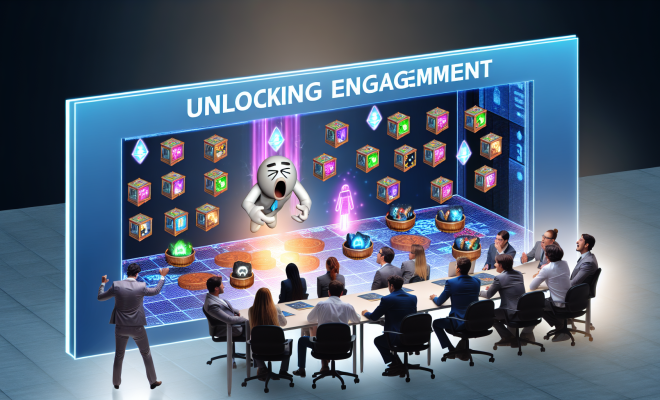
The Evolution of Player Engagement in Gaming
The gaming industry has long been a cornerstone of entertainment, evolving rapidly over the decades. As technology advances and player expectations rise, developers find themselves in a constant battle to maintain user engagement. Recent trends indicate a significant shift towards prioritizing sub-content, aimed at extending user engagement and combating the fatigue that often accompanies traditional gameplay structures.
The Challenge of User Fatigue
User fatigue is a growing concern in the gaming community, particularly in titles that focus heavily on a single, linear storyline. Industry insiders have observed that games offering a solitary path through their main narrative tend to experience quicker drop-offs in player engagement. Once players complete the main story, they often feel little incentive to continue exploring the game.
Key Statistics:
- Many players abandon games shortly after completing the main quest, leading to decreased retention rates.
- Research shows that players are more likely to return to games that offer diverse content options.
This trend has prompted developers to rethink their strategies and enhance user engagement through sub-content—additional missions, side quests, and interactive experiences that extend beyond the primary storyline.
What is Sub-Content?
Sub-content refers to any supplementary material or gameplay elements that exist outside the main narrative arc of a game. This can include, but is not limited to:
- Side quests that offer rewards and additional lore.
- Mini-games that provide a break from main missions.
- Community events and challenges that encourage player collaboration.
- Cosmetic customization options that allow players to personalize their gaming experience.
By providing a rich tapestry of experiences, developers can keep players invested long after they finish the main storyline.
Why Sub-Content Matters
Implementing sub-content strategies can significantly enhance player retention and satisfaction. Here are several reasons why this approach is gaining traction:
Diversifying the Player Experience
Games that offer varied content provide players with the freedom to explore at their own pace. This flexibility is essential in an era where players seek personalized experiences. Sub-content allows players to engage with the game world in a way that feels authentic to them, creating a sense of ownership over their gaming journey.
Building Community Engagement
Incorporating sub-content fosters community interaction. Events, challenges, and cooperative gameplay elements encourage players to connect, share experiences, and form bonds within the gaming community. This social aspect can lead to prolonged engagement, as players return not just for the game, but for the community surrounding it.
Encouraging Exploration
Sub-content incentivizes players to explore the game world. With side quests and additional missions, players are encouraged to delve deeper into the lore and mechanics of the game, enhancing their overall experience. This exploration can uncover hidden gems within the game, ensuring that each playthrough offers something new.
Case Studies of Successful Sub-Content Implementation
Several games have effectively implemented sub-content strategies, showcasing the benefits of this approach:
1. The Witcher 3: Wild Hunt
CD Projekt Red’s The Witcher 3: Wild Hunt is a prime example of successful sub-content integration. The game offers a vast open world filled with side quests that not only provide rewards but also contribute to the overarching narrative. Players can choose to engage in monster hunts, treasure quests, or even romance subplots, ensuring that the experience remains fresh and engaging.
2. Grand Theft Auto V
Grand Theft Auto V (GTA V) has mastered the art of sub-content with its sprawling environment and myriad side activities. Players can engage in everything from heists to sports, fostering a diverse gaming experience that keeps them returning long after completing the main storyline.
3. Destiny 2
Bungie’s Destiny 2 continuously evolves its gameplay with seasonal content updates that introduce new activities, quests, and challenges. This model not only keeps the game fresh but also encourages a dedicated player base that eagerly anticipates new releases.
Challenges in Implementing Sub-Content
While the benefits of sub-content are clear, developers face several challenges in its implementation:
Resource Allocation
Creating high-quality sub-content requires significant resources, including time, money, and skilled personnel. Developers must strike a balance between producing compelling main narratives and engaging sub-content without overextending their teams.
Maintaining Quality
As developers churn out more content, there is a risk of diluting quality. Sub-content must be carefully crafted to ensure it meets the same standards as the main storyline, or it could lead to player dissatisfaction.
Player Expectations
In an age of rapid content consumption, players expect frequent updates and new content. Meeting these expectations can be daunting, especially for smaller studios with limited resources.
The Future of Sub-Content in Gaming
As the gaming landscape continues to evolve, the prioritization of sub-content is likely to become more pronounced. Developers are recognizing the importance of crafting engaging experiences that extend beyond the main narrative. Here are some potential future trends:
Increased Use of Procedural Generation
Procedural generation technology could allow developers to create vast amounts of sub-content with reduced resource investment. By automating certain aspects of game design, studios can focus on crafting unique experiences for players without the burden of extensive manual labor.
Enhanced Virtual Reality Experiences
With the rise of virtual reality (VR) gaming, developers are exploring how sub-content can enhance immersive experiences. Side quests and interactive environments in VR can offer players a deeply engaging experience that resonates beyond traditional gaming.
Community-Driven Content Creation
Encouraging community contributions can lead to innovative sub-content. By allowing players to create and share their own quests, challenges, and stories, developers can maintain a dynamic game world that evolves with its player base.
Conclusion
The gaming industry is undergoing a transformation as it adapts to the challenges of user engagement. Shifting focus to sub-content offers a viable solution to combat user fatigue and prolong engagement. By embracing diverse content strategies, developers can create richer, more engaging experiences that resonate with players long after they complete the main storyline.
As the industry continues to evolve, the emphasis on sub-content will likely shape the future of how games are designed, played, and enjoyed. With the right balance of quality and quantity, the gaming world is poised for a new era of interactive storytelling and player engagement.