ADHD & Emotional Intelligence in Kids: A Critical Link
“`html
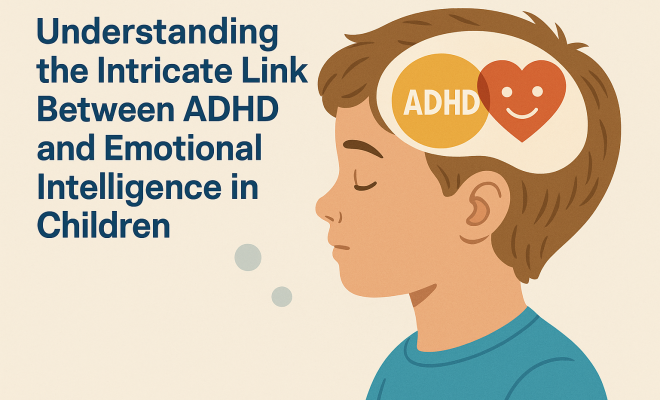
When it comes to understanding children’s behavior, two terms that frequently arise are ADHD (Attention-Deficit/Hyperactivity Disorder) and emotional intelligence. But how do they connect? The relationship between ADHD and emotional intelligence in children is both complex and critical, affecting not just academic performance but social interactions as well. In this article, we’ll explore this intricate bond, offering insights into how ADHD influences emotional intelligence and what parents, educators, and caregivers can do to support children facing these challenges.
Understanding ADHD: A Brief Overview
ADHD is one of the most common neurodevelopmental disorders in children, characterized by persistent patterns of inattention, hyperactivity, and impulsivity. According to the Centers for Disease Control and Prevention (CDC), approximately 6.1 million children in the United States have been diagnosed with ADHD. The symptoms can vary widely; some children might struggle with focusing on tasks, while others may find it difficult to regulate their emotions.
Diagnosing ADHD involves a comprehensive evaluation that looks at the child’s behavior in multiple settings, such as home and school. Importantly, ADHD is not merely a result of bad parenting or lack of discipline. It’s a medical condition that can significantly impact a child’s life, including their emotional well-being.
What is Emotional Intelligence?
Emotional intelligence (EI) refers to the ability to recognize, understand, and manage our own emotions, as well as those of others. Daniel Goleman, a prominent psychologist, highlights five key components of emotional intelligence: self-awareness, self-regulation, motivation, empathy, and social skills. For children, developing EI is crucial for building healthy relationships, achieving academic success, and coping effectively with stress.
Research has shown that children with high emotional intelligence tend to perform better academically and socially. They are often better at resolving conflicts and maintaining friendships. However, the development of emotional intelligence can be particularly challenging for children with ADHD, raising the question of how these two domains interact.
The Intersection of ADHD and Emotional Intelligence
Children with ADHD may face unique challenges that can hinder their emotional intelligence development. For example, impulsivity can lead to rash reactions in social situations, affecting their ability to empathize with peers. Similarly, difficulties with attention can obstruct the capacity to recognize emotional cues in others.
Studies indicate that children with ADHD often struggle with the emotional regulation component of emotional intelligence. A 2016 study published in the journal Psychology in the Schools found that children with ADHD scored lower in emotional awareness compared to their peers without the disorder. Such findings suggest that the challenges faced by children with ADHD extend beyond academic performance, impacting their social and emotional lives as well.
Key Challenges Faced by Children with ADHD in Developing EI
Children with ADHD typically encounter several hurdles that can impede the development of emotional intelligence, including:
- Difficulty with Emotional Regulation: Children with ADHD often struggle to manage their emotions effectively, leading to outbursts or extreme reactions.
- Impulsivity: Impulsive behavior can result in social misunderstandings, as these children may interrupt others or fail to take turns, making it hard for them to build friendships.
- Inattention: Inattentiveness may cause them to miss social cues, which can hinder their ability to respond appropriately in various situations.
- Social Skills Deficits: Many children with ADHD struggle with the nuances of social interactions, which are intricately tied to emotional intelligence.
Strategies to Foster Emotional Intelligence in Children with ADHD
Despite the challenges, there are effective strategies that parents and educators can implement to help children with ADHD develop their emotional intelligence:
1. Teach Emotional Awareness
Start by helping children identify and understand their emotions. Use simple language and age-appropriate tools such as emotion charts or feelings flashcards. Encourage children to express what they feel and validate their emotions, reinforcing that it’s okay to feel a range of emotions.
2. Model Emotional Regulation
Children learn a great deal from observing adults. Model emotional regulation by demonstrating how to cope with frustration or disappointment. Use real-life examples, narrating your thought process when managing emotions. This can help children understand appropriate responses and coping mechanisms.
3. Encourage Empathy
Empathy is a cornerstone of emotional intelligence. Activities that promote perspective-taking, such as storytelling or role-playing, can help children understand and relate to others’ feelings. Ask questions like, “How do you think that made them feel?” to cultivate empathy. (See: CDC ADHD Facts.)
4. Foster Social Skills
Teaching children specific social skills can significantly enhance their emotional intelligence. Role-playing different social scenarios allows children to practice appropriate responses in a safe environment. Reinforce good social behavior and provide constructive feedback after social interactions.
5. Utilize Mindfulness Practices
Mindfulness techniques can aid children with ADHD in focusing their attention and managing their emotions. Simple practices like deep breathing, meditation, or yoga can help enhance their self-regulation and awareness of their emotional states.
The Role of Schools in Supporting Emotional Intelligence
Schools play a pivotal role in fostering emotional intelligence among children, particularly those struggling with ADHD. Here are several ways educational institutions can help:
1. Social-Emotional Learning (SEL) Programs
Implementing SEL programs can be incredibly beneficial. These programs focus on teaching emotional regulation, empathy, and social skills, creating a supportive environment for all students. Schools can develop structured lessons aimed at enhancing the emotional intelligence of children, specifically targeting those with ADHD.
2. Teacher Training
Teachers equipped with knowledge about ADHD and emotional intelligence can make a significant difference. Training educators to recognize the unique challenges faced by these students can lead to better classroom management and support strategies. By fostering a deeper understanding among teachers, children with ADHD can receive tailored support that promotes their emotional development.
3. Creating a Safe Learning Environment
A positive school climate is vital for emotional development. Schools should prioritize creating an inclusive environment where all children feel safe, respected, and valued. This can enhance children’s willingness to express their emotions and seek help when needed.
4. Collaboration with Parents
Schools should actively involve parents in the emotional development of their children. This can be achieved through workshops, support groups, and regular communication. A partnership approach allows for consistent reinforcement of emotional intelligence strategies between home and school.
Current Research and Trends
Recent research continues to shed light on the nuanced relationship between ADHD and emotional intelligence in children. Studies have identified that children with ADHD often experience co-occurring conditions like anxiety and depression, further complicating their emotional landscape. Understanding these comorbidities is crucial for developing comprehensive support strategies.
Furthermore, researchers are exploring the impact of technology on emotional development. Online social interactions, especially among children with ADHD, can either hinder or help emotional intelligence depending on how technology is used. For instance, video games might provide opportunities for teamwork and cooperation, but excessive screen time can detract from face-to-face social learning.
Long-term Implications of Emotional Intelligence Development
The development of emotional intelligence in children with ADHD can have profound long-term implications. Research suggests that strong emotional intelligence is linked to better mental health, improved academic performance, and enhanced relationships in adulthood. When children learn to manage their emotions and understand those of others, they are better equipped to navigate life’s challenges.
Moreover, fostering emotional intelligence can empower these children, helping them to advocate for themselves in social and academic settings. This skill can lead to greater resilience, enabling them to cope effectively with stress and setbacks as they grow older.
The Importance of Building a Support System
Ultimately, the journey to enhancing emotional intelligence in children with ADHD is not a solitary one. A solid support system that includes parents, teachers, therapists, and peers is essential. By working together, these individuals can create a nurturing environment that promotes emotional growth.
Encourage open dialogue about feelings and experiences. Share stories of overcoming challenges and celebrate successes, no matter how small. This will not only build emotional intelligence but also create a sense of belonging and community for children navigating the complexities of ADHD.
Addressing Misconceptions About ADHD and Emotional Intelligence
There are several misconceptions about ADHD and emotional intelligence that can hinder the support children receive. Understanding these myths can clear up confusion and foster a more supportive environment for children: (See: NIH ADHD Diagnosis Information.)
- Myth 1: Children with ADHD Don’t Care About Others: This is a common misconception. While children with ADHD may struggle to empathize due to impulsivity or inattentiveness, it doesn’t mean they lack care or compassion. They often desire connection but may find it challenging to navigate social cues.
- Myth 2: Emotional Intelligence Can’t Be Taught: Some people believe that emotional intelligence is an innate trait that cannot be developed. However, research shows that emotional intelligence can be cultivated through education and practice, especially in children.
- Myth 3: ADHD is Just a School Problem: Many view ADHD as a challenge that only affects academic settings. In reality, ADHD impacts all aspects of life, including relationships and emotional well-being. Addressing emotional intelligence is crucial for overall development.
Expert Perspectives on ADHD and Emotional Intelligence
Insights from experts in psychology and education can help shed light on the complexities of ADHD and emotional intelligence:
Dr. Lisa McLeod, a child psychologist, notes, “Kids with ADHD often feel overwhelmed by their emotions, which makes it difficult for them to connect with peers. Teaching them emotional regulation strategies from a young age can set the foundation for healthy relationships and self-awareness.”
Similarly, educator Jane Smith emphasizes the role of schools in addressing these issues. “It’s vital for schools to integrate emotional intelligence into their curriculum, especially for students with ADHD. When teachers facilitate discussions about emotions, it helps children learn how to express themselves and understand their peers better.”
A Comprehensive FAQ on ADHD and Emotional Intelligence
1. Can children with ADHD develop emotional intelligence?
Absolutely! While they may face challenges, targeted strategies and consistent support can significantly enhance their emotional intelligence.
2. What are the signs of low emotional intelligence in children with ADHD?
Signs may include difficulty empathizing with others, frequent emotional outbursts, challenges in maintaining friendships, and an inability to recognize their own emotions.
3. Are there specific therapies that help with emotional intelligence in children with ADHD?
Yes, therapies such as Cognitive Behavioral Therapy (CBT) and social skills training can be beneficial in promoting emotional awareness and regulation.
4. How can parents measure their child’s emotional intelligence?
Parents can observe their child’s ability to identify and articulate feelings, respond to social situations, and maintain relationships. Tools such as emotional check-ins can also help gauge progress.
5. What role does peer interaction play in developing emotional intelligence for children with ADHD?
Peer interactions are crucial as they provide real-life opportunities for children to practice empathy, conflict resolution, and emotional regulation. Structured playdates or group activities can enhance these skills.
6. Is there a link between emotional intelligence and academic success?
Yes, studies suggest that children with higher emotional intelligence tend to perform better academically. They are better equipped to handle stress and navigate social dynamics in school.
New Perspectives on ADHD and Emotional Intelligence
As awareness regarding ADHD and emotional intelligence continues to grow, new perspectives are emerging about how to support affected children. One notable trend is the integration of emotional intelligence training into therapeutic practices. Programs focusing on both ADHD management and emotional intelligence are showing promising results. For example, therapists have begun incorporating play therapy techniques that allow children to express emotions in a non-threatening manner while also working on impulse control and attention.
Additionally, technology has also found a place in this space. Apps designed to teach emotional regulation skills are becoming more popular. These apps often include games and interactive exercises that help children with ADHD practice emotional recognition and response in a fun and engaging way. Reports suggest that these tools can improve emotional awareness and regulation skills, making them a valuable addition to traditional methods.
The Role of Family Dynamics
Family dynamics significantly influence the emotional development of children with ADHD. Families that prioritize emotional discussions and support create a safe space for children to express their feelings. Engaging in regular family meetings can be an effective way to explore feelings in a structured environment. Such meetings provide opportunities to practice emotional expression and enhance listening skills.
Moreover, siblings can play a vital role in emotional intelligence development. They can model social interactions and provide real-time feedback on emotional responses. Encouraging siblings to work together on collaborative projects can also foster empathy and teamwork, enhancing emotional intelligence.
Case Studies and Real-Life Examples
Real-life examples can illustrate the success of various strategies in enhancing emotional intelligence among children with ADHD. One case involved a 10-year-old boy named Sam, who struggled with impulsivity and emotional outbursts. His parents enrolled him in a mindfulness program specifically designed for children with ADHD.
Over the course of several months, Sam learned mindfulness techniques like deep breathing and guided imagery, which helped him manage his emotional responses better. His teachers reported noticeable improvements in his behavior and interactions with peers. Sam also began to participate more in class discussions, indicating a better understanding of his feelings and those of others.
Another case study focused on a group of children with ADHD who participated in an SEL program in their school. These children engaged in activities that involved role-playing, empathy exercises, and emotional regulation strategies. The school followed the children over a year, and results showed a marked improvement in their social skills, increased ability to empathize, and fewer behavioral incidents.
Future Directions in Research
As we continue to explore the intersection of ADHD and emotional intelligence, future research will likely focus on understanding the neurobiological aspects of both. This includes exploring how brain functions associated with emotional processing differ in children with ADHD. Understanding these mechanisms could lead to more effective interventions and support strategies.
Additionally, research may expand on the role of environmental factors, such as socioeconomic status and cultural background, on the development of emotional intelligence in children with ADHD. By understanding these contextual factors, tailored support systems can be developed to better serve diverse populations.
Conclusion: Moving Forward with Awareness and Understanding
The connection between ADHD and emotional intelligence in children is multifaceted and critical for their holistic development. While children with ADHD may face significant challenges in developing their emotional intelligence, understanding these challenges opens doors to effective strategies for support.
By actively fostering emotional intelligence through targeted interventions, education, and strong support networks, we can empower children with ADHD to thrive emotionally and socially. As we move forward, increasing awareness and understanding can lead to more inclusive practices that benefit all children, regardless of their unique challenges.
“`
Trending Now
- Educators & LinkedIn: There Is a Place for You
- Understanding Why ADHD Students Face Challenges in Pragmatic Language Skills
- read the full story
- this guide on empowering young minds: 9 ways to enhance pragmatic language development in preschool
- Decoding Language: How Pragmatics, Semantics, and Syntax Shape Communication
Frequently Asked Questions
How does ADHD affect emotional intelligence in children?
ADHD can impact emotional intelligence by making it difficult for children to regulate their emotions and understand social cues. Children with ADHD may struggle with self-awareness and empathy, which are crucial components of emotional intelligence, leading to challenges in social interactions and relationships.
What are the symptoms of ADHD in children?
Symptoms of ADHD in children include persistent patterns of inattention, hyperactivity, and impulsivity. These may manifest as difficulty focusing on tasks, trouble organizing activities, excessive fidgeting, and interrupting others during conversations.
Can children with ADHD improve their emotional intelligence?
Yes, children with ADHD can improve their emotional intelligence through targeted interventions such as social skills training, emotional regulation strategies, and supportive environments provided by parents and educators. These approaches help enhance their self-awareness and empathy.
What is the importance of emotional intelligence for children?
Emotional intelligence is essential for children as it helps them build healthy relationships, achieve academic success, and cope with stress effectively. High emotional intelligence enables children to understand and manage their emotions, which is vital for personal and social development.
How is ADHD diagnosed in children?
ADHD is diagnosed through a comprehensive evaluation that assesses a child's behavior across various settings, including home and school. This process involves gathering information from parents, teachers, and standardized behavior assessments to determine the presence of ADHD symptoms.
Agree or disagree? Drop a comment and tell us what you think.