Postpartum Psychosis: A Legal Defense for Murder in 2026?
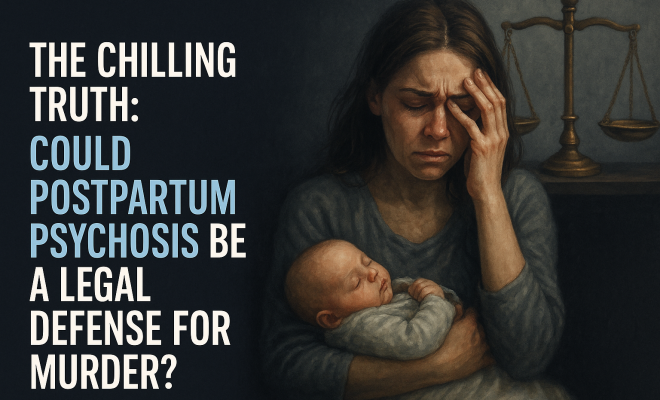
The Unfolding Tragedy and the Lindsay Clancy Postpartum Psychosis Trial
The human mind is a complex, often fragile thing, and few areas reveal its vulnerabilities more acutely than the period surrounding childbirth. For many, it’s a time of immense joy, profound connection, and the blossoming of new life. But for a harrowing few, it can descend into a terrifying landscape of mental collapse. This stark contrast is at the heart of the deeply unsettling and widely watched murder trial of Lindsay Clancy, which commenced on July 27, 2026. Accused of the unimaginable crime of strangling her three young children – 5-year-old Cora, 3-year-old Dawson, and 8-month-old Callan – Clancy’s defense team is mounting a powerful, emotionally charged argument: that she was in the throes of severe postpartum psychosis when these horrific events unfolded. This isn’t just a legal battle; it’s a societal reckoning with the darkest corners of maternal mental health, the ethical complexities of mental illness as a legal defense, and our collective understanding of postpartum conditions.
The case has ignited a firestorm of discussion across dinner tables, social media platforms, and legal forums. It forces us to confront uncomfortable questions: Can a mother, driven by a severe mental illness, truly be held fully accountable in the same way as someone acting with clear intent? What are the boundaries of legal culpability when the mind itself is compromised? And perhaps most pressingly, what does this say about the support systems – or lack thereof – for new mothers grappling with profound mental health challenges? The Lindsay Clancy postpartum psychosis trial isn’t merely about one woman’s fate; it’s a crucial lens through which we’re examining how our legal and medical systems intersect when sanity itself is on trial.
Understanding Postpartum Psychosis: More Than Just ‘Baby Blues’
To truly grasp the defense’s position, we need to understand what postpartum psychosis actually entails. This isn’t the ‘baby blues,’ which affects up to 80% of new mothers and typically involves mild mood swings, anxiety, and tearfulness, resolving within a couple of weeks. Nor is it postpartum depression, a more severe and persistent form of depression affecting around 15% of women after childbirth, characterized by intense sadness, hopelessness, and difficulty bonding with the baby. top mental health programs offers useful background here.
Postpartum psychosis, by contrast, is a medical emergency. It’s rare, affecting approximately 1 to 2 out of every 1,000 new mothers, but its severity is extreme. It typically manifests rapidly, often within the first two weeks after delivery, though it can appear up to a few months later. The condition is marked by a sudden onset of symptoms that can include delusions (fixed, false beliefs, often bizarre or paranoid), hallucinations (seeing, hearing, or feeling things that aren’t there), severe mood swings (from euphoria to profound depression), disorganized thinking, paranoia, confusion, and a loss of touch with reality. A mother experiencing postpartum psychosis might believe her baby is possessed, that she or the baby is in grave danger, or that she has a divine mandate to harm herself or her child. The risk of infanticide or suicide in these cases is tragically high, underscoring the urgency of immediate medical intervention.
The exact causes are not fully understood, but it’s believed to be triggered by a confluence of factors, including extreme hormonal shifts after childbirth, genetic predisposition (especially a personal or family history of bipolar disorder or schizophrenia), sleep deprivation, and psychological stress. It’s a devastating condition that can transform a loving parent into someone utterly unrecognizable, trapped in a nightmare of their own mind’s making. This clinical understanding is paramount in the context of the Lindsay Clancy postpartum psychosis trial, as it directly informs the legal argument about her mental state at the time of the alleged crimes.
The Legal Labyrinth: Insanity Defense in the Spotlight
The defense’s strategy in the Lindsay Clancy postpartum psychosis trial hinges on the insanity defense, a legal concept that is as old as it is controversial. In essence, an insanity defense argues that a defendant should not be held criminally responsible for their actions if, at the time of the offense, they were suffering from a severe mental disease or defect that prevented them from understanding the nature of their actions, or knowing that their actions were wrong. Different jurisdictions employ varying standards for the insanity defense, with the most common being the M’Naghten Rule, the irresistible impulse test, and the ALI (American Law Institute) test.
The M’Naghten Rule, prevalent in many states, asks whether the defendant knew the nature and quality of the act he was doing, or, if he did know it, that he did not know he was doing what was wrong. The irresistible impulse test adds a layer, considering whether the defendant, even if knowing the act was wrong, was compelled by a mental disease to commit it. The ALI test, often seen as broader, states that a person is not responsible for criminal conduct if, at the time of such conduct, as a result of mental disease or defect, he lacks substantial capacity either to appreciate the criminality of his conduct or to conform his conduct to the requirements of law. (See: Postpartum mental health facts.)
Applying any of these standards to a case involving postpartum psychosis is incredibly complex. Prosecutors will likely argue that Clancy’s actions, however tragic, demonstrated a degree of planning or awareness, suggesting she knew what she was doing was wrong. The defense, however, will present expert psychiatric testimony to illustrate how the delusions and disorganization inherent in postpartum psychosis can utterly dismantle a person’s capacity for rational thought and moral judgment. This isn’t about excusing a horrific act, they will contend, but about understanding the profound mental impairment that precipitated it. The outcome of the Lindsay Clancy postpartum psychosis trial will inevitably influence how such defenses are viewed and argued in future cases, setting significant precedents.
The Role of Expert Testimony: Unpacking a Fractured Mind
In cases involving an insanity defense, expert psychiatric and psychological testimony becomes the bedrock of the defense’s argument. These professionals are tasked with the unenviable job of reconstructing a defendant’s mental state at the precise moment of the alleged crime, often months or even years later. They will meticulously review medical records, police reports, and witness statements, and conduct extensive interviews with the defendant and those close to her.
For the Lindsay Clancy postpartum psychosis trial, forensic psychiatrists will delve deep into Clancy’s history, looking for any prior mental health struggles, particularly during or after previous pregnancies. They will analyze her behavior leading up to the tragedy, seeking evidence of the rapid onset of severe symptoms characteristic of postpartum psychosis – sudden mood shifts, paranoia, sleep disturbances, and delusional thinking. They will also need to differentiate postpartum psychosis from other conditions that might mimic its symptoms but don’t meet the legal criteria for insanity, such as severe depression with psychotic features or substance-induced psychosis.
The prosecution, of course, will also bring its own mental health experts. Their role will be to challenge the defense’s interpretation, perhaps arguing that Clancy’s symptoms, while present, did not reach the threshold of legal insanity, or that her actions demonstrated a level of intent or awareness inconsistent with a complete break from reality. This battle of experts will be crucial, as the jury, composed of laypeople, will rely heavily on their interpretations to navigate the incredibly nuanced and often counter-intuitive landscape of a severely fractured mind. The weight of this testimony in the Lindsay Clancy postpartum psychosis trial cannot be overstated.
Societal Stigma and Maternal Mental Health
Beyond the courtroom drama, the Lindsay Clancy postpartum psychosis trial has thrown a harsh spotlight on the pervasive societal stigma surrounding maternal mental health. For far too long, conditions like postpartum depression and, especially, postpartum psychosis, have been shrouded in silence, shame, and misunderstanding. New mothers are often expected to embody an idealized image of maternal bliss, making it incredibly difficult for those struggling to seek help. They fear judgment, fear having their children removed, and often internalize the belief that they are ‘bad mothers’ for not experiencing the expected joy.
This stigma has real, devastating consequences. It leads to underreporting, misdiagnosis, and inadequate treatment. Many women suffer in silence, their symptoms escalating to dangerous levels before anyone intervenes. The tragedy of the Clancy case serves as a stark, albeit horrifying, reminder of the potential cost of this silence. It underscores the urgent need for universal screening for maternal mental health conditions, better education for healthcare providers, and readily accessible, affordable mental health services for new mothers.
The public discourse surrounding this trial, while often sensationalized, also presents an opportunity. It forces us to talk about the ‘unthinkable’ and to acknowledge that severe mental illness can affect anyone, even loving mothers. If this trial can contribute to breaking down some of the barriers to seeking help and foster greater empathy for those struggling, then perhaps some good can emerge from such profound sorrow. The ongoing discussions around the Lindsay Clancy postpartum psychosis trial are a critical moment for raising awareness and demanding systemic change in how we approach maternal well-being.
Preventative Measures and Early Intervention: A Critical Need
One of the most agonizing aspects of cases like Lindsay Clancy’s is the question of whether this tragedy could have been prevented. While postpartum psychosis is rare, it is also highly treatable, especially with early intervention. The key lies in recognizing the warning signs and getting immediate professional help. This isn’t something a new mother can ‘snap out of’; it requires urgent medical attention, often including hospitalization, medication (antipsychotics, mood stabilizers), and intensive therapy. (See: Postpartum psychosis overview.)
What does effective prevention and early intervention look like? It begins with comprehensive prenatal and postpartum care that actively screens for mental health risks. This means not just asking a perfunctory question during a six-week check-up, but engaging in ongoing, sensitive conversations about mood, sleep, anxiety, and any unusual thoughts or feelings. Healthcare providers need better training to identify the subtle, and sometimes overt, signs of psychosis. Furthermore, there needs to be a clear, accessible pathway for referral to specialized perinatal mental health services.
Beyond the medical system, robust community support networks are vital. Partners, family members, and friends need to be educated about the red flags of postpartum psychosis and empowered to act if they notice concerning changes. Creating an environment where mothers feel safe to express their struggles without fear of judgment is paramount. The Lindsay Clancy postpartum psychosis trial highlights that our current systems often fall short, leaving vulnerable mothers to navigate a treacherous mental health landscape alone. Investing in these preventative measures isn’t just a medical imperative; it’s a societal responsibility to protect both mothers and their children.
The Broader Implications for Criminal Justice
The Lindsay Clancy postpartum psychosis trial holds significant implications beyond the immediate facts of the case, potentially shaping the future of criminal justice when mental illness is a central defense. The verdict, whatever it may be, will inevitably be dissected by legal scholars, mental health advocates, and prosecutors alike. If Clancy is found not guilty by reason of insanity, it will underscore the legal system’s recognition of severe mental illness as a mitigating factor in even the most heinous crimes, potentially influencing how future cases involving similar conditions are prosecuted and defended.
Conversely, if she is found guilty, it could signal a more stringent interpretation of the insanity defense, perhaps leading to calls for reform or greater skepticism regarding mental health claims in court. This trial also touches upon the broader debate about culpability versus treatment. Should individuals suffering from profound mental illness be incarcerated, or should the primary focus be on long-term psychiatric treatment and rehabilitation? These are not easy questions, and there are valid arguments on both sides.
Moreover, the trial’s visibility could prompt a re-examination of how mental health assessments are conducted in the criminal justice system, from initial police interactions to competency evaluations and sentencing. It forces us to confront the limitations of a system often designed around notions of free will and intent, when in reality, the human mind can be profoundly compromised. The outcome of the Lindsay Clancy postpartum psychosis trial will undoubtedly contribute to the ongoing evolution of how our legal framework grapples with the complexities of mental illness and criminal responsibility.
The Emotional Toll on All Involved
While the legal arguments and societal implications are vast, it’s crucial not to lose sight of the immense human tragedy at the core of the Lindsay Clancy postpartum psychosis trial. This case has exacted an unfathomable emotional toll on everyone involved. For the Clancy family, particularly the children’s father, Patrick Clancy, the pain is unimaginable. He has lost his children and, in a profound and complex way, his wife. The grief, anger, confusion, and love he must be experiencing are beyond comprehension. His journey through this trial is one of unimaginable anguish, seeking justice while simultaneously grappling with the devastating reality of his family’s destruction. (See: Statistics on mental illness.)
For Lindsay Clancy herself, if the defense’s claims are true, she is not only facing potential lifelong imprisonment but also the agonizing prospect of confronting the reality of what she may have done, potentially without full awareness or intent at the time. Living with that knowledge, regardless of the legal outcome, is a life sentence in itself. The jurors, too, bear a heavy burden. They must listen to horrific details, grapple with complex medical and legal concepts, and ultimately make a decision that will profoundly affect lives, all while confronting the raw emotion of such a devastating case.
And what about the legal teams, the expert witnesses, and even the public following the case? The constant exposure to such intense suffering and debate about the nature of evil and mental illness can be deeply unsettling. This trial is a stark reminder that behind every legal proceeding, there are real people experiencing profound pain, and their suffering should never be overlooked in the quest for understanding or justice. The Lindsay Clancy postpartum psychosis trial is a human story of the highest, most heartbreaking order.
Looking Ahead: What Does Justice Mean Here?
As the Lindsay Clancy postpartum psychosis trial proceeds, the question of what constitutes ‘justice’ in such a uniquely tragic and complex situation looms large. Is justice served by a conviction that punishes the perpetrator, even if that perpetrator was severely mentally ill? Or is justice found in a verdict that acknowledges the profound impact of mental illness, perhaps leading to long-term psychiatric care rather than incarceration?
There is no easy answer, and different people will undoubtedly have different perspectives shaped by their understanding of mental illness, their legal philosophies, and their emotional responses to the horrific facts. For some, justice demands accountability for the loss of three innocent lives, regardless of the mother’s mental state. For others, true justice would involve a recognition that a severe medical condition stripped a woman of her sanity, turning her into a vessel for actions she would never otherwise commit, and that her place is in a therapeutic setting, not a prison.
Ultimately, the jury in the Lindsay Clancy postpartum psychosis trial will be tasked with applying the law to the facts as presented, guided by expert testimony and legal precedent. Their decision will not only determine Lindsay Clancy’s fate but will also contribute to the ongoing, evolving societal conversation about maternal mental health, legal responsibility, and how we, as a society, respond when the unimaginable occurs. It’s a trial that will stay with us long after the verdict is read, forcing us to continually re-evaluate our understanding of compassion, culpability, and the fragile nature of the human mind.
Trending Now
Frequently Asked Questions
What is postpartum psychosis?
Postpartum psychosis is a severe mental health condition that can occur after childbirth, characterized by symptoms such as hallucinations, delusions, and severe mood swings. Unlike the more common 'baby blues,' it can lead to significant impairment and requires immediate medical intervention.
Can postpartum psychosis be used as a legal defense?
Yes, postpartum psychosis can be used as a legal defense in criminal cases, particularly in situations involving severe mental illness. The defense may argue that the individual was not in a sound state of mind at the time of the crime, potentially impacting their legal culpability.
What are the symptoms of postpartum psychosis?
Symptoms of postpartum psychosis can include extreme mood swings, confusion, disorganized thinking, hallucinations, and delusions. These symptoms typically emerge within the first few weeks after childbirth and require immediate medical attention to ensure the safety of both the mother and her child.
How does postpartum psychosis differ from postpartum depression?
Postpartum psychosis is a more severe condition than postpartum depression. While postpartum depression involves feelings of sadness, anxiety, and hopelessness, postpartum psychosis includes severe symptoms like delusions and hallucinations, making it a psychiatric emergency that often necessitates hospitalization.
What support is available for mothers experiencing postpartum psychosis?
Support for mothers experiencing postpartum psychosis includes immediate medical treatment, therapy, and support groups. It's crucial for affected individuals to seek help from healthcare professionals who can provide appropriate interventions and resources to aid recovery and ensure safety.
What did we miss? Let us know in the comments and join the conversation.