The Best Sage Green Wall Paint Colors
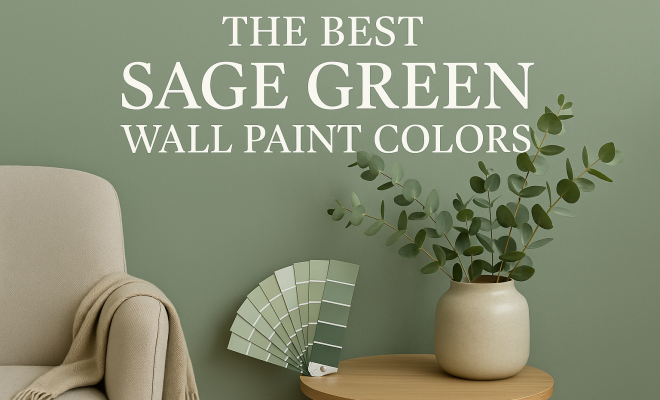
Sage green wall paint has increasingly become a popular choice for homeowners and interior designers alike, bringing a sense of tranquility and freshness to any room. Its soft, muted tone blends effortlessly with various color schemes, making it an ideal backdrop for both modern and traditional decor. In this article, we’ll explore the best sage green wall paint colors, diving into their unique attributes, how to incorporate them into your home, and the current trends that keep this hue in the spotlight.
1. Understanding Sage Green
Sage green is a soft, muted green with gray undertones, reminiscent of the leaves from the sage plant. This color exudes a calming essence, providing a serene atmosphere that’s perfect for relaxation. Its versatility is one of its defining features; sage green can adapt to various styles, from rustic farmhouse to sleek modern aesthetics.
Historically, green has been associated with nature, growth, and renewal. Sage green, in particular, stands as a gentle reminder of the natural world, making it a popular choice for creating a tranquil environment inside the home. Whether you’re looking to redesign a single room or your entire house, sage green offers a sophisticated yet approachable palette.
2. Popular Sage Green Paint Brands
Several paint manufacturers have embraced the charm of sage green wall paint, each offering a unique take on the hue. Here are a few brands known for their stunning sage greens:
- Benjamin Moore: Their “Sage Green” (2140-30) is a soft, muted shade that evokes a peaceful ambiance, making it perfect for bedrooms and living spaces.
- Sherwin-Williams: Their “Sage” (SW 6170) has a slightly darker tone, adding depth to spaces without overwhelming them.
- Behr: Their “Sage Green” (S320-4) is a versatile shade that works beautifully in both bright and dim lighting.
Each of these brands has carefully curated their sage green offerings, ensuring that they cater to various aesthetics and preferences. When choosing your paint, consider testing samples in your space to see how the light interacts with the color throughout the day.
3. Best Sage Green Shades for Different Rooms
Choosing the right shade of sage green wall paint can significantly affect the ambiance of a room. Here are some recommendations based on specific spaces:
- Living Rooms: Shades like “Soft Sage” by Benjamin Moore provide a welcoming and comforting atmosphere, perfect for gatherings and relaxation.
- Bedrooms: Lighter tones like “Sage Mist” by Sherwin-Williams promote tranquility, making it easier to unwind and rest.
- Kitchens: For kitchens, consider a slightly darker sage like “Cedar Green” by Behr, which balances well with wood and white cabinetry.
When selecting a shade, think about how the color will blend with your existing furnishings and decor. Accessories and textiles in complementary colors can enhance the overall look and feel of the space.
4. Complementary Color Palettes
One of the joys of sage green wall paint is its compatibility with various colors. To create a cohesive look in your home, consider these complementary color palettes:
- Warm Neutrals: Pair sage green with warm whites or beige to create a soft and inviting feel.
- Earthy Tones: Combine it with terracotta, deep browns, or creamy yellows for a grounded, nature-inspired palette.
- Cool Colors: For a contemporary feel, mix sage green with soft grays or muted blues to add depth and sophistication.
Colors can play a crucial role in the mood of your room. A thoughtfully chosen palette can enhance the serene qualities of sage green while providing visual interest. (See: Understanding the color green.)
5. Current Trends in Sage Green Decor
The resurgence of sage green in interior design reflects a broader trend toward creating soothing, nature-inspired spaces. With the rise of biophilic design—an approach that incorporates natural elements into the built environment—sage green serves as an ideal bridge between indoor and outdoor settings.
Current trends favor a mix of vintage and modern aesthetics, with sage green wall paint complementing both. You’ll see this hue featured in everything from furniture to textiles, providing a versatile backdrop that harmonizes with varying decor styles. Additionally, many homeowners are opting for sage green accents in kitchens and bathrooms, showcasing its adaptability beyond traditional living spaces.
6. Application Tips for Sage Green Wall Paint
Applying sage green wall paint can be an enjoyable DIY project, but there are a few tips to ensure a seamless finish:
- Preparation: Always start with a clean, primed surface. If you’re transitioning from a darker color, consider applying a primer to prevent the old hue from showing through.
- Testing Samples: Purchase small sample pots and paint swatches on the wall to see how the color looks in different lighting throughout the day.
- Lighting Considerations: Keep in mind that sage green can appear different based on lighting conditions. Test your chosen shade under both natural and artificial light.
By following these tips, you’ll ensure that your sage green paint job not only looks fantastic but also lasts for years to come.
7. Sage Green in Outdoor Spaces
Sage green wall paint isn’t just for interiors; it can also enhance your outdoor spaces. This color works beautifully for exterior walls, garden sheds, and even outdoor furniture. Its natural tone blends seamlessly with greenery and can create a serene oasis in your backyard.
When using sage green for outdoor applications, consider the durability of the paint, as it must withstand various weather conditions. Look for exterior-specific paints that resist fading and moisture to ensure your chosen color remains vibrant over time.
8. DIY Projects to Enhance Sage Green Decor
If you’re looking for creative ways to incorporate sage green into your home without painting entire walls, there are plenty of DIY projects to consider. Here are a few ideas:
- Furniture Makeover: Consider painting a side table, bookshelf, or even a dining chair in sage green. This not only adds a pop of color but can easily transform a piece you already own.
- Accent Walls: Instead of painting an entire room, create an accent wall with sage green. This approach allows you to experiment with the color without committing fully.
- Textiles and Accessories: Look for throws, cushions, or curtains in sage green. These can bring the hue into your space without the permanence of paint.
- Planters and Pots: If you love plants, consider using sage green pots and planters. They complement the greenery beautifully and enhance the biophilic design trend.
These small changes can make a big impact without overwhelming your space.
9. Cost Considerations
When it comes to sage green wall paint, budgeting is an essential factor. The cost can vary depending on the brand, type of paint (matte, satin, eggshell), and quantity needed for your project. On average, quality paint can range from $30 to $60 per gallon. Here are some cost-effective tips:
- Calculate Coverage: Ensure you measure your walls accurately to avoid purchasing more paint than necessary.
- Buy in Bulk: If you’re painting multiple rooms or large spaces, consider buying in bulk which may offer discounts.
- Look for Sales: Paint stores often have sales or promotional events, especially during spring when many homeowners start renovation projects.
By planning ahead, you can achieve your desired look without breaking the bank.
10. Expert Perspectives on Sage Green
Interior designers often emphasize the importance of color psychology in creating a harmonious space. According to color expert Leatrice Eiseman, sage green represents “restoration and balance.” It’s a color that encourages relaxation, making it ideal for spaces designed for rest and rejuvenation, such as bedrooms or reading nooks. (See: Health effects of paint colors.)
Additionally, designer and author Kelly Wearstler notes that sage green can act as a neutral base, allowing for flexible decor choices. “It works well with a variety of palettes but stands out beautifully on its own,” she says. This perspective highlights the versatility and timeless nature of sage green wall paint in modern design.
11. Common Misconceptions About Sage Green Wall Paint
Despite its growing popularity, there are a few misconceptions surrounding sage green wall paint that can deter homeowners from fully embracing it. Let’s clear those up:
- Sage Green is Only for Traditional Spaces: While it does work beautifully in traditional settings, sage green seamlessly integrates into modern and eclectic spaces as well. When paired with contemporary furniture or bold accessories, it can create a stunning contrast.
- Sage Green is Too Dark for Small Rooms: Lighter shades of sage can brighten a small space and give it an airy feel. Even darker variants can add depth without making the room feel cramped if combined with the right lighting and decor.
- All Sage Greens Look the Same: There’s a broad spectrum of sage green shades. From light mint tones to deeper, more muted greens, the variety ensures that you can find the perfect match for your decor scheme.
12. How to Combine Sage Green with Other Styles
Sage green wall paint can be versatile enough to complement numerous design styles and trends. Here are some ideas on how to seamlessly blend sage green with various decor themes:
- Rustic Farmhouse: Pair sage green with raw wood accents, vintage decor, and whitewashed finishes to enhance the rustic charm of your space.
- Modern Minimalism: Use sage green as a soft backdrop against minimal furniture and decor. Pair it with sleek lines and a few monochromatic accessories for a clean, sophisticated look.
- Bohemian Vibes: Combine sage green with vibrant textiles, eclectic patterns, and lush greenery. This creates a laid-back, inviting atmosphere.
- Coastal Aesthetics: Sage green works beautifully when paired with whites, sandy neutrals, and ocean blues to evoke a fresh, breezy feel reminiscent of seaside cottages.
13. Maintaining Your Sage Green Walls
Once you’ve painted your walls sage green, it’s important to keep them looking fresh and vibrant. Here are some maintenance tips:
- Regular Cleaning: Dust and dirt can accumulate on painted surfaces. Use a soft cloth or sponge with mild soap and water to wipe down the walls regularly.
- Avoid Harsh Chemicals: Strong cleaners can damage the paint finish. Stick to gentle cleaning solutions to preserve the color and texture.
- Touch-Up Paint: Keep a small can of touch-up paint on hand for quick fixes. This ensures that any scratches or marks can be promptly addressed without a full repaint.
14. FAQ About Sage Green Wall Paint
Here are some frequently asked questions regarding sage green wall paint that can help you in your decision-making process:
What is sage green wall paint?
Sage green wall paint is a soft, muted green color with gray undertones, inspired by the leaves of the sage plant. It’s known for its calming and serene qualities.
How does sage green affect the mood of a room?
Sage green is often associated with tranquility and restoration, making it an excellent choice for spaces meant for relaxation, like bedrooms and living rooms.
Can sage green be used in small spaces?
Yes! Sage green can actually make a small room feel more open and airy when used correctly. Light shades can create an illusion of space, while darker sage greens can add depth without overwhelming the room.
Is sage green suitable for all decor styles?
Absolutely! Sage green is highly versatile and can complement a variety of styles, from traditional to contemporary, rustic to minimalist. It’s all about pairing it with the right accessories and furniture. (See: Latest trends in home decor.)
How can I make sage green wall paint appear brighter?
To enhance the brightness of sage green, consider painting the ceiling and trim in a crisp white or a light neutral color. This contrast can make the walls seem more vibrant.
Can I combine sage green with bold colors?
Yes, sage green can provide a lovely contrast when paired with bold colors like deep navy, mustard yellow, or terracotta. The key is to balance the boldness with the calming effect of sage green.
What type of finish should I choose for sage green paint?
The finish you choose depends on the room’s function. Eggshell or satin finishes are great for living areas and bedrooms as they are easy to clean and provide a subtle sheen. For kitchens and bathrooms, consider a semi-gloss finish for added durability.
Is sage green suitable for children’s rooms?
Definitely! Sage green creates a calming environment that can be beneficial for children’s rooms. You can pair it with playful patterns and bright accents to keep the space lively yet serene.
How do I choose the right shade of sage green for my space?
Consider the room’s existing colors, the amount of natural light it receives, and the mood you want to create. Testing swatches on your walls in different lighting conditions will help you make the best choice.
In summary, sage green wall paint is a versatile and elegant choice that can transform any space. Its calming qualities, combined with its ability to harmonize with various design styles, make it an enduring favorite. Whether you’re redecorating a single room or painting the entire house, sage green offers endless possibilities for creating a serene and welcoming environment.
Trending Now
Frequently Asked Questions
What is sage green wall paint?
Sage green wall paint is a soft, muted green with gray undertones that evokes a calming atmosphere. It is versatile and complements various decor styles, making it a popular choice for creating tranquil environments in homes.
What are the best brands for sage green paint?
Some of the best brands for sage green paint include Benjamin Moore, Sherwin-Williams, and Behr. Each offers unique shades, such as Benjamin Moore's 'Sage Green,' Sherwin-Williams' 'Sage,' and Behr's 'Sage Green,' catering to different aesthetics and lighting conditions.
How can I incorporate sage green into my home decor?
You can incorporate sage green into your home decor by using it as a wall color, accent pieces, or furnishings. Its soft tone pairs well with various colors, making it suitable for both modern and traditional styles, enhancing the overall tranquility of your space.
Why is sage green a popular color choice?
Sage green is popular due to its calming essence and versatility. It evokes a sense of nature and renewal, making it ideal for creating serene spaces in homes. Its adaptability allows it to blend seamlessly with different decor styles.
What are the current trends for sage green paint?
Current trends for sage green paint include using it in minimalist designs, pairing it with natural materials, and incorporating it into both rustic and modern decor. This hue continues to be favored for its ability to create a peaceful and inviting atmosphere.
What did we miss? Let us know in the comments and join the conversation.