Losing Healthy Fat Can CAUSE Diabetes: A Surprising Truth
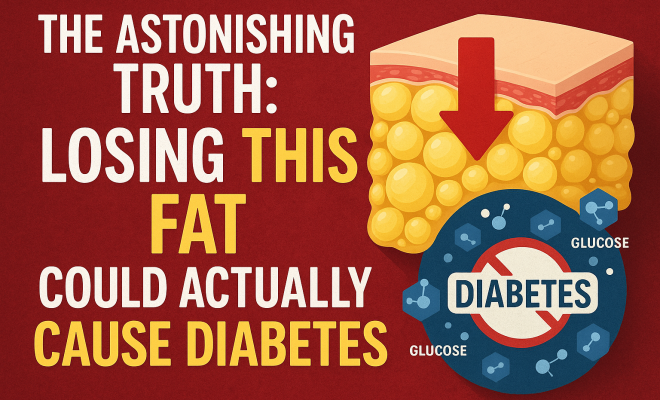
For years, we’ve been told that losing fat is almost universally good for our health, especially when it comes to warding off diseases like type 2 diabetes. The equation seemed simple enough: less fat equals better metabolic health. But what if I told you that this widely accepted wisdom might be missing a crucial, even counterintuitive, piece of the puzzle? What if losing the wrong kind of fat, or rather, having healthy fat tissue degrade, could actually push you closer to a diabetes diagnosis?
It sounds almost unbelievable, doesn’t it? Yet, groundbreaking research from Michigan Medicine has thrown a fascinating curveball into our understanding of weight loss and metabolic health. Their findings suggest that the quality and function of our fat tissue — not just its quantity — play a far more critical role than previously thought. In a surprising twist, they’ve uncovered a mechanism where the loss of healthy fat cells can paradoxically trigger diabetes, even in individuals who aren’t necessarily carrying an excessive amount of overall body fat. This isn’t just about ‘losing fat diabetes’ in the traditional sense; it’s about a deeper, more nuanced understanding of how our adipose tissue operates, or malfunctions, at a cellular level.
Beyond the Scale: The Unseen Battle in Your Fat Cells
When we talk about fat, most of us picture it as inert storage, a simple energy reserve. But adipose tissue is anything but simple. It’s a dynamic, metabolically active organ, constantly communicating with the rest of your body. It releases hormones, regulates hunger, and plays a pivotal role in insulin sensitivity. The Michigan Medicine study zeroes in on this complexity, revealing that not all fat is created equal, and not all fat loss is inherently beneficial.
The researchers observed that when healthy fat cells become damaged, a domino effect begins. These compromised cells become inflamed, a state that’s detrimental to their function. Think of it like an internal fire, constantly smoldering. This inflammation then cripples their ability to do their job properly: storing lipids. Healthy fat cells are designed to act as efficient lipid warehouses, safely tucking away excess energy. But when they’re inflamed and damaged, they lose this capacity. Eventually, these dysfunctional cells simply disappear, leaving a void.
This isn’t just a cosmetic issue; it’s a profound metabolic disruption. The body suddenly finds itself without enough functional ‘safe storage’ for lipids. Where do those lipids go? They end up spilling over into other organs – the liver, the muscles, the pancreas. This phenomenon, known as ectopic fat deposition, is a well-established precursor to insulin resistance and type 2 diabetes. So, while you might be losing fat on the scale, if it’s the healthy, functional fat tissue that’s dying off, you’re actually creating a metabolic disaster zone.
The Paradox: Why ‘Losing Fat Diabetes’ Isn’t Always What You Think
This research fundamentally challenges the conventional wisdom that ‘any fat loss is good fat loss.’ We’ve long focused on the sheer volume of adipose tissue as the primary culprit in metabolic disease. Obese individuals tend to have a higher risk of type 2 diabetes, and for good reason: too much fat can overwhelm the system. But this new perspective highlights that diabetes isn’t solely a disease of excess fat; it can also be a disease of dysfunctional fat, even if the overall quantity isn’t dramatically high.
Imagine two individuals, both with what might be considered a healthy body mass index. One has robust, healthy fat cells capable of efficiently storing lipids and responding to insulin signals. The other, however, has a population of damaged, inflamed fat cells that are gradually losing their ability to function. According to this research, the second individual, despite not being overtly obese, could be at a significantly higher risk of developing type 2 diabetes because their internal lipid management system is breaking down. This shift in understanding means we need to look beyond just the number on the scale and start considering the underlying health of our adipose tissue.
It’s a critical distinction. For decades, the mantra has been ‘lose weight to prevent diabetes.’ And while that’s still fundamentally true for many, particularly those with significant obesity, this study introduces a nuance that can’t be ignored. It suggests that if your body is struggling with ‘losing fat diabetes’ not because of overall reduction, but because of the deterioration of its healthy fat depots, the strategies for prevention and treatment might need to evolve.
Inflammation: The Silent Saboteur of Adipose Tissue
At the heart of this problem lies inflammation. When we think of inflammation, we often picture a swollen ankle or a red rash. But chronic, low-grade systemic inflammation is a far more insidious enemy, particularly for our metabolic health. In the context of fat tissue, inflammation is like a slow burn that gradually destroys the very cells designed to protect us from metabolic overload.
The Michigan Medicine team’s findings underscore that damaged fat cells don’t just ‘stop working’; they actively contribute to a cycle of inflammation. This inflammatory state then compromises more cells, further impairing their lipid storage capacity. It’s a vicious cycle: inflammation damages fat cells, which then become more inflammatory, leading to their eventual demise. This relentless process reduces the body’s capacity to handle excess nutrients, effectively shrinking its metabolic ‘safety net.’ When this safety net is gone, lipids start accumulating in places they shouldn’t, setting the stage for insulin resistance and, ultimately, type 2 diabetes.
Understanding this inflammatory component is key. It moves the conversation beyond simple caloric intake and output to the complex cellular environment within our bodies. What causes this inflammation in fat cells? It’s likely a multifactorial issue, involving genetics, diet (particularly diets high in processed foods, refined sugars, and unhealthy fats), chronic stress, lack of sleep, and exposure to environmental toxins. Identifying and mitigating these inflammatory triggers could become a crucial strategy in preventing this specific pathway to diabetes. (See: Understanding adipose tissue function.)
The Role of Ectopic Fat: When Lipids Go Rogue
When healthy fat cells lose their ability to store lipids and eventually disappear, the excess fat has to go somewhere. This is where the concept of ectopic fat deposition becomes critical. ‘Ectopic’ simply means ‘out of place,’ and in this context, it refers to fat accumulating in organs where it shouldn’t normally be found in significant quantities – primarily the liver, muscles, and pancreas.
Consider the liver. A healthy liver helps regulate blood sugar by producing and storing glucose. But when it becomes infiltrated with fat, a condition known as non-alcoholic fatty liver disease (NAFLD), its ability to perform these functions is severely compromised. It can become resistant to insulin, meaning it doesn’t respond properly to the hormone that tells it to absorb glucose from the blood. This leads to higher blood sugar levels.
Similarly, when fat accumulates in muscle tissue, it can interfere with insulin signaling there, making muscles less effective at taking up glucose. And perhaps most critically, fat accumulation in the pancreas, the organ responsible for producing insulin, can damage the beta cells that make insulin. This damage can reduce insulin production, a direct pathway to type 2 diabetes. So, the disappearance of healthy fat cells isn’t just about ‘losing fat diabetes’ in a vacuum; it’s about a cascade of events that leads to fat invading and crippling vital metabolic organs.
Implications for Diabetes Prevention and Management
This research has profound implications for how we approach diabetes prevention and treatment. If diabetes can stem from dysfunctional healthy fat tissue, rather than solely from obesity, our strategies need to broaden. It’s not just about reducing overall body fat; it’s about preserving and enhancing the health of our existing adipose tissue.
For individuals who are not overtly obese but still develop type 2 diabetes, this study offers a compelling explanation. It suggests that their internal fat management system might be failing, even if their external appearance doesn’t scream ‘at risk.’ This means clinicians might need to look beyond BMI and waist circumference alone, perhaps incorporating more sophisticated measures of fat quality and distribution.
Moreover, this research opens doors for new therapeutic targets. Instead of just focusing on weight loss drugs or insulin sensitizers, future treatments might aim to protect fat cells from inflammation, enhance their lipid storage capacity, or even encourage the regeneration of healthy adipose tissue. Imagine therapies designed to keep your fat cells happy and functional, rather than just trying to get rid of them.
The Future of ‘Losing Fat Diabetes’ Strategies: Nurturing Your Adipose Tissue
So, what does this mean for you and your health? If the health of your fat cells is paramount, how do you nurture them? While more research is needed to translate these findings into specific clinical guidelines, we can infer some actionable strategies based on what we already know about metabolic health:
- Anti-inflammatory Diet: Focus on whole, unprocessed foods. Embrace fruits, vegetables, lean proteins, and healthy fats (like those found in avocados, nuts, seeds, and olive oil). Limit processed foods, sugary drinks, and refined carbohydrates, which are known drivers of inflammation. Think Mediterranean diet principles.
- Regular Physical Activity: Exercise doesn’t just burn calories; it improves insulin sensitivity and can reduce systemic inflammation. It helps your body utilize glucose more effectively, reducing the burden on your fat cells.
- Stress Management: Chronic stress elevates cortisol, a hormone that can contribute to inflammation and insulin resistance. Techniques like mindfulness, meditation, yoga, or even just spending time in nature can be incredibly beneficial.
- Adequate Sleep: Sleep deprivation is a major stressor on the body, contributing to inflammation and impaired glucose metabolism. Aim for 7-9 hours of quality sleep per night.
- Targeted Nutrients: While not a magic bullet, certain nutrients like omega-3 fatty acids, curcumin, and specific antioxidants have anti-inflammatory properties that might support fat cell health. Always discuss supplements with your doctor.
The goal isn’t just about shedding pounds; it’s about fostering a healthy internal environment where your fat cells can thrive and perform their vital metabolic duties. It’s about ‘losing fat diabetes’ by enhancing the quality, not just reducing the quantity, of your adipose tissue.
Beyond BMI: A Call for Personalized Metabolic Assessments
This Michigan Medicine study underscores a growing sentiment in the medical community: the need for more personalized approaches to health. Relying solely on broad metrics like BMI can be misleading. A person with a ‘normal’ BMI might still have significant metabolic dysfunction due to unhealthy fat tissue, while another with a higher BMI might be metabolically healthy.
Imagine a future where metabolic assessments go beyond blood glucose and cholesterol panels. Perhaps we’ll see more advanced imaging techniques to assess fat distribution, or even biomarkers that indicate the health and inflammatory status of adipose tissue. This would allow doctors to identify individuals at risk earlier and intervene with more targeted, effective strategies. It moves us away from a one-size-fits-all approach to diabetes prevention and towards a more nuanced understanding of individual metabolic profiles.
This is particularly crucial for those who are genetically predisposed to diabetes but don’t fit the typical ‘obese’ profile. For them, understanding that their diabetes risk might stem from dysfunctional fat, rather than just sheer volume, can be empowering and lead to more effective preventative measures. It’s a shift from ‘you’re too fat, lose weight’ to ‘let’s assess the health of your fat tissue and support its function.’
The Research Continues: Unlocking New Therapeutic Avenues
The findings from Michigan Medicine are just the beginning. This research opens up a whole new avenue of inquiry into the complex interplay between fat tissue, inflammation, and metabolic disease. Scientists will now be looking to understand more precisely what causes fat cells to become damaged and inflamed in the first place. Are there specific genetic predispositions? Are certain environmental factors more potent triggers? (See: Research on obesity and diabetes.)
This deeper understanding could lead to the development of novel drugs that specifically target fat cell health. Instead of just trying to lower blood sugar after the fact, imagine a drug that prevents fat cell inflammation or helps them regenerate. Such therapies could represent a truly groundbreaking approach to preventing and managing type 2 diabetes, shifting the focus from managing symptoms to addressing the root cause of metabolic dysfunction within the adipose tissue itself.
The journey to truly conquer diabetes is a long and complex one, but discoveries like this provide crucial new insights. They remind us that the human body is an intricate, interconnected system, and that sometimes, the answers lie in places we least expect. The idea of ‘losing fat diabetes’ isn’t just about a number on a scale anymore; it’s about the very quality and vitality of the fat that remains.
Visceral vs. Subcutaneous Fat: Not All Fat is Created Equal
When we talk about fat, it’s important to distinguish between different types and locations. This study implicitly touches on this distinction. Subcutaneous fat, the jiggle you can pinch just under your skin, is generally considered metabolically healthier. It acts as a relatively safe storage depot, designed to expand and contract as needed without necessarily causing widespread metabolic mayhem. Think of it as the body’s preferred lipid warehouse.
Then there’s visceral fat, which wraps around your internal organs deep within your abdominal cavity. This type of fat is far more sinister from a metabolic perspective. Visceral fat is highly active, releasing inflammatory compounds and hormones directly into the bloodstream, which then travel to the liver and other organs. This direct line of communication makes visceral fat a significant contributor to insulin resistance, fatty liver disease, and type 2 diabetes. We covered changing obesity narratives in more detail.
The Michigan Medicine research suggests that when healthy subcutaneous fat cells become dysfunctional and disappear, the body loses its primary safe storage. This might then force lipids into visceral depots or, worse, directly into organs, exacerbating the problems associated with ectopic fat. So, while you might be losing subcutaneous fat, if it’s the healthy, functional kind that’s shrinking due to inflammation and cell death, you’re essentially losing your metabolic buffer, potentially increasing the relative proportion and negative impact of visceral fat, even if overall weight decreases. It’s not just about the total amount of fat, but where it is and, critically, how well it’s functioning.
The Role of Genetics and Epigenetics in Fat Health
It’s easy to point fingers at diet and lifestyle, but we can’t ignore the role of our genetic blueprint. Some individuals might be genetically predisposed to having less robust or more inflammation-prone fat tissue. This could explain why two people with similar diets and activity levels might have vastly different metabolic outcomes. Genetic variations could influence how efficiently fat cells store lipids, how they respond to inflammation, or even their capacity for regeneration.
Beyond genetics, there’s epigenetics – changes in gene expression that aren’t caused by alterations in the DNA sequence itself, but by environmental factors. Things like chronic stress, exposure to toxins, or even early life nutrition can epigenetically “program” your fat cells, influencing their health and function for years to come. For instance, maternal nutrition during pregnancy can impact the metabolic health of the offspring, potentially affecting their fat tissue quality later in life. This means that preventing ‘losing fat diabetes’ might start even before birth, highlighting the profound impact of environmental influences on our metabolic destiny.
Understanding these genetic and epigenetic factors could unlock even more personalized prevention strategies. Imagine knowing your genetic predisposition for fat cell dysfunction and being able to proactively implement specific dietary or lifestyle interventions to mitigate that risk. This moves us towards truly predictive and preventative medicine, shifting from reactive treatment to proactive health optimization.
Emerging Biomarkers for Adipose Tissue Health
Right now, assessing the health of your fat tissue isn’t a routine medical test. Doctors rely on indirect markers like BMI, waist circumference, blood glucose, and lipid panels. But as this research gains traction, we can expect to see the development of more specific biomarkers. These could be molecules circulating in the blood that indicate inflammation within adipose tissue, or markers of fat cell turnover and dysfunction.
For example, researchers are already looking at certain adipokines (hormones released by fat cells) like adiponectin and leptin, or inflammatory markers like C-reactive protein (CRP) and IL-6, as potential indicators. However, future biomarkers might be even more precise, offering a direct window into the metabolic health of your fat cells. This could allow for early detection of individuals whose healthy fat tissue is starting to degrade, long before they develop full-blown insulin resistance or type 2 diabetes. This early warning system would be invaluable, giving individuals and their healthcare providers a critical head start in intervention. (See: CDC on obesity and health risks.)
Expert Perspectives: Connecting the Dots
This research from Michigan Medicine resonates with a growing body of expert opinion that emphasizes the quality, not just quantity, of fat. Dr. Robert Lustig, a pediatric endocrinologist and author, has long championed the idea that metabolic health is about more than just calories in, calories out. He argues that certain foods, especially sugar, contribute to liver fat and metabolic dysfunction independently of total body weight. This aligns perfectly with the idea that dysfunctional fat tissue, particularly ectopic fat, is a primary driver of disease.
Similarly, researchers in the field of “healthy obesity” acknowledge that some individuals with a higher BMI remain metabolically healthy, while others with a normal weight struggle with metabolic issues. This phenomenon, often called “TOFI” (Thin Outside, Fat Inside), perfectly encapsulates the Michigan Medicine findings. It highlights that outward appearance can be deceiving, and true metabolic health lies in the internal function of our organs, including our adipose tissue. These expert perspectives reinforce the message that a holistic view of fat health is paramount in the fight against diabetes.
Frequently Asked Questions About Losing Fat and Diabetes
Q: Does this mean I shouldn’t try to lose weight if I’m at risk for diabetes?
A: Not at all. For most people, especially those who are overweight or obese, losing overall body fat remains a crucial strategy for preventing and managing type 2 diabetes. This research adds a nuance, emphasizing that how you lose fat and the health of the fat that remains are also incredibly important. The goal is to lose unhealthy fat and preserve or improve the health of your functional fat tissue, not just to see a number drop on the scale.
Q: How can I tell if my fat cells are healthy or dysfunctional?
A: Currently, there isn’t a simple, routine test to directly assess the health of your individual fat cells. However, your doctor can assess your overall metabolic health through blood tests (fasting glucose, HbA1c, lipid panel, insulin levels) and physical measurements (waist circumference). High triglycerides, low HDL cholesterol, elevated blood sugar, and signs of inflammation (like high C-reactive protein) can all indirectly point to metabolic dysfunction, which might include unhealthy fat tissue. Future research may lead to more direct diagnostic tools.
Q: Are there specific foods that damage fat cells or promote inflammation in adipose tissue?
A: Diets high in processed foods, refined sugars (especially fructose), trans fats, and excessive amounts of omega-6 fatty acids (common in many seed oils) are known to promote systemic inflammation, which can negatively impact fat cell health. Conversely, diets rich in whole, unprocessed foods, lean proteins, fiber, omega-3 fatty acids, and antioxidants (found in fruits, vegetables, and whole grains) tend to be anti-inflammatory and supportive of overall metabolic health, including adipose tissue function.
Q: Can exercise help improve the health of my fat cells?
A: Yes, absolutely. Regular physical activity, particularly a combination of aerobic and strength training, improves insulin sensitivity throughout the body, including in fat cells. It also helps reduce systemic inflammation and can enhance the capacity of fat cells to store lipids efficiently. Exercise helps your body better handle glucose and fat, reducing the burden on your adipose tissue and preventing ectopic fat deposition.
Q: If I’m thin but have a family history of diabetes, should I be concerned about dysfunctional fat?
A: Yes, this research is particularly relevant for individuals who are “thin outside, fat inside” (TOFI) or who have a strong genetic predisposition to type 2 diabetes despite a healthy weight. If you’re thin but have risk factors, it’s even more crucial to focus on an anti-inflammatory lifestyle, manage stress, get enough sleep, and discuss your concerns with your doctor for a personalized metabolic assessment.
Trending Now
- Retatrutide Weight Loss: The Triple-Threat Drug That Could Redefine Obesity Treatment
- This New AI Crypto Project Could Make You Obsolete
- our breakdown of unseen danger: new ‘ghostware’ threatening america’s water and power is more insidious than you think
- Financial Fallout: Millions of Investment Accounts…
Frequently Asked Questions
Can losing fat actually cause diabetes?
Yes, losing the wrong kind of fat, particularly healthy fat cells, can paradoxically increase the risk of diabetes. Research indicates that when these healthy fat cells degrade, it can lead to inflammation and decreased insulin sensitivity, contributing to a higher likelihood of diabetes.
What type of fat is harmful to health?
Not all fat is harmful; in fact, healthy fat tissue plays a critical role in metabolic health. It's the loss of healthy fat cells that can be detrimental, leading to inflammation and metabolic dysfunction, rather than merely the amount of fat present in the body.
How does fat tissue affect insulin sensitivity?
Adipose tissue is metabolically active and communicates with the body by releasing hormones that regulate hunger and insulin sensitivity. When healthy fat cells become damaged or inflamed, it disrupts this balance, potentially leading to insulin resistance and diabetes.
What is the role of adipose tissue in the body?
Adipose tissue is more than just fat storage; it's an active organ that regulates various metabolic processes, including hormone release and energy balance. Its health is crucial for maintaining proper metabolic functions and preventing diseases like diabetes.
Is all fat loss beneficial for health?
Not necessarily. While fat loss is often associated with better health, losing healthy fat cells can be counterproductive. It's essential to focus on the quality and function of fat tissue rather than just the quantity to ensure metabolic health.
Have you experienced this yourself? We'd love to hear your story in the comments.