The Edvocate

Top Menu

Main Menu

  • Start Here
    • Our Brands
    • Governance
      • Lynch Education Consulting, LLC.
      • Dr. Lynch’s Personal Website
      • Careers
    • Write For Us
    • Books
    • The Tech Edvocate Product Guide
    • Contact Us
    • The Edvocate Podcast
    • Edupedia
    • Pedagogue
    • Terms and Conditions
    • Privacy Policy
  • PreK-12
    • Assessment
    • Assistive Technology
    • Best PreK-12 Schools in America
    • Child Development
    • Classroom Management
    • Early Childhood
    • EdTech & Innovation
    • Education Leadership
    • Equity
    • First Year Teachers
    • Gifted and Talented Education
    • Special Education
    • Parental Involvement
    • Policy & Reform
    • Teachers
  • Higher Ed
    • Best Colleges and Universities
    • Best College and University Programs
    • HBCU’s
    • Diversity
    • Higher Education EdTech
    • Higher Education
    • International Education
  • Advertise
  • The Tech Edvocate Awards
    • The Awards Process
    • Finalists and Winners of The 2026 Tech Edvocate Awards
    • Finalists and Winners of The 2025 Tech Edvocate Awards
    • Finalists and Winners of The 2024 Tech Edvocate Awards
    • Finalists and Winners of The 2023 Tech Edvocate Awards
    • Finalists and Winners of The 2021 Tech Edvocate Awards
    • Finalists and Winners of The 2022 Tech Edvocate Awards
    • Finalists and Winners of The 2020 Tech Edvocate Awards
    • Finalists and Winners of The 2019 Tech Edvocate Awards
    • Finalists and Winners of The 2018 Tech Edvocate Awards
    • Finalists and Winners of The 2017 Tech Edvocate Awards
    • Award Seals
  • Apps
    • GPA Calculator for College
    • GPA Calculator for High School
    • Cumulative GPA Calculator
    • Grade Calculator
    • Weighted Grade Calculator
    • Final Grade Calculator
  • The Tech Edvocate
  • Post a Job
  • AI Powered Personal Tutor

logo

The Edvocate

  • Start Here
    • Our Brands
    • Governance
      • Lynch Education Consulting, LLC.
      • Dr. Lynch’s Personal Website
        • My Speaking Page
      • Careers
    • Write For Us
    • Books
    • The Tech Edvocate Product Guide
    • Contact Us
    • The Edvocate Podcast
    • Edupedia
    • Pedagogue
    • Terms and Conditions
    • Privacy Policy
  • PreK-12
    • Assessment
    • Assistive Technology
    • Best PreK-12 Schools in America
    • Child Development
    • Classroom Management
    • Early Childhood
    • EdTech & Innovation
    • Education Leadership
    • Equity
    • First Year Teachers
    • Gifted and Talented Education
    • Special Education
    • Parental Involvement
    • Policy & Reform
    • Teachers
  • Higher Ed
    • Best Colleges and Universities
    • Best College and University Programs
    • HBCU’s
    • Diversity
    • Higher Education EdTech
    • Higher Education
    • International Education
  • Advertise
  • The Tech Edvocate Awards
    • The Awards Process
    • Finalists and Winners of The 2026 Tech Edvocate Awards
    • Finalists and Winners of The 2025 Tech Edvocate Awards
    • Finalists and Winners of The 2024 Tech Edvocate Awards
    • Finalists and Winners of The 2023 Tech Edvocate Awards
    • Finalists and Winners of The 2021 Tech Edvocate Awards
    • Finalists and Winners of The 2022 Tech Edvocate Awards
    • Finalists and Winners of The 2020 Tech Edvocate Awards
    • Finalists and Winners of The 2019 Tech Edvocate Awards
    • Finalists and Winners of The 2018 Tech Edvocate Awards
    • Finalists and Winners of The 2017 Tech Edvocate Awards
    • Award Seals
  • Apps
    • GPA Calculator for College
    • GPA Calculator for High School
    • Cumulative GPA Calculator
    • Grade Calculator
    • Weighted Grade Calculator
    • Final Grade Calculator
  • The Tech Edvocate
  • Post a Job
  • AI Powered Personal Tutor
  • Bill Gates’ Dire Prediction: Could AI in Education Actually Make Students Learn LESS?

  • Bill Gates’ Dire Warning: Why These Reskilling Programs Are Now Essential

  • Bill Gates’ Dire Prediction: AI Could Be Making Our Kids Dumber

  • Bill Gates’ Disturbing Prediction: AI Could Make Students Learn LESS

  • 10 Crucial Differences: Public University Budget Crisis vs. Private College Stability

  • The Brutal Truth: 9 Surprising Career Paths for Laid-Off University Staff

  • Catastrophic: Why University Budget Cuts Are Obliterating Faculty Job Security

  • The Brutal Truth: Why Your University’s Budget Crisis Is Worse Than You Think

  • The Brutal Truth: Why One Oregon District Is Crushing Consolidation While Another Falters

  • Oregon Teacher Layoffs: 10 Courses That Could Save Your Career

Uncategorized
Home›Uncategorized›Gentle Parenting vs. People-Pleasing: Find the Balance

Gentle Parenting vs. People-Pleasing: Find the Balance
By Matthew Lynch
April 10, 2026
0
Spread the love

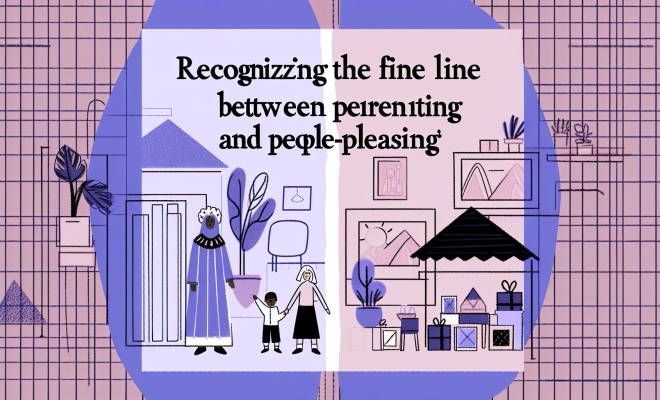
In recent years, the concept of gentle parenting has gained popularity among parents seeking a nurturing and empathetic approach to raising their children. However, psychologist Dr. Robyn Koslowitz warns that some parents may unknowingly cross the line into people-pleasing behaviors, which can lead to detrimental effects on both their children and themselves.

Understanding Gentle Parenting

Gentle parenting is characterized by empathy, respect, and understanding. It emphasizes the importance of building a strong emotional connection with children while setting appropriate boundaries. The ultimate goal is to foster emotional intelligence and resilience in children, equipping them with the necessary skills to navigate life’s challenges.

The Risks of People-Pleasing

While gentle parenting can be beneficial, Dr. Koslowitz cautions that it can sometimes devolve into people-pleasing behavior. This shift can lead to significant long-term issues, including poor emotional regulation in children and parental burnout. Here are seven signs that your gentle parenting style may be veering into people-pleasing territory:

1. Avoiding Conflict at All Costs

One of the most telling signs of people-pleasing is an aversion to conflict. If parents find themselves consistently avoiding difficult conversations or situations to keep the peace, they may be prioritizing their child’s immediate comfort over necessary boundaries. While it’s important to maintain harmony, it’s equally crucial to address conflicts in a constructive manner.

2. Seeking Constant Approval from Your Children

Another indicator of people-pleasing behavior is the need for approval from children. If parents feel anxious or guilty when their children express dissatisfaction, they may be prioritizing their children’s approval over healthy parenting practices. This can lead to children learning to manipulate situations to get what they want, ultimately undermining their ability to cope with disappointment.

3. Difficulty Setting Boundaries

Parents who struggle to establish clear boundaries may be engaging in people-pleasing. Gentle parenting encourages limits that foster a sense of safety and security for children. However, if parents find themselves bending rules or making exceptions to avoid upsetting their children, they may be sacrificing long-term benefits for short-term peace.

4. Over-Accommodating to Your Child’s Needs

While it’s essential to be attuned to a child’s needs, overly accommodating behavior can signal people-pleasing. Parents should strive to balance their children’s needs with their own. This means teaching children that their desires may not always take precedence and that compromise is a crucial life skill.

5. Feeling Responsible for Your Child’s Emotions

Many parents feel a profound responsibility for their child’s happiness. However, believing that one must shield their child from all negative emotions can lead to unhealthy dynamics. Kids need to learn how to manage their feelings independently. Parents should aim to support their children through emotional challenges rather than taking on the burden of their emotional well-being.

6. Neglecting Self-Care

People-pleasing often comes at the expense of self-care. Parents who prioritize their children’s needs above their own may end up feeling exhausted and resentful. It’s vital for parents to recognize that their well-being directly impacts their ability to parent effectively. Establishing self-care routines is not selfish; it’s necessary for maintaining a healthy family dynamic.

7. Guilt Over Disciplinary Actions

Finally, feeling guilt or shame after implementing disciplinary actions is another sign of people-pleasing. Gentle parenting does involve discipline, but it should be approached with empathy and understanding. Parents who feel guilty for enforcing rules may struggle to maintain consistency, leading to confusion for their children.

Correcting the Course

Dr. Koslowitz emphasizes that recognizing these signs is the first step toward creating a healthier parenting style. Here are some practical tips for parents:

  • Establish Clear Boundaries: Setting limits is essential for a child’s development. Make sure to communicate these boundaries clearly while remaining open to discussion.
  • Practice Empathy: While it’s important to maintain boundaries, doing so with empathy can help children understand the reasoning behind them.
  • Prioritize Self-Care: Take time for yourself to recharge. This will not only benefit you but also create a more positive environment for your children.
  • Encourage Emotional Independence: Teach your children how to cope with their emotions, allowing them to experience disappointment and learn from it.

By being mindful of these signs and implementing thoughtful strategies, parents can ensure their approach remains genuinely gentle without crossing into the realm of people-pleasing. As a result, they can foster healthier relationships with their children and promote emotional resilience that will last a lifetime.

Previous Article

School Choice Surges: Empowering Families in 2024 ...

Next Article

iPhone 19: Apple’s New AI Chip Delivers ...

Matthew Lynch

Related articles More from author

  • Uncategorized

    The Best Meal Delivery Services for Teachers

    June 28, 2026
    By Matthew Lynch
  • Uncategorized

    Pixel 6a vs. Pixel 6: Uncover Key Differences in Google’s Android 12 Phones

    January 2, 2025
    By Matthew Lynch
  • Uncategorized

    Google Information Agents 2026: Reshaping Digital Interaction

    June 20, 2026
    By Matthew Lynch
  • Uncategorized

    Cancer Diet Claims on Social Media: Navigate Misinformation

    June 27, 2026
    By Matthew Lynch
  • Uncategorized

    Would You Like to Write For The Edvocate?

    September 8, 2016
    By Matthew Lynch
  • Uncategorized

    25 Refreshing Brain Break Activities for Middle School

    January 4, 2026
    By Matthew Lynch

Search

Registration and Login

  • Log in
  • Entries feed
  • Comments feed
  • WordPress.org

Newsletter

Signup for The Edvocate Newsletter and have the latest in P-20 education news and opinion delivered to your email address!

RSS feed: Matthew on Education Week Matthew on Education Week

  • Au Revoir from Education Futures November 20, 2018 Matthew Lynch
  • 6 Steps to Data-Driven Literacy Instruction October 17, 2018 Matthew Lynch
  • Four Keys to a Modern IT Approach in K-12 Schools October 2, 2018 Matthew Lynch
  • What's the Difference Between Burnout and Demoralization, and What Can Teachers Do About It? September 27, 2018 Matthew Lynch
  • Revisiting Using Edtech for Bullying and Suicide Prevention September 10, 2018 Matthew Lynch

About Us

The Edvocate was created in 2014 to argue for shifts in education policy and organization in order to enhance the quality of education and the opportunities for learning afforded to P-20 students in America. What we envisage may not be the most straightforward or the most conventional ideas. We call for a relatively radical and certainly quite comprehensive reorganization of America’s P-20 system.

That reorganization, though, and the underlying effort, will have much to do with reviving the American education system, and reviving a national love of learning.  The Edvocate plans to be one of key architects of this revival, as it continues to advocate for education reform, equity, and innovation.

Newsletter

Signup for The Edvocate Newsletter and have the latest in P-20 education news and opinion delivered to your email address!

Contact

The Edvocate
910 Goddin Street
Richmond, VA 23230
(601) 630-5238
[email protected]
  • situs togel online
  • dentoto
  • situs toto 4d
  • situs toto slot
  • toto slot 4d
Copyright (c) 2026 Matthew Lynch. All rights reserved.