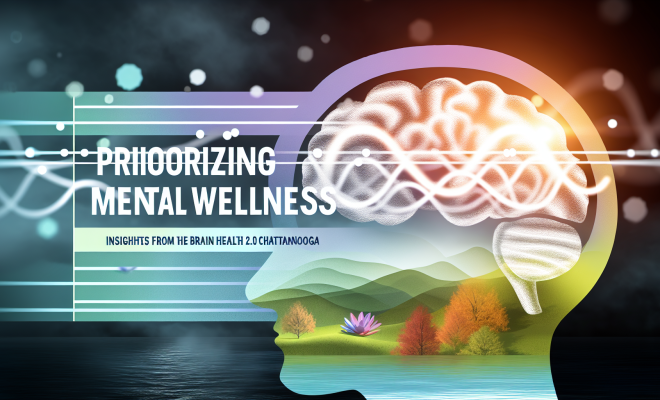
Prioritizing Mental Wellness: Insights from the Brain Health 2.0 Event in Chattanooga
Introduction
In recent years, the importance of mental health has gained significant recognition, with initiatives aimed at improving community awareness and engagement sprouting across the nation. One such initiative is the Brain Health 2.0 event held in Chattanooga, Tennessee, which emphasizes the critical need to treat brain health with the same level of importance as physical health. This event serves as a platform to foster discussions about mental wellness and its impact on overall well-being.
The Growing Emphasis on Mental Health
As society continues to navigate through the complexities of modern life, the conversation surrounding mental health has evolved significantly. No longer stigmatized or ignored, mental wellness is now recognized as an essential component of a healthy lifestyle. Events like Brain Health 2.0 play a pivotal role in this paradigm shift, aiming to educate the public about the importance of mental health and the various factors that influence it.
Understanding Brain Health
Brain health encompasses more than just the absence of mental illness; it includes cognitive function, emotional well-being, and social connectivity. The World Health Organization defines mental health as a state of well-being in which individuals realize their abilities, can cope with the normal stresses of life, can work productively, and can contribute to their communities. This definition underscores the multifaceted nature of mental health, which is integral to our daily lives.
Event Highlights and Community Engagement
The Brain Health 2.0 event in Chattanooga was designed to engage the local community and raise awareness about mental wellness. Through various activities, presentations, and discussions, attendees were encouraged to explore the different dimensions of brain health and the strategies for maintaining it. Such gatherings foster a sense of community and support, reminding individuals that they are not alone in their struggles.
Key Themes Explored
At Brain Health 2.0, several key themes emerged that are vital for promoting mental wellness:
- Connection and Community: Social connections are crucial for mental well-being. The event emphasized building strong relationships and networks that can provide support during challenging times.
- Education and Awareness: Understanding mental health issues is the first step toward addressing them. Educational sessions at the event covered topics such as stress management, coping strategies, and recognizing signs of mental health challenges.
- Access to Resources: The need for accessible mental health resources was a recurring theme, highlighting the importance of ensuring that individuals know where to seek help when needed.
- Self-Care Practices: Attendees were encouraged to adopt self-care routines that promote mental wellness, such as mindfulness, exercise, and healthy eating.
Why Mental Health Matters
The significance of mental health cannot be overstated. Mental wellness influences every aspect of our lives, from our physical health and productivity to our relationships and quality of life. According to the National Institute of Mental Health, mental disorders remain one of the leading causes of disability in the U.S., affecting millions of individuals and their families.
Statistics and Trends
While specific statistics were not highlighted during the Brain Health 2.0 event, broader trends indicate a growing recognition of mental health issues across demographics. Recent surveys have shown an increase in anxiety and depression rates, particularly in younger populations. This underscores the urgent need for initiatives like Brain Health 2.0, which aim to address these challenges head-on.
Impact of Mental Health on Physical Health
It is essential to understand that mental health and physical health are intrinsically linked. Poor mental health can lead to various physical health issues, including cardiovascular disease, weakened immune function, and other chronic conditions. Conversely, maintaining good physical health can have positive effects on mental wellness, creating a cycle that supports overall well-being.
Strategies for Promoting Mental Wellness
Here are several strategies that individuals can adopt to improve their mental wellness:
- Practice Mindfulness: Mindfulness techniques, such as meditation and deep breathing exercises, can help individuals manage stress and improve emotional regulation.
- Engage in Physical Activity: Regular exercise is known to release endorphins, which can elevate mood and reduce feelings of anxiety and depression.
- Establish Routine: Creating a daily routine can provide structure and stability, helping individuals feel more in control of their lives.
- Seek Professional Help: Consulting with mental health professionals can provide individuals with the tools and support they need to navigate their mental health challenges.
The Role of Community in Mental Wellness
Community engagement is a vital aspect of promoting mental wellness. Events like Brain Health 2.0 foster connections among individuals, allowing them to share experiences, resources, and support. Building a sense of community can significantly reduce feelings of isolation and loneliness, which are common contributors to mental health issues.
Creating Supportive Environments
To effectively promote mental wellness, it is crucial to create environments that support open discussions about mental health. Schools, workplaces, and community organizations can play a significant role in normalizing conversations around mental health, providing resources, and fostering a culture of support.
Conclusion
The Brain Health 2.0 event in Chattanooga serves as a reminder that mental health is just as important as physical health. By prioritizing mental wellness through community engagement, education, and accessible resources, we can create a healthier society where individuals feel empowered to seek help and support. As we continue to navigate the complexities of modern life, initiatives like Brain Health 2.0 will be essential in fostering a culture that values mental wellness and encourages individuals to take charge of their mental health.