Florida’s Mental Health Crisis: A Deep Dive into Its Criminal Justice System
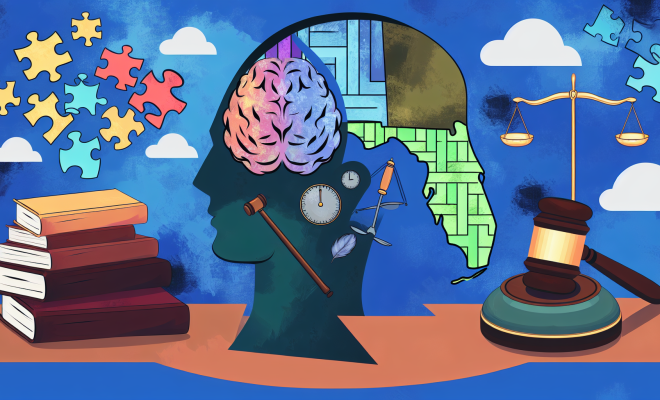
The intersection of mental health and criminal justice is a complex and often troubling landscape, particularly in Florida, where a severe mental health crisis is unraveling within the state’s criminal justice system. As more individuals with mental health needs find themselves entangled in the legal system, the challenges faced by law enforcement, judicial entities, and mental health professionals continue to mount. This article explores the roots of the crisis, the systemic failures that perpetuate it, and potential pathways toward reform.
The Current State of Mental Health in Florida’s Criminal Justice System
Florida’s criminal justice system is currently grappling with a significant mental health crisis. This situation is exacerbated by a lack of adequate resources, particularly in state-run mental health facilities. With a growing number of individuals in need of mental health services, the waitlists for treatment have become alarmingly long, leaving many without the support they desperately require.
Resource Limitations and Growing Waitlists
According to recent reports, state-operated mental health facilities are overwhelmed by the demand for services. The lack of space in these institutions has resulted in lengthy waitlists, effectively sidelining individuals who require immediate intervention. As mental health issues often manifest in crises, the delay in receiving appropriate care can lead to unfortunate outcomes, including encounters with law enforcement.
The Legal and Medical Tug-of-War
Florida’s justice system is under immense pressure to balance legal standards with medical opinions regarding mental health. This balancing act is complicated by limited resources, as judges and law enforcement officers often find themselves in a difficult position. They are tasked with making decisions that can dramatically impact the lives of individuals suffering from mental health disorders, but they lack the necessary support systems to address these needs effectively.
Case Study: Systemic Challenges Highlighted
A recent incident involving six individuals who faced no charges underscores the systemic challenges in addressing mental health within the justice framework. The case raises questions about the adequacy of current protocols and the ongoing struggle to find suitable solutions that prioritize mental health treatment over incarceration.
The Implications of Inaction
As the justice system continues to fail to address mental health needs adequately, the implications can be far-reaching. Individuals with untreated mental health issues are often caught in a cycle of arrest and incarceration, further complicating their situations. The lack of appropriate mental health care can lead to recidivism, as individuals do not receive the treatment that could help them reintegrate into society.
Understanding the Broader Impact
The mental health crisis within Florida’s criminal justice system does not only affect those directly involved; it impacts families, communities, and ultimately, the state as a whole. The financial burden of incarceration, coupled with the social costs of untreated mental health issues, creates a cycle that is difficult to break.
Community and Family Stressors
- Families of individuals with mental health issues often experience significant stress, as they navigate the complexities of the criminal justice system.
- Communities bear the brunt of the fallout from inadequate mental health care, facing increased crime rates and social instability.
- Public health systems are strained when mental health needs go unmet, leading to a rise in emergency room visits and other costly interventions.
Potential Pathways Toward Reform
Addressing the mental health crisis within Florida’s criminal justice system requires a multifaceted approach that encompasses policy reform, increased funding, and community-based solutions. Stakeholders must come together to devise a plan that prioritizes mental health care over punitive measures.
1. Increasing Funding for Mental Health Services
One of the most critical steps in addressing this crisis is to increase funding for mental health services. By allocating more resources to state-run facilities, Florida can reduce waitlists and provide timely care to those in need. This funding should also extend to community-based mental health programs that can offer support before individuals become entangled in the justice system.
2. Implementing Comprehensive Training for Law Enforcement
Law enforcement officers are often the first responders to mental health crises. Providing comprehensive training in mental health awareness and crisis intervention can empower officers to handle these situations more effectively. Such training can reduce the likelihood of unnecessary arrests and ensure individuals receive the appropriate care.
3. Expanding Mental Health Courts
Mental health courts provide an alternative to traditional judicial processes for individuals with mental health disorders. Expanding these courts can facilitate access to treatment while ensuring that individuals are held accountable for their actions in a more supportive environment.
4. Promoting Public Awareness and Education
Public awareness campaigns can play a vital role in reducing stigma associated with mental health issues. By educating communities about mental health, resources, and available support systems, Florida can foster a culture that prioritizes mental well-being.
Conclusion: A Call to Action
The mental health crisis in Florida’s criminal justice system demands immediate attention and action. It is crucial that policymakers, mental health professionals, and community leaders work together to create a more effective and compassionate system that prioritizes treatment over punishment. By taking these steps, Florida can begin to address the urgent needs of its most vulnerable citizens and pave the way for a healthier future.
As the situation continues to evolve, it is imperative that we remain vigilant and proactive in advocating for reform. The lives of countless individuals depend on our ability to recognize the significance of mental health within the justice system and respond accordingly.