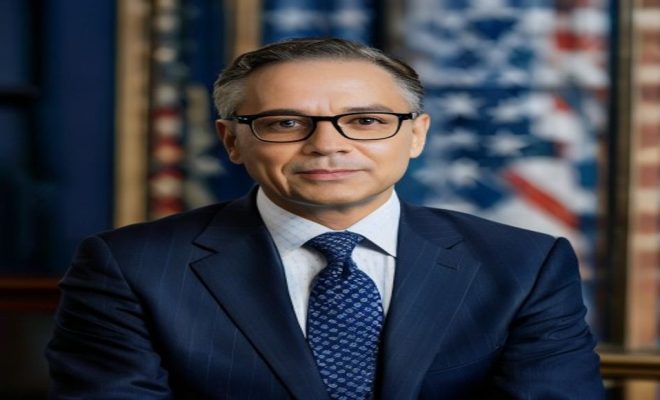
Trump Nominates Michael Chamberlain to OGE in 2026
“`html
Introduction: The Weight of a Nomination
On June 23, 2026, President Trump made headlines by nominating Michael Chamberlain to serve as the Director of the Office of Government Ethics. This announcement was not only significant because of the position’s critical role in ensuring ethical governance, but it also sparked an immediate wave of legal scrutiny and social media chatter. With ethics compliance and government oversight at the forefront of public concern, many are left wondering what this nomination truly means for the future of ethics in the federal government.
The Office of Government Ethics: A Brief Overview
The Office of Government Ethics (OGE) plays a vital role in maintaining the integrity of the federal government. Established in 1978, the OGE is tasked with overseeing the executive branch’s adherence to ethical standards. This includes providing guidance on ethical conduct, managing financial disclosures, and enforcing compliance with laws designed to prevent conflicts of interest. Given its responsibilities, the Director of the OGE holds enormous influence over how ethics are maintained across various government agencies.
Michael Chamberlain: Background and Qualifications
Before delving into the implications of his nomination, it’s essential to examine Michael Chamberlain‘s background. Chamberlain has a history in both law and public service, having previously worked in various governmental roles. His experience includes positions that required him to navigate complex legal frameworks and ethical dilemmas. However, his nomination has not come without controversy, especially regarding his previous associations and views on ethics, which have raised eyebrows among legal experts and the public alike.
The Emotional Impact of Chamberlain’s Nomination
The nomination of Michael Chamberlain has resonated deeply within the public consciousness. It taps into widespread fears related to government corruption, accountability, and the rule of law. In a time where confidence in governmental institutions is waning, the appointment of someone perceived as potentially controversial can provoke intense reactions. Many citizens are engaging in discussions on social media, expressing both support and concern over Chamberlain’s past and how it might influence his ability to perform in the role of Director of the OGE.
Legal Scrutiny: The Potential Conflicts of Interest
As with any high-profile appointment, legal experts have been quick to analyze the potential for conflicts of interest surrounding Chamberlain’s nomination. Concerns have been raised about his past associations and how they may intersect with his responsibilities at the OGE. The primary questions revolve around whether his previous positions or financial interests might impair his judgment or lead to questionable ethical decisions. Legal frameworks exist to address these concerns, but the effectiveness of those frameworks can vary depending on the individual’s integrity and commitment to ethical governance.
The Role of the Senate Confirmation Process
The Senate confirmation process serves as a critical checkpoint in the nomination of officials like Michael Chamberlain. During confirmation hearings, senators will scrutinize his qualifications, background, and potential conflicts of interest. This process not only allows for public transparency but also serves as a mechanism for accountability. However, the effectiveness of this process has come under fire in recent years, with critics arguing that it often falls short in genuinely assessing a nominee’s ethical standing.
Public Reaction: A Social Media Firestorm
Following the announcement of Chamberlain’s nomination, social media platforms erupted with debate. Users from all backgrounds shared their opinions, ranging from staunch support to vehement opposition. Hashtags related to ethics and accountability began trending, indicating that this nomination has struck a chord with the public. The emotional weight of this issue has made it a hot topic, as citizens express their concerns about the future of ethical governance in a polarized political climate.
Expert Opinions: Legal Analysts Weigh In
Legal analysts have been vocal about the implications of this nomination. Many have pointed out that while Chamberlain’s experience may qualify him for the role, the questions surrounding his past affiliations could pose challenges. Some experts argue that the nomination might usher in a renewed focus on ethics within the government, while others remain cautious, suggesting that it could instead lead to a further erosion of public trust. The legal implications of his nomination are likely to unfold over the coming months, making it crucial for citizens to stay informed.
The Consequences of Inadequate Ethical Oversight
The appointment of a Director to the Office of Government Ethics carries significant weight. If the OGE fails to uphold rigorous ethical standards, the consequences can be far-reaching. A lack of oversight can lead to corruption, misuse of power, and a decline in public trust. As citizens, understanding the stakes involved in this nomination can help cultivate a more informed electorate and advocate for stronger ethical governance. (See: Office of Government Ethics Overview.)
Moving Forward: What’s Next for Chamberlain?
As Michael Chamberlain awaits Senate confirmation, the coming weeks will be crucial. Senators will likely engage in robust discussions about his suitability for the role, and the public will continue to weigh in on the issue. It is vital for citizens to remain engaged in this process, as the future of ethical governance in the United States hangs in the balance. Will Chamberlain rise to the occasion and champion necessary reforms, or will his past overshadow his potential contributions? Only time will tell, but the dialogue surrounding this nomination is just beginning.
Understanding the Office of Government Ethics: Functions and Responsibilities
The OGE is not just a regulatory body; it is a cornerstone of ethical governance in the U.S. The office ensures that federal employees, including elected officials, adhere to established ethical standards. This responsibility involves a wide range of functions:
- Financial Disclosure: The OGE mandates that high-ranking officials submit detailed financial disclosures. This transparency is intended to prevent conflicts of interest by allowing the public to scrutinize potential financial entanglements.
- Advisory Opinions: The OGE provides advisory opinions to federal agencies, guiding them on ethical conduct. This support is crucial for agencies facing complex ethical dilemmas.
- Training and Outreach: The office conducts training sessions for federal employees, ensuring they understand their ethical obligations and the importance of integrity in public service.
- Enforcement Action: The OGE has the authority to recommend disciplinary actions against government employees who violate ethical standards, making its role even more critical in maintaining accountability.
The Importance of Ethical Standards in Government
Having robust ethical standards in government is essential for several reasons. Trust in government is a fragile commodity; once eroded, it can take decades to rebuild. Studies have shown that when citizens perceive their government as ethical, they are more likely to engage with it positively and participate in civic duties. According to a recent Pew Research Center study, nearly 70% of Americans believe that ethical standards in government are crucial for the health of democracy. This statistic highlights the significant public interest in maintaining high ethical standards among government officials.
Statistics on Public Trust in Government Ethics
Public trust in government ethics has shown worrying trends in recent years. According to a Gallup poll, only 20% of Americans express confidence in the honesty of their government representatives. This lack of trust can be detrimental to the functioning of democracy, as disengaged citizens may withdraw from participating in elections and civic activities.
Furthermore, a study conducted by the American Society for Public Administration found that 62% of citizens feel that ethical breaches among government officials are common. This perception creates a vicious cycle where the public’s belief in corruption leads to skepticism, which, in turn, can result in further ethical lapses.
Implications of Chamberlain’s Nomination on Government Ethics
The nomination of Michael Chamberlain could either restore or further erode public trust in government ethics. If he successfully advocates for stricter enforcement of ethical standards, it could signal a new era of accountability. However, if the public perceives him as favoring political interests over ethical governance, trust may decline even further.
In essence, the stakes are high. Chamberlain’s approach to leading the OGE will shape public perception of ethical governance for years to come. His ability to engage with different stakeholders, including advocacy groups, the legal community, and the public, will be pivotal in determining how well he navigates the complex landscape of governmental ethics.
Frequently Asked Questions (FAQ)
What is the Office of Government Ethics?
The Office of Government Ethics is an independent agency that oversees the ethical conduct of executive branch employees. Its primary functions include enforcing compliance with federal ethics laws, providing ethical guidance, and overseeing financial disclosures.
Why is Michael Chamberlain’s nomination controversial?
Chamberlain’s nomination raises concerns due to his past associations and opinions on ethics. Critics worry that his views may compromise the integrity of the OGE and its mission to ensure ethical governance. (See: Ethics in Government and Public Health.)
How does the Senate confirmation process work?
The Senate confirmation process involves hearings where senators question the nominee about their qualifications, background, and potential conflicts of interest. The Senate then votes on whether to confirm or reject the nomination.
What happens if the OGE fails to uphold ethical standards?
If the OGE fails to enforce ethical standards, it could lead to increased corruption, misuse of power, and a decline in public trust in government institutions. This situation can create a cycle of distrust among citizens, impacting civic engagement.
Are there any recent examples of ethical breaches in government?
Yes, several high-profile cases have surfaced in recent years, including misuse of campaign funds and conflicts of interest involving government contracts. These breaches highlight the importance of robust ethical oversight and the need for strong leadership at agencies like the OGE.
The Historical Context of the Office of Government Ethics
The establishment of the OGE in 1978 came in the wake of the Watergate scandal, which exposed widespread corruption at the highest levels of government. The scandal prompted a national outcry for greater accountability and transparency in political processes. Since then, the OGE has evolved to address new challenges in ethical governance, adapting to the changing political landscape.
Over the decades, the OGE has faced its share of criticisms and calls for reform. For instance, during the early 2000s, there were significant debates about the agency’s effectiveness in managing conflicts of interest, particularly following high-profile cases involving lobbyists and government officials. These discussions have often centered around the agency’s authority to enforce rules, with advocates urging for stronger enforcement mechanisms and clearer guidelines for ethical conduct.
Challenges Facing the Office of Government Ethics Today
As we look at the current landscape, the OGE faces numerous challenges that impact its ability to uphold ethical standards. One significant challenge is the sheer volume of financial disclosures and the resources required to analyze them effectively. With thousands of officials in the executive branch, ensuring compliance remains a daunting task.
Additionally, the rise of complex financial instruments and the increasing intertwining of politics and business have introduced new layers of potential conflicts of interest. For instance, the growing influence of tech companies and their lobbying efforts raises questions about how closely government officials can engage with these entities without compromising ethical integrity.
The Future of Government Ethics: Is Reform Needed?
The ongoing discussions surrounding Michael Chamberlain‘s nomination serve as a flashpoint for broader conversations about government ethics. Many advocates argue that comprehensive reform is necessary to ensure that the OGE can effectively enforce ethical standards. Suggested reforms include improving the agency’s budget to allow for more robust oversight capabilities, enhancing transparency in financial disclosures, and implementing stricter penalties for ethical violations. (See: New York Times on Chamberlain's Nomination.)
Moreover, an increasing number of experts are calling for a more inclusive discussion about ethics that involves civil society and the general public. By engaging a wider array of stakeholders, the OGE could work toward restoring public trust and ensuring that its policies reflect the values and concerns of the citizens it serves.
The Role of Public Engagement in Ethical Governance
Public engagement is critical in fostering a culture of ethical governance. Citizens can play a transformative role by advocating for greater transparency and accountability. Grassroots movements and advocacy organizations can hold nominees accountable and influence the confirmation process by mobilizing public opinion. Social media platforms now serve as powerful tools for activism, enabling individuals to share their concerns and amplify their voices.
Moreover, educating the public about ethical standards and the workings of the OGE can empower citizens to engage more effectively in governmental processes. By understanding how ethics affect decision-making and governance, individuals can better advocate for their interests and demand accountability from their representatives.
Potential Outcomes of Chamberlain’s Confirmation
The potential outcomes of Michael Chamberlain‘s confirmation could have far-reaching implications on the effectiveness of the OGE. If confirmed, he may introduce new policies aimed at strengthening ethical guidelines, which could enhance the agency’s reputation and rebuild public trust. His leadership style and willingness to engage with critics will be crucial during his tenure.
If the public perceives his leadership as transparent and committed to ethical governance, it could serve to galvanize support for the OGE’s mission. On the other hand, if his confirmation leads to perceptions of ethical compromises, it could exacerbate public distrust and skepticism about government accountability.
Conclusion: The Need for Vigilance in Government Ethics
The nomination of Michael Chamberlain to lead the Office of Government Ethics serves as a critical reminder of the importance of ethical governance. As discussions unfold and the Senate navigates this pivotal appointment, it’s essential for citizens to remain vigilant and informed. The implications of this nomination extend beyond one individual; they touch on society’s broader values regarding integrity, accountability, and the rule of law. In a time where trust in governmental institutions is paramount, this moment represents both a challenge and an opportunity for the future of American governance.
“`
Trending Now
- our breakdown of “fine motor activities that strengthen the pincer grasp in young children”
- our breakdown of “vygotsky’s zone of proximal development: what teachers need to know”
- “Hand-Eye Coordination Games That Don’t Require Special Equipment”
- read the full story
- read the full story
Frequently Asked Questions
What is the role of the Office of Government Ethics?
The Office of Government Ethics (OGE) oversees the ethical conduct of the executive branch, ensuring compliance with laws that prevent conflicts of interest. It provides guidance on ethical standards, manages financial disclosures, and enforces accountability in government practices.
Who is Michael Chamberlain?
Michael Chamberlain is a nominee for the Director of the Office of Government Ethics. He has a background in law and public service, with experience navigating complex legal and ethical issues, although his nomination has sparked controversy due to his past associations.
Why is Michael Chamberlain's nomination controversial?
Chamberlain's nomination is controversial due to his previous associations and views on ethics, which have raised concerns among legal experts and the public. These issues have led to scrutiny regarding his suitability for overseeing government ethics.
What impact does the Director of OGE have on government ethics?
The Director of the Office of Government Ethics significantly influences how ethical standards are maintained across federal agencies. This role is crucial for upholding accountability and integrity within the government, especially in light of public concerns about corruption.
How does the public view ethics in government?
The public is increasingly concerned about ethics in government, particularly regarding accountability and corruption. Chamberlain's nomination has intensified these concerns, highlighting the importance of ethical governance in restoring public trust in federal institutions.
Agree or disagree? Drop a comment and tell us what you think.