Keeping Learning Real, Relevant, and Relatable

Introduction: The Importance of Genuine Learning
In today’s fast-paced world, the landscape of education is constantly evolving. The traditional methods of teaching often fail to engage students, leading to a disconnect between the curriculum and the realities of life outside the classroom. To address this issue, educators and institutions are increasingly emphasizing the need for learning that is real, relevant, and relatable. This article delves into the significance of these three principles and explores strategies for integrating them into educational practices.
Real Learning: Bridging the Gap Between Theory and Practice
Real learning refers to the application of knowledge and skills in practical, real-world scenarios. It moves beyond rote memorization and encourages critical thinking, problem-solving, and creativity.
Experiential Learning: Engaging Students through Hands-On Experiences
Experiential learning is an effective method to promote real learning. This approach emphasizes active participation, allowing students to engage with the material in meaningful ways. For instance, internships, simulations, and projects that mirror real-life situations can enhance students’ understanding and retention of knowledge.
Case Study Analysis: Learning through Real-World Examples
Another strategy to foster real learning is through case study analysis. By examining real-world dilemmas and success stories, students can apply theoretical concepts to practical situations. This method not only enriches their learning experience but also equips them with the skills needed to address challenges in their future careers.
Relevant Learning: Connecting Education with the Modern World
Relevant learning ensures that the material taught in educational settings aligns with the interests and needs of students. By making connections to contemporary issues and trends, educators can enhance student engagement and motivation.
Curriculum Development: Aligning with Current Events and Trends
To create relevant learning experiences, educators must develop curricula that reflect current events and societal trends. For example, incorporating discussions about climate change, technology advancements, or social justice into lessons can make the content more appealing and applicable to students’ lives.
Interdisciplinary Approaches: Fostering Connections between Subjects
Interdisciplinary approaches can also enhance the relevance of learning. By integrating subjects such as science, history, and art, educators can demonstrate how different fields intersect and impact one another. This holistic perspective not only enriches the learning experience but also fosters critical thinking and creativity.
Relatable Learning: Creating Personal Connections to the Material
Relatable learning emphasizes the importance of personal connections between students and the material they are studying. When students see themselves in the content, they are more likely to engage and invest in their education.
Culturally Responsive Teaching: Valuing Diverse Perspectives
Culturally responsive teaching is a strategy that acknowledges and values the diverse backgrounds of students. By incorporating materials and examples that reflect students’ experiences and cultures, educators can create a more inclusive environment that fosters engagement and understanding.
Personalized Learning: Tailoring Education to Individual Needs
Personalized learning approaches can also enhance relatability. By allowing students to pursue their interests and learning styles, educators can create a more meaningful and engaging experience. This might include offering choices in assignments or allowing students to explore topics that resonate with them personally.
The Role of Technology: Enhancing Real, Relevant, and Relatable Learning
Technology plays a crucial role in facilitating real, relevant, and relatable learning experiences. With the rise of digital tools and resources, educators have more opportunities than ever to engage students.
Interactive Learning Platforms: Engaging Students through Technology
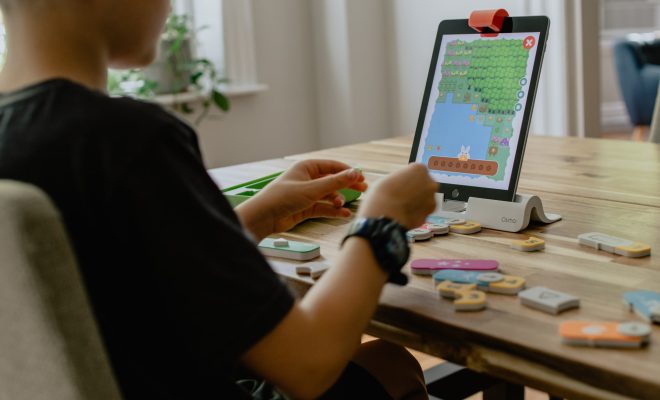
Interactive learning platforms, such as online simulations and gamified learning experiences, can provide students with real-world scenarios to explore. These platforms encourage active participation, critical thinking, and collaboration, making learning more dynamic and engaging.
Access to Information: Encouraging Self-Directed Learning
The internet provides students with access to a wealth of information and resources. This accessibility empowers learners to take charge of their education, explore topics of interest, and seek out real-world applications of their studies. Encouraging self-directed learning fosters a sense of ownership and relevance in students’ educational journeys.
Challenges to Implementing Real, Relevant, and Relatable Learning
While the principles of real, relevant, and relatable learning are essential, several challenges can arise in their implementation.
Curriculum Constraints: Balancing Standards with Engaging Content
One of the primary challenges educators face is balancing curricular standards with engaging, meaningful content. Many educational systems prioritize standardized testing, which can limit teachers’ ability to incorporate real-world applications and contemporary issues into their lessons.
Resource Limitations: Access to Tools and Training
Limited resources, such as funding for technology or professional development opportunities, can also hinder educators’ ability to implement innovative teaching methods. Schools must prioritize investments in training and resources to enable teachers to create engaging and relevant learning experiences.
Teacher Training: Preparing Educators for Innovative Approaches
Another significant challenge is the need for ongoing teacher training. Educators must be equipped not only with content knowledge but also with the pedagogical skills necessary to implement real, relevant, and relatable learning strategies. Professional development programs should focus on innovative teaching methods and provide educators with the tools they need to effectively engage their students.
Collaboration and Support: Building a Community of Learners
Creating a supportive network among educators can also facilitate the implementation of these learning principles. Collaborative teaching models, where teachers work together to integrate their expertise and share resources, can enhance the quality of education. Peer mentoring and professional learning communities can foster a culture of continuous improvement and innovation in teaching practices.
Feedback Mechanisms: Understanding Student Needs
Implementing feedback mechanisms is crucial to understanding how effectively learning is resonating with students. Regular assessments, surveys, and discussions can provide valuable insights into whether the learning experiences are meeting students’ needs and expectations. This ongoing dialogue can help educators adjust their approaches to ensure that learning remains real, relevant, and relatable.
Engaging Parents and the Community: A Collaborative Approach
Engaging parents and the broader community in the educational process can also enhance the relevance and relatability of learning experiences. Schools can host workshops and events that invite families to participate in their children’s education, fostering a sense of community and shared responsibility. Involving local businesses and organizations in curriculum development can also provide students with opportunities to connect learning with real-world applications.
Conclusion: [Brief Description]
The principles of keeping learning real, relevant, and relatable are essential for fostering an engaging and effective educational environment. By addressing the challenges and implementing targeted strategies, educators can create dynamic learning experiences that resonate with students and prepare them for success in an ever-changing world.