Iran Unveils Secret Underground Missile City in 2026
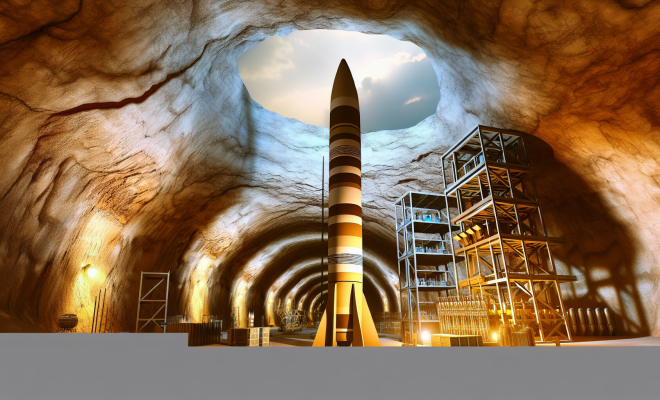
On March 14, 2026, Iran made headlines by unveiling a clandestine military installation, referred to as a ‘missile city.’ This underground complex is said to house a substantial inventory of missiles and advanced naval drones, all aimed at targeting and potentially sinking American warships. The revelation comes at a time of escalating regional tensions, highlighting Iran’s military readiness and strategic ambitions in the Persian Gulf.
The Revelation of the ‘Missile City’
The announcement of this secretive military structure signals a significant development in Iran’s military capabilities. The ‘missile city’ is designed to be a fortified launch site for missiles and drones, reinforcing the nation’s defensive and offensive posture in the region. Furthermore, the unveiling was accompanied by a demonstration of lethal naval drones that are reportedly prepared to engage U.S. naval assets in the Gulf.
Strategic Implications
According to Iranian officials, the purpose of this hidden complex is to disrupt global shipping routes, particularly through the strategic Strait of Hormuz, which is a vital waterway for international trade and oil transportation. The Iranian government has openly vowed to utilize these advanced military technologies to target neighboring nations that host U.S. military installations, with Saudi Arabia being a primary focus.
Increased Military Readiness
The timing of this revelation is particularly notable, as it coincides with ongoing conflicts in the region that have entered their 14th day. These conflicts have seen incidents involving U.S. aircraft crashes and a series of retaliatory strikes. Reports indicate that Saudi Arabia has intercepted a total of 28 drones launched from Iranian territory, further illustrating the heightened state of alert and military engagement in the area.
Iran’s Naval Drone Capabilities
The naval drones displayed by Iran are part of a broader strategy to enhance its asymmetric warfare capabilities. These drones, designed for precision strikes against naval vessels, could pose a significant threat to American warships operating in the Gulf. Experts suggest that the introduction of such technology could shift the balance of power in the region, particularly if Iran successfully integrates these drones into its operational tactics.
Potential for Regional Conflict
- Direct Threats to U.S. Forces: The presence of advanced missile and drone systems poses a direct threat to U.S. military assets in the region.
- Impact on Global Shipping: Disruption of shipping routes through the Strait of Hormuz could lead to significant economic repercussions globally.
- Escalation of Hostilities: Continued military posturing may lead to an escalation of hostilities between Iran and its regional adversaries, particularly the U.S. and Saudi Arabia.
Geopolitical Context
The revelation of Iran’s missile city comes against a backdrop of complex geopolitical dynamics in the Middle East. The U.S. has maintained a significant military presence in the region, particularly in response to Iran’s nuclear ambitions and its support for proxy groups in countries like Syria and Yemen. Iran’s recent military demonstrations can be viewed as a show of strength and a warning to its adversaries that it possesses the capability to defend its interests and retaliate if provoked.
International Reactions
Following the unveiling, international reactions have been swift. Analysts and military experts are scrutinizing Iran’s military advancements and assessing their implications for regional security. There are concerns that these developments could prompt a reevaluation of military strategies by the U.S. and its allies, particularly as Iran continues to enhance its military capabilities.
Conclusion
The unveiling of Iran’s ‘missile city’ marks a critical moment in the ongoing tensions in the Middle East. As Iran continues to develop its military infrastructure and capabilities, the potential for conflict remains a pressing concern for the international community. With the threat of drone strikes and missile attacks looming, the balance of power in the region may be shifting, necessitating a careful reassessment of the strategies employed by the U.S. and its allies moving forward.