How to Revolutionize the US Educational System

Introduction: Understanding the Need for Change
The US educational system has long been a topic of debate, with numerous stakeholders advocating for reforms to address persistent issues such as inequality, outdated curricula, and an overemphasis on standardized testing. As the world continues to evolve at an unprecedented pace, it is imperative to revolutionize the educational landscape to better equip students for the future. This article explores innovative strategies and transformative ideas that can reshape the US educational system, fostering an environment where every student can thrive.
Curriculum Reform: Emphasizing Critical Thinking and Creativity
One of the fundamental areas needing reform is the curriculum. Traditional educational frameworks often prioritize rote memorization and standardized assessments over critical thinking and creativity. To revolutionize the educational experience, it is essential to develop a curriculum that encourages problem-solving and innovation.
Project-Based Learning: Engaging Students Through Real-World Applications
Project-based learning (PBL) is an instructional method that promotes active learning through hands-on projects. In this approach, students tackle real-world problems, fostering collaboration and critical thinking.
Benefits of Project-Based Learning:
- Enhances student engagement by making learning relevant.
- Develops essential skills such as teamwork and communication.
- Encourages a deeper understanding of subject matter through practical application.
Integrating Technology: The Role of Digital Tools in Education
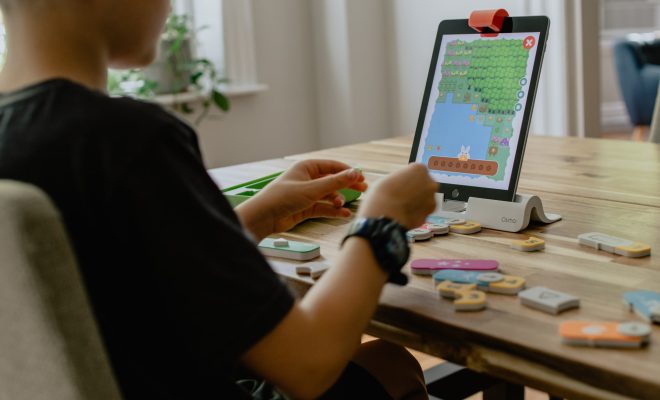
Incorporating technology into the classroom is crucial for modernizing education. Digital tools can enhance learning experiences and provide students with access to a wealth of resources.
Flipped Classroom Model: Transforming Traditional Teaching Methods
The flipped classroom model allows students to learn new content at home through videos or online resources, while class time is dedicated to discussions and hands-on activities.
Advantages of the Flipped Classroom Model:
- Maximizes classroom time for interactive learning and collaboration.
- Supports diverse learning paces, allowing students to absorb information before engaging in discussions.
- Provides educators with the opportunity to offer personalized support during class.
Equity and Accessibility: Addressing Systemic Inequalities
To truly revolutionize the US educational system, it is essential to address the systemic inequalities that pervade it. Ensuring that all students have access to quality education is a moral imperative.
Universal Access to Technology: Bridging the Digital Divide
The COVID-19 pandemic highlighted the disparities in access to technology and the internet among students. To address this, initiatives must be implemented to provide all students with necessary devices and internet connectivity.
Strategies for Ensuring Universal Access:
- Government-funded programs to supply devices to low-income families.
- Collaborations with internet service providers to offer affordable connectivity options.
- Community initiatives to establish public Wi-Fi hotspots in underserved areas.
Culturally Responsive Teaching: Embracing Diversity in the Classroom
Culturally responsive teaching is an educational approach that recognizes and values students’ cultural backgrounds. By incorporating diverse perspectives into the curriculum, educators can create a more inclusive environment.
Key Components of Culturally Responsive Teaching:
- Curriculum that reflects the histories, experiences, and contributions of various cultures.
- Teaching strategies that acknowledge and respect students’ cultural differences.
- Building relationships with students to foster a sense of belonging.
Teacher Training and Support: Investing in Educators
Teachers are at the heart of the educational system, and their professional development is crucial for implementing effective reforms. Investing in teachers through ongoing training and support can lead to improved student outcomes.
Mentorship Programs: Supporting New Educators
Establishing mentorship programs can provide new teachers with guidance and resources as they navigate their early careers. Experienced educators can offer valuable insights and support, fostering a collaborative environment.
Advantages of Teacher Mentorship Programs:
- Reduces teacher turnover by providing a support system.
- Enhances teaching practices through shared experiences and collaborative learning.
- Encourages professional growth and development.
Holistic Education: Focusing on the Whole Child
Revolutionizing education means recognizing that students are more than just academic achievers. A holistic approach to education considers the emotional, social, and physical well-being of students.
Social-Emotional Learning: Building Resilience and Empathy
Integrating social-emotional learning (SEL) into the curriculum can help students develop essential life skills. SEL programs teach students to manage their emotions, set goals, and establish positive relationships.
Benefits of Social-Emotional Learning:
- Fosters a positive school climate and reduces behavioral issues.
- Improves academic performance by enhancing focus and engagement.
- Prepares students for success in their personal and professional lives.
Community Involvement: Strengthening School-Community Partnerships
Engaging the community in the educational process can provide additional resources and support for students. Schools should actively seek partnerships with local organizations, businesses, and families.
Collaborative Initiatives: Examples of Community Engagement
- After-school programs that provide tutoring and mentorship.
- Local businesses offering internships and real-world experiences.
- Family engagement initiatives that encourage parental involvement in education.
Student Voice and Agency: Empowering Learners
Empowering students to have a voice in their education can lead to increased motivation and ownership of their learning experience. Schools should create pathways for students to express their thoughts and ideas.
Strategies for Enhancing Student Voice:
- Establish student councils where learners can discuss and advocate for changes in school policy.
- Implement feedback loops, allowing students to provide input on curriculum and teaching methods.
- Encourage student-led initiatives that promote community service and civic engagement.
Assessment Reform: Moving Beyond Standardized Testing
Standardized testing has long been a cornerstone of educational assessment in the US. However, reliance on these tests can undermine the educational experience by narrowing the curriculum and causing undue stress for students.
Alternatives to Standardized Testing:
- Portfolio assessments that showcase a student’s learning journey through projects and reflections.
- Performance-based assessments that evaluate students through hands-on demonstrations of knowledge and skills.
- Formative assessments that provide ongoing feedback to inform instruction and support student growth.
Sustaining Change: Creating Long-Term Strategies
For educational reform to be successful, it must be sustainable. This involves creating long-term strategies that engage all stakeholders, including educators, policymakers, parents, and the community.
Framework for Sustainable Educational Change:
- Establishing continuous professional development for educators to stay abreast of best practices.
- Involving parents and community members in decision-making processes to foster a sense of ownership.
- Allocating funding and resources to support innovative programs and initiatives.
In conclusion, the US educational system is at a pivotal moment where revolutionary change is not only possible but necessary. By embracing innovative strategies that prioritize student engagement, equity, and holistic development, we can pave the way for a more effective and inclusive educational landscape.
Conclusion: Embracing Change for a Brighter Future
Revolutionizing the US educational system requires a comprehensive approach that prioritizes innovation, equity, and student engagement. By reimagining curricula, enhancing teacher support, and reforming assessment methods, we can create an educational environment that empowers all students to thrive. With collective effort and commitment, we can transform our schools into dynamic spaces that foster lifelong learning and prepare future generations for success.