Arapaima Conservation: A Global Hope for Endangered Species 2026
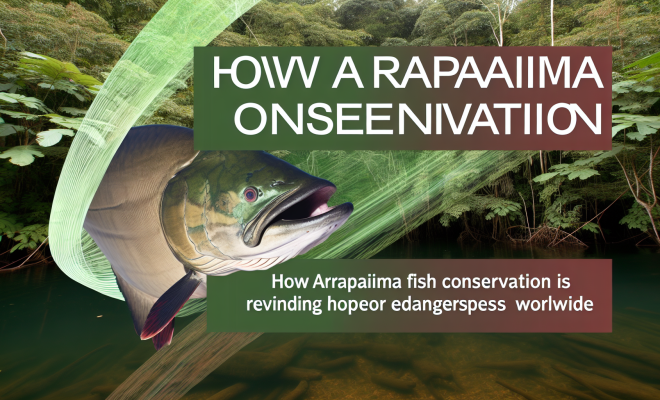
The arapaima fish conservation initiative is generating headlines across the globe, shining a light on a remarkable recovery story that may inspire similar programs for other endangered species. Featured on the cover of the May 7, 2026, issue of the esteemed journal Science, the arapaima, a colossal freshwater fish native to the Amazon, has become a symbol of hope and resilience in the face of environmental challenges.
The Arapaima: A Majestic Giant of the Amazon
The arapaima gigas, also known as paiche, is one of the largest freshwater fish in the world, reaching lengths of up to 15 feet and weighing over 440 pounds. This prehistoric-looking fish is not only a remarkable specimen of biodiversity but also plays a crucial role in the Amazon ecosystem. The arapaima is known for its distinctive appearance, including a long, streamlined body and a large, flat head, which contributes to its ability to thrive in the diverse habitats of the Amazon River Basin.
The Plight of the Arapaima
Despite its impressive stature and ecological importance, the arapaima is critically endangered due to overfishing, habitat destruction, and the illegal wildlife trade. Historically, this species was abundant and formed an integral part of local fisheries. However, as demand for arapaima meat surged, populations plummeted, leading to significant declines that threatened its survival.
For years, the arapaima faced the prospect of extinction, prompting conservationists to take action. The complexities of their reproductive cycle, coupled with environmental pressures, made recovery seem like a monumental task. However, recent conservation efforts have demonstrated that with concerted action and collaboration, positive change is indeed possible.
A Breakthrough in Conservation Strategies
The arapaima fish conservation efforts represent a turning point in wildlife protection strategies. A multi-faceted approach combining local community engagement, sustainable fishing practices, and habitat restoration has proven effective in revitalizing arapaima populations. This innovative strategy includes:
- Community Involvement: Local communities have been engaged as key stakeholders in conservation efforts. By educating them about the ecological importance of the arapaima and providing economic incentives for sustainable practices, communities are empowered to protect their natural resources.
- Sustainable Fisheries Management: Regulations have been established to manage arapaima fishing quotas, ensuring that fishing practices do not exceed sustainable limits. This includes monitoring fish populations and implementing seasonal closures to allow for recovery.
- Habitat Restoration: Efforts are underway to restore and protect the natural habitats of the arapaima, which include both river systems and floodplain ecosystems. Reforestation projects and wetland conservation contribute to creating a healthier environment for the fish.
International Cooperation: A Key to Success
International cooperation has been instrumental in the success of the arapaima fish conservation initiative. Conservation organizations, governments, and scientists have collaborated across borders to develop and implement effective strategies. Notably, partnerships between Brazil, Peru, and international NGOs have paved the way for comprehensive conservation policies that transcend national boundaries.
This collaborative effort fosters not only the recovery of the arapaima but also supports broader conservation goals in the Amazon, which is home to countless species and critical ecosystems. By working together, these nations aim to create a unified front against the threats posed by climate change, deforestation, and biodiversity loss.
A Ray of Hope: The Arapaima’s Remarkable Comeback
Recent studies have shown promising results, with arapaima populations experiencing significant boosts in certain protected areas. According to the findings published in Science, populations in designated conservation zones have increased by over 40% in the last five years. This quantifiable success not only highlights the effectiveness of conservation efforts but also serves as a beacon of hope for other endangered species facing similar threats.
This positive trend has attracted widespread attention on social media, where wildlife enthusiasts and environmental advocates are sharing the inspiring narrative of the arapaima’s recovery. The emotional resonance of this story, coupled with its scientific validation, creates a powerful message that resonates with audiences across demographics. It underscores the idea that with dedicated efforts and innovative strategies, extinction can be averted.
Driving Donations and Awareness
Conservation organizations are leveraging the momentum generated by this success story to drive donations and increase awareness of the importance of preserving not only the arapaima but also the rich biodiversity of the Amazon. Campaigns are being launched to encourage individuals to support conservation initiatives, with funds directed towards habitat restoration, community education, and sustainable fishing practices.
The narrative of the arapaima’s recovery is being shared through various platforms, from social media to documentaries, making it a trending topic. This increase in visibility is critical for garnering support from individuals and organizations alike, reinforcing the notion that everyone has a role to play in the conservation of our planet’s precious resources.
Lessons for Future Conservation Efforts
The success of arapaima fish conservation offers valuable lessons for future conservation initiatives. Some of the key takeaways include:
- The Importance of Local Knowledge: Engaging local communities and leveraging their knowledge of the ecosystem is vital for crafting effective conservation strategies.
- Long-Term Commitment: Conservation is not a quick fix; it requires sustained effort, funding, and monitoring to ensure lasting success.
- Collaboration is Key: International cooperation allows for the sharing of resources, knowledge, and best practices, which can significantly enhance conservation outcomes.
- Public Awareness Drives Action: Raising awareness and generating public interest can lead to increased support for conservation initiatives and ultimately drive policy changes.
Looking Ahead: The Future of Arapaima Conservation
While the recent successes in arapaima conservation are encouraging, challenges remain. Ongoing threats such as climate change, pollution, and illegal fishing practices continue to put pressure on the species and its habitat. To ensure the future of the arapaima and the ecosystems it inhabits, continued vigilance and proactive measures are essential.
As the world becomes increasingly aware of the importance of biodiversity and the interconnectedness of ecosystems, the story of the arapaima can serve as a powerful reminder of what is possible when we come together to protect our planet. By sharing the tale of the arapaima’s comeback, we can inspire further action and investment in conservation efforts for other endangered species across the globe.
Conclusion: A Call to Action
The arapaima fish conservation initiative exemplifies the potential for recovery through innovative strategies, community engagement, and international cooperation. As we celebrate the progress made, it’s essential to remain committed to the preservation of the arapaima and the diverse ecosystems of the Amazon.
Let this story fuel a collective movement towards environmental stewardship, reminding us that every effort counts in the fight against extinction. Together, we can ensure a sustainable future for the arapaima, and in doing so, create a brighter future for the planet as a whole.