AI Mediation Sparks Controversy: The 2026 Debate
“`html
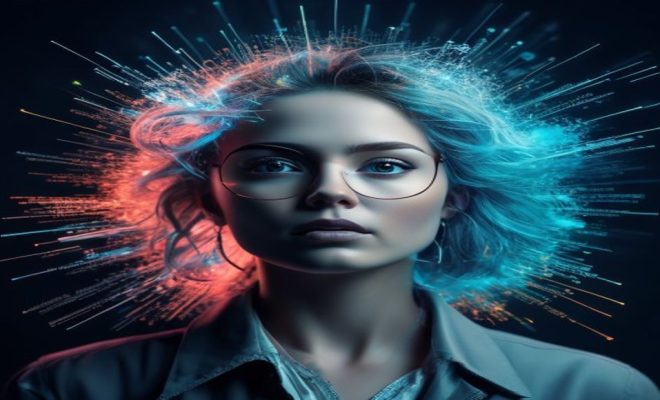
In an age where technology seems to stretch the boundaries of human experience, a recent Instagram reel by filmmaker Zach King has ignited a wildfire of discussions around the role of artificial intelligence in resolving disputes. Titled ‘she is real…’, this viral post, shared on June 27, 2026, showcases an AI-generated character that has captivated audiences and sparked an ongoing AI mediation debate. Within just 24 hours, the post garnered over 111,000 likes and nearly 1,200 comments, reflecting a significant public interest in this controversial topic.
The Viral Sensation Behind AI Mediation
Zach King’s Instagram reel is more than just a creative endeavor; it’s a reflection of the transformational shifts happening in our society. The clip demonstrates how AI can effectively mediate conflicts, leading to resolutions that may not have been possible through human intervention alone. King’s own words, “I am not okay with how well it works,” encapsulate the ambivalence many feel toward this development. On one hand, the effectiveness of AI mediation could herald a new era of efficiency and impartiality in conflict resolution. On the other, it raises serious ethical questions about replacing human judgment with algorithms.
The Mechanics of AI Mediation
Before diving deeper into public sentiment, it’s crucial to understand what AI mediation entails. Essentially, AI mediation involves using advanced algorithms and machine learning techniques to analyze conflicts and suggest resolutions. Unlike traditional mediation, where a human mediator facilitates an understanding between parties, AI systems analyze vast amounts of data, past cases, and behavioral patterns to offer solutions that might not be immediately apparent.
For example, an AI mediation platform might evaluate how similar disputes were resolved in the past, weighing the emotional and logical factors involved. This data-driven approach could lead to quicker resolutions, potentially reducing the time and cost associated with traditional mediation processes. Yet, as King’s video suggests, this effectiveness can be unsettling. Many individuals question whether an AI can truly understand the nuanced human emotions that often underpin conflicts.
Public Response: Support and Skepticism
The reaction to King’s reel is emblematic of a broader societal struggle: how to embrace technological advancement while also grappling with its implications. The post has sparked a flurry of discussions, with some praising the efficiency of AI mediation while others express deep concern over its ethical ramifications. The comment section of King’s post illustrates this divide, featuring everything from enthusiastic endorsements of AI technology to passionate denunciations of its potential to usurp human roles in sensitive matters.
A user may write, “AI mediation can save us time and resources,” while another counters, “AI can never understand the human experience. It’s dangerous to rely on machines for something as personal as conflict resolution.” This dichotomy is at the heart of the ongoing AI mediation debate, with each side presenting compelling arguments.
The Ethical Dilemma: Human Judgment vs. Machine Logic
One of the most pressing concerns raised in the discussions surrounding AI mediation is the ethical implications of allowing machines to make decisions that have significant consequences on human lives. Traditional mediation relies heavily on the mediator’s ability to empathize, interpret emotions, and facilitate nuanced discussions. Can a machine replicate this level of human insight?
Critics argue that AI lacks the capacity for empathy and emotional understanding, which are crucial in resolving disputes that often stem from deeply personal issues. They caution against a future where human conflicts are resolved by algorithms that may prioritize efficiency over understanding. This concern isn’t just hypothetical; there are real-world examples where AI has made decisions that led to unintended consequences. For instance, when AI systems are trained on biased data, they can perpetuate existing inequalities, leading to unfair outcomes in mediation scenarios.
The Promise of Efficiency
On the flip side, supporters of AI mediation highlight its potential to dramatically improve the efficiency of conflict resolution. In situations where time is of the essence—such as in legal disputes or high-stakes negotiations—AI can process vast amounts of information and offer solutions almost instantaneously.
For example, a tech startup could use AI mediation to resolve a contractual dispute with a supplier. By analyzing previous cases and identifying patterns in negotiation outcomes, the AI could suggest a resolution that satisfies both parties more quickly than if they were relying solely on human mediators. This speed can be especially appealing in commercial environments, where time often equates to money, and prolonged disputes can lead to significant financial losses.
Global Perspectives on AI Mediation
The AI mediation debate isn’t confined to a single nation or culture. Countries around the world are grappling with the implications of integrating AI into their social and legal frameworks. In places like Japan and South Korea, where technology adoption is rapid, there’s a growing acceptance of AI-mediated dispute resolution systems. These nations have begun to implement AI in various sectors, from customer service to legal mediation. (See: Artificial Intelligence and health.)
Conversely, in other regions, particularly those with strong traditional mediation practices, there’s resistance to the idea of AI stepping in where human intuition and empathy are deemed irreplaceable. For instance, in many African cultures, mediation is rooted in community values and deep interpersonal relationships, which can be undermined by an impersonal technological approach.
The Role of AI in Future Conflict Resolution
As we look to the future, the question arises: how will AI mediation evolve? If AI continues to prove effective in resolving conflicts, it may become a standard practice in various industries. Yet, the success of these technologies will hinge on addressing the ethical concerns that have arisen. For more on this, see reshaping our tech perspectives.
One potential solution could be a hybrid approach that combines AI capabilities with human oversight. In this model, AI could perform the initial assessment of a dispute and suggest possible resolutions, but a trained mediator would still facilitate the conversation, ensuring that human emotions and nuances are addressed. This could strike a balance between efficiency and the human touch that traditional mediation provides.
Case Studies and Real-World Applications
Several organizations and platforms have already started experimenting with AI mediation. For instance, online dispute resolution (ODR) platforms are emerging, utilizing AI tools to help resolve issues ranging from e-commerce disputes to family law matters. These platforms often employ chatbots to guide users through the mediation process, offering suggestions based on data-driven insights.
In one notable case, a prominent ODR platform reported a significant reduction in resolution times thanks to AI involvement. Users were able to reach agreements in hours rather than weeks, showcasing the potential effectiveness of these systems. However, the same platform also faced scrutiny when it was revealed that certain disputes ended with outcomes that stakeholders felt were unjust, leading to public outcry and calls for more human involvement in the process.
Educational Initiatives and Public Awareness
The rapid growth of AI technologies necessitates an informed public. Educational initiatives aimed at raising awareness about AI mediation can help demystify these technologies and address public concerns. Workshops, seminars, and online courses exploring AI’s role in conflict resolution can promote understanding and foster a more informed debate.
By equipping individuals with knowledge about how AI mediation works, its benefits, and its potential pitfalls, we can cultivate a society that is better prepared to engage in discussions about its ethical implications. Transparency will be key; the more users understand the algorithms behind AI mediation, the more comfortable they may feel about its integration into conflict resolution.
Moving Forward: What Lies Ahead?
The AI mediation debate is unlikely to be resolved anytime soon. As technology progresses, it will continue to influence the way we handle conflicts. While the promise of efficiency and impartiality is enticing, it comes with significant ethical considerations that cannot be ignored.
The ongoing discussions prompted by Zach King’s Instagram reel serve as a microcosm for the larger debate over AI’s role in society. As we advance, it will be essential to find a way to integrate AI into conflict resolution in a manner that respects human values and dignity. Balancing the benefits of efficiency with the necessity of human understanding will be critical in shaping the future of mediation.
Ultimately, whether AI mediation becomes a trusted tool or a source of contention will depend on how society addresses these challenges. As King’s post shows, the world is watching closely, and the conversations we have today will shape the landscape of conflict resolution for generations to come.
Deconstructing the AI Mediation Debate
To fully grasp the AI mediation debate, it’s essential to dissect both sides of the argument with deeper analysis. Let’s categorize the key points into two main positions: proponents and opponents.
Proponents of AI Mediation
Supporters of AI mediation argue that artificial intelligence can bring several advantages to conflict resolution: (See: AI mediation ethics discussion.)
- Efficiency: AI can process information quickly and suggest solutions almost instantly, which is particularly beneficial in time-sensitive scenarios.
- Cost-effectiveness: The reduced need for human mediators can lower costs significantly, making mediation more accessible to individuals and businesses alike.
- Impartiality: AI systems can potentially offer unbiased solutions, free from human emotional interference or personal biases that often affect human mediators.
- Scalability: AI mediation can handle multiple cases simultaneously, providing assistance where human resources may be limited.
Opponents of AI Mediation
On the other hand, detractors raise several concerns:
- Loss of human touch: Critics argue that AI cannot replicate the empathy and understanding that human mediators provide, which are essential in resolving complex personal disputes.
- Ethical concerns: There are fears that AI could perpetuate biases if trained on flawed data, leading to unjust outcomes.
- Accountability: In cases where AI mediation fails, determining responsibility can be complex—who is accountable for poor decisions, the developers, the users, or the AI itself?
- Over-reliance on technology: There is concern that society may become too dependent on technology for conflict resolution, risking the erosion of interpersonal negotiation skills.
Statistics and Trends in AI Mediation
Recent statistics illuminate the growing trend of AI mediation and its anticipated impact. According to a 2023 survey by the International Association for Conflict Management, over 40% of organizations in the United States are currently exploring AI solutions for dispute resolution.
Furthermore, a study by McKinsey & Company predicts that the AI mediation market could reach $7.7 billion by 2025, reflecting a compound annual growth rate (CAGR) of 25%. This rapid growth is indicative of broadening acceptance of AI in various sectors, with startups and established firms alike investing heavily in this technology.
Expert Perspectives on AI Mediation
To provide a rounded view of the AI mediation debate, we sought insights from experts in the fields of conflict resolution and artificial intelligence. Dr. Emily Tran, a conflict resolution specialist, emphasizes the necessity of maintaining human oversight in AI mediation. “While AI can be a valuable tool, it should never fully replace human mediators. The nuances of human emotion and context are irreplaceable,” she asserts.
On the other hand, AI ethicist Dr. James Albright advocates for the integration of AI in mediation, arguing, “AI can enhance our mediation processes by providing data-driven insights that humans can overlook. It’s about augmenting human capabilities, not replacing them.” This perspective points towards a potential future where collaboration between human and machine could yield the best of both worlds.
Frequently Asked Questions (FAQ) about AI Mediation
1. What is AI mediation?
AI mediation refers to the use of artificial intelligence algorithms and machine learning techniques to analyze disputes and suggest potential resolutions. It aims to improve the efficiency and impartiality of conflict resolution processes.
2. Can AI truly understand human emotions?
Currently, AI systems lack the capacity for empathy and emotional understanding, which are crucial in mediation. While AI can analyze data and recognize patterns, it cannot comprehend the depth of human emotions involved in personal conflicts.
3. What are the main benefits of AI mediation?
The primary benefits include increased efficiency, lower costs, impartiality, and the ability to handle multiple cases simultaneously. These factors make AI mediation an attractive option for many organizations. We covered thoughtful debate on science topics in more detail.
4. What are the risks associated with AI mediation?
Risks include the potential for biased outcomes if AI systems are trained on flawed data, loss of human touch, accountability issues, and over-reliance on technology for conflict resolution.
5. How can AI mediation coexist with human mediators?
A hybrid approach is proposed, where AI assists in the initial assessment of disputes and suggests resolutions, while human mediators facilitate discussions to ensure that emotional and contextual factors are adequately addressed. (See: AI in conflict resolution research.)
6. What is the future outlook for AI mediation?
The future of AI mediation looks promising, with growing acceptance across various sectors. However, ethical considerations and the need for human oversight remain critical for its successful integration into conflict resolution practices.
Real-Life Examples of AI Mediation in Action
To better understand how AI mediation is being implemented, consider the case of a major online retail platform that integrated AI mediation into its dispute resolution process. When customers raised issues about product quality or delivery delays, AI bots assessed the complaints, analyzed past resolutions, and proposed solutions to the parties involved. In many cases, disputes that would have taken days to resolve were settled within hours, improving customer satisfaction significantly.
Another example can be found in labor negotiations. A tech company recently employed AI tools to analyze employee grievances and previous negotiation outcomes, leading to faster agreements on workplace policies. By providing data-driven insights, the AI helped human negotiators focus on key issues without getting bogged down in the minutiae, illustrating how AI can enhance rather than replace human capabilities.
Perspectives from the Frontlines: Mediators’ Views on AI
Many mediators are weighing the pros and cons of AI integration into their practice. A mediator with over 20 years of experience shared that while AI can streamline certain aspects of the mediation process, it cannot replace the trust and rapport built during face-to-face interactions. “People need to feel heard and understood, especially in sensitive cases like family disputes. An algorithm can’t provide that emotional connection,” they said.
Conversely, a younger mediator who has embraced technology believes that AI can complement their work. “AI tools help me prepare for sessions and provide insights I might not have considered. It’s about enhancing my capabilities, not taking away my role,” they remarked. This generational divide reflects the broader debate around the acceptance of AI in mediation and the varying perceptions of its benefits.
Addressing Concerns: How to Ensure Ethical AI Mediation
As AI mediation becomes more prevalent, addressing ethical concerns is paramount. Developing clear guidelines and ethical standards for AI use in mediation is essential. This includes ensuring transparency in how algorithms operate, regular audits of AI systems to identify and mitigate biases, and establishing protocols for accountability when AI systems fail to deliver fair outcomes.
Moreover, involving diverse stakeholders in the development of these systems can help create more inclusive AI mediation frameworks. By integrating voices from various backgrounds, developers can better understand and address the unique challenges faced by different communities in dispute resolution.
Conclusion: Navigating the Future of Conflict Resolution
The AI mediation debate underscores a significant shift in how we approach conflict resolution. As technology continues to evolve, the dialogue surrounding the ethical, practical, and emotional implications of AI in mediation will remain vital. The challenge ahead is to harness the potential of AI while ensuring that human values and emotional complexities are preserved in the process. The stakes are high, and the decisions made today will have lasting effects on how we resolve conflicts tomorrow.
“`
Trending Now
Frequently Asked Questions
What is AI mediation?
AI mediation involves using artificial intelligence systems to analyze conflicts and suggest resolutions based on data and algorithms. Unlike traditional mediation, which relies on human facilitators, AI uses vast amounts of data and behavioral patterns to propose solutions, potentially leading to quicker and more efficient outcomes.
How does AI mediation work?
AI mediation works by employing advanced algorithms and machine learning techniques to evaluate conflicts. These systems analyze past cases, emotional factors, and behavioral patterns to provide tailored resolutions, allowing for a more data-driven approach compared to traditional methods.
What are the benefits of AI mediation?
The benefits of AI mediation include increased efficiency, impartiality, and the ability to analyze vast amounts of data for conflict resolution. This can lead to quicker outcomes and may uncover solutions that human mediators might overlook, enhancing the overall mediation process.
What are the ethical concerns surrounding AI mediation?
Ethical concerns regarding AI mediation include the potential loss of human judgment and empathy in conflict resolution. Critics argue that replacing human mediators with algorithms may overlook the emotional nuances of disputes, leading to solutions that lack the necessary human touch.
Why is AI mediation a controversial topic?
AI mediation is controversial due to its implications for human judgment and the ethical dilemmas it presents. While it offers efficiency and data-driven solutions, many worry about the reliability of algorithms in sensitive situations and the potential for dehumanizing conflict resolution.
What did we miss? Let us know in the comments and join the conversation.