India Heatwave 2024: School Closures & Timing Changes
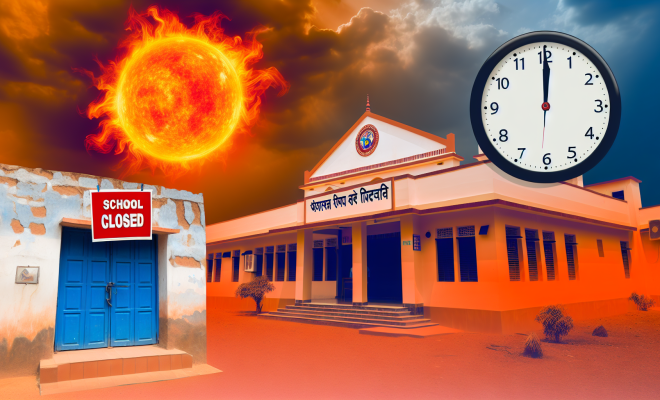
As India grapples with a severe heatwave, many states have been forced to take drastic measures affecting educational institutions. The soaring temperatures have prompted widespread school closures and changes to school timings, affecting millions of students across the country. This article delves into the implications of the current heatwave, providing detailed state-wise updates on how various regions are responding to this extreme weather phenomenon.
The Heatwave: A Growing Concern
In recent weeks, India has been experiencing a significant rise in temperatures, particularly across the northern plains. The India Meteorological Department (IMD) has reported that temperatures in many regions have exceeded normal levels by several degrees, leading to health advisories and emergency measures.
Understanding the Meteorological Context
The IMD has classified the current heatwave as one of the most intense in recent years. This classification is based on a combination of factors, including:
- High Peak Temperatures: Many regions have recorded temperatures exceeding 40 degrees Celsius.
- Prolonged Duration: The heatwave has lasted for several consecutive days, putting pressure on local infrastructure and health services.
- Geographical Impact: The northern plains, including states like Uttarakhand, Uttar Pradesh, Punjab, and Haryana, have been particularly hard-hit.
State-wise Impact: School Closures and Timing Adjustments
The impact of the heatwave has been felt across various states, prompting school authorities to take immediate action to safeguard students’ health and well-being. Below is a comprehensive overview of how different states are responding to the heatwave.
Uttarakhand
In Uttarakhand, the situation has escalated to the point where the Meteorological Centre in Dehradun announced the closure of schools and anganwadi centres on April 27, 2026. This decision was made in light of the extreme temperatures and the associated health risks. Local authorities have advised parents to keep children indoors during peak heat hours.
Uttar Pradesh
Uttar Pradesh is also facing severe heat conditions, with many districts reporting temperatures above 42 degrees Celsius. In response, the state government has directed schools to either close or adjust their timings. Many institutions have opted for early morning sessions to minimize exposure to the heat.
Punjab and Haryana
Schools in Punjab and Haryana have similarly been affected, with both states announcing early closures and modified schedules. Authorities are closely monitoring weather patterns and have communicated that these changes will remain in effect until temperatures subside.
Delhi
In the national capital, Delhi, the heatwave has prompted the Directorate of Education to issue advisories for schools. Many schools are now starting classes earlier in the day and have been instructed to ensure that students are hydrated and protected from the sun.
Rajasthan
Rajasthan, known for its scorching summers, is experiencing one of its hottest seasons. In response, the state has mandated the closure of schools in the most affected districts. Educational authorities are urging parents to monitor their children’s health closely during this period.
Other Affected Regions
Beyond the states listed above, regions such as Madhya Pradesh, Gujarat, and Maharashtra have also reported significant temperature increases. Local governments are assessing the situation and are expected to implement similar measures. The priority remains student safety and well-being.
The Broader Implications of School Closures
The widespread school closures due to the heatwave have several implications, both immediate and long-term. While the primary goal is to protect students, educators and policymakers are also considering the following factors:
Educational Disruption
With school closures, there is a concern about the disruption of the academic calendar. Many students may face challenges in completing their syllabus, especially with board examinations approaching. Educators are exploring alternative methods to ensure learning continuity, such as online classes or extended school hours once the weather improves.
Health Considerations
The health risks associated with extreme heat are significant. Increased temperatures can lead to heat exhaustion, dehydration, and other heat-related illnesses. Schools are being urged to create awareness among students and parents about the importance of staying hydrated and recognizing the symptoms of heat-related issues.
Community Response
Communities are coming together to support affected families. Many local organizations are providing resources such as free water, cooling centers, and educational materials on how to cope with the heat. This community support is crucial in mitigating the impact of the heatwave.
Looking Ahead: What Comes Next?
As the heatwave continues to affect various regions, the focus remains on monitoring weather patterns and implementing timely interventions. Here are some anticipated steps that may be taken:
- Regular Updates from the IMD: The Meteorological Department will continue to provide forecasts and updates to help schools and communities make informed decisions.
- Adaptive Learning Plans: Schools may develop flexible learning plans that account for potential future closures, ensuring that students can continue their education uninterrupted.
- Health Initiatives: Increased health initiatives focusing on heat-related illnesses are likely to be rolled out in schools to educate students and staff.
Conclusion
The current heatwave poses a significant challenge to educational institutions across India. While the immediate focus is on ensuring the safety and health of students, it is crucial for schools, parents, and communities to work together to navigate these challenges. By staying informed and prepared, it is possible to mitigate the impact of extreme weather on education and ensure that students continue to thrive, even amidst adversity.
As the nation waits for cooler temperatures, it is essential to remain vigilant and proactive in addressing the needs of students during this critical time. Through collective efforts, communities can emerge stronger and more resilient in the face of climate-related challenges.