Utah’s Early College Access: Transforming Middle School Education
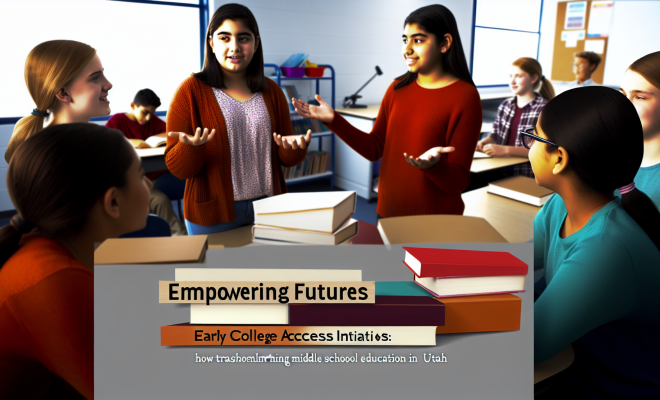
In the landscape of educational reform, one of the most critical periods for intervention is middle school. Research has consistently shown that the aspirations and academic trajectories of students are often set during these formative years. Recognizing this vital window of opportunity, a dedicated professor from Utah State University (USU) is spearheading an innovative initiative aimed at empowering over 6,000 under-resourced middle school students across Utah to pursue higher education and realize their career aspirations.
The Vision: Bridging Opportunity Gaps
At the heart of this initiative lies a profound understanding of the barriers that many disadvantaged youth face in accessing higher education. The professor, whose name is synonymous with educational advocacy, believes that the journey toward college readiness does not begin in high school; rather, it starts much earlier. By intervening in middle school, the program seeks to create a solid foundation that can help bridge the opportunity gaps experienced by low-income and underrepresented students.
Early College Access: A Game Changer
The initiative is built on the principle that students should begin exploring college and career options as early as possible. This approach not only demystifies the path to higher education but also cultivates a mindset of aspiration among young learners. By incorporating college access programming into the regular curriculum, the professor and his team aim to inspire students to dream big and consider their future possibilities.
Program Structure: Comprehensive Support
The program operates through a multifaceted framework that includes academic support, mentorship, and exposure to various career pathways. Key components of the initiative include:
- Workshops and Seminars: Regular workshops are conducted to inform students about the college admission process, financial aid opportunities, and various career options. These sessions are designed to be interactive, allowing students to ask questions and engage with professionals in various fields.
- Mentorship Opportunities: Each student is paired with a mentor who provides guidance, encouragement, and resources. Mentors often include college students and professionals who can share their experiences and insights.
- Field Trips: Students are given the opportunity to visit local colleges and universities. These trips are crucial for providing students with firsthand experiences of campus life and the educational environment.
- Academic Support: The program emphasizes the importance of academic achievement as a prerequisite for college success. Tutoring and homework assistance are available to help students bolster their academic skills.
- Goal Setting: Students are encouraged to set personal and academic goals. This practice fosters responsibility and gives them a sense of ownership over their educational journey.
A Focus on Dream Jobs
One of the most innovative aspects of the initiative is its emphasis on connecting students with their “dream jobs.” By introducing students to various career paths and professionals in those fields, the program helps students envision their futures beyond high school. This approach not only motivates students to perform academically but also instills a sense of purpose and direction.
The Impact: A Community-wide Effort
The initiative is not just a university-led program; it is a community-wide effort that involves collaboration with local schools, businesses, and organizations. By working together, stakeholders can pool resources and expertise to ensure the program’s success. The professor emphasizes that the initiative’s impact extends beyond the students directly involved; it also has the potential to uplift entire communities by breaking the cycle of poverty and disenfranchisement.
Measuring Success: Metrics and Outcomes
As the program continues to grow, the team is committed to measuring its success through various metrics. The following indicators are crucial for assessing the initiative’s effectiveness:
- College Enrollment Rates: Tracking the percentage of students enrolled in college after high school graduation is a key metric of success.
- Academic Performance: Monitoring students’ grades and test scores will provide insight into the program’s impact on academic achievement.
- Retention Rates: Assessing how many students remain engaged in the program over time will help identify areas for improvement and ensure sustainability.
- Student Feedback: Gathering qualitative data through surveys and interviews with students will provide valuable insights into their experiences and the program’s effectiveness.
Challenges and Solutions
While the initiative has garnered significant support and enthusiasm, it is not without its challenges. The professor acknowledges that addressing the needs of under-resourced students requires ongoing commitment and creativity. Some of the challenges faced include:
- Funding: Securing adequate funding is often a hurdle for educational programs. The team actively seeks grants and community partnerships to support their efforts.
- Engagement: Maintaining student engagement, especially during challenging periods, can be difficult. The program employs varied strategies to keep students motivated, such as incorporating technology and interactive learning.
- Resource Accessibility: Ensuring that all students have access to the resources they need, including technology and educational materials, remains a priority. Collaborations with local businesses can help bridge these gaps.
Looking Ahead: The Future of College Access Initiatives
The vision for the future is ambitious yet achievable. As the program expands its reach, there is hope that similar initiatives can be replicated in other states and communities. The professor envisions a world where every student, regardless of their socioeconomic background, has the opportunity to pursue higher education and achieve their career goals.
Conclusion: A Call to Action
The initiative at Utah State University exemplifies the transformative power of education when it is rooted in equity and access. By starting early, the program not only prepares students for college but also empowers them to envision a brighter future. As communities, educators, and policymakers come together to support these efforts, the dream of higher education can become a reality for thousands of under-resourced students across Utah and beyond.