AI Data Center Boom Faces Community Pushback
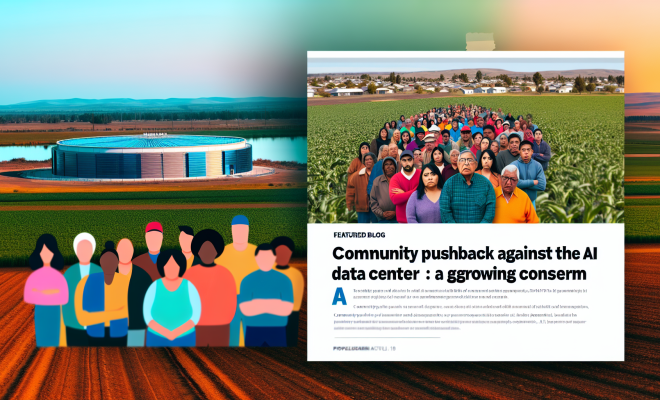
The rapid evolution of artificial intelligence (AI) has ushered in a new era of technological advancement, with companies racing to build over 4,000 AI data centers across the United States. These facilities are critical for powering AI initiatives and supporting the burgeoning demand for data processing. However, this nationwide boom has sparked significant resistance from local communities, which are raising alarm bells over the potential environmental and economic impacts of these massive infrastructures.
The AI Data Center Surge
As the appetite for AI-driven applications grows, tech giants are investing heavily in data centers—large facilities equipped with servers and networking equipment designed to store and process vast amounts of data. The construction of these data centers is not just a trend; it represents a foundational shift in how businesses leverage technology. With AI systems requiring immense computational power, these centers are becoming indispensable.
According to a recent report, over 4,000 such facilities are in various stages of development across the nation. This surge is fueled by the increasing integration of AI into everyday applications, from personalized recommendations to advanced analytics. However, this growth comes with a price, and communities are beginning to voice their concerns.
Environmental Concerns at the Forefront
One of the primary objections raised by community members revolves around the environmental impact of these data centers. AI data centers consume substantial amounts of energy due to their need for continuous power, resulting in elevated greenhouse gas emissions. Furthermore, these facilities require significant water resources for cooling systems, exacerbating concerns in regions already facing water scarcity.
- High Energy Consumption: Data centers are known to consume vast quantities of electricity, contributing to increased carbon footprints.
- Water Usage: Cooling systems in data centers can lead to excessive water consumption, raising alarms in areas with limited water supply.
- Local Ecosystems: The construction and operation of these centers may disrupt local wildlife and natural habitats, leading to ecological imbalance.
As reported by CBS News correspondent Robert Costa, community leaders are increasingly vocal about these issues, highlighting that local ecosystems could be irreversibly harmed by the unchecked growth of AI data centers.
The Economic Burden on Local Resources
In addition to environmental concerns, many communities are worried about the financial implications of hosting AI data centers. Local governments often face the challenge of balancing potential economic benefits against the costs associated with infrastructure improvements and increased resource demands.
While proponents argue that these data centers can generate jobs and boost local economies, opponents contend that the financial burden on public services may outweigh the benefits. For example, increased energy consumption can lead to higher utility costs for residents, while the strain on local water supplies may necessitate costly investments in infrastructure.
- Job Creation: Advocates for data centers argue they provide job opportunities, especially in tech-related fields.
- Infrastructure Costs: Local governments may need to invest in upgrades to electricity and water systems to accommodate data centers.
- Utility Rates: Increased demand for energy and water can lead to higher rates for residents, causing financial strain.
A Balancing Act: Local vs. National Interests
The tension between local communities and tech companies reflects a broader debate about the future of artificial intelligence and its place in society. As AI continues to evolve, the challenge lies in balancing technological advancement with the needs and concerns of the communities affected.
While the growth of AI data centers promises to usher in new innovations and capabilities, it is essential for companies to engage with local stakeholders to address their concerns proactively. This dialogue can help mitigate resistance and foster partnerships that benefit both sides.
Looking Ahead: The Future of AI Data Centers
The ongoing debate surrounding AI data centers represents a critical juncture in the development of technology. As more facilities emerge, the need for responsible growth cannot be overstated. Companies must prioritize sustainable practices that minimize environmental impacts and consider the economic implications for local communities.
Ultimately, the future of AI will not solely depend on the technology itself but also on the collaboration between tech companies and the communities they aim to serve. By addressing the concerns of local residents and ensuring sustainable practices, the tech industry can pave the way for a future where AI thrives in harmony with the environment and local economies.