Bexar County Sheriff’s Office Adopts AI for Real-Time Translation
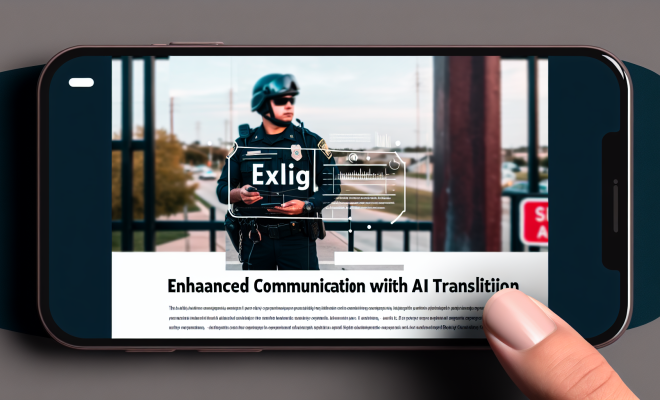
In an era where technology continually reshapes how we communicate, the Bexar County Sheriff’s Office (BCSO) is taking a significant step towards bridging language barriers in law enforcement. Sheriff Javier Salazar recently announced the integration of an AI-powered translation feature into the Axon body-worn cameras used by deputies. This innovative tool, known as the Translate Assistant, aims to facilitate real-time communication between law enforcement officers and non-English speakers, ultimately enhancing the quality of interactions during critical encounters.
Understanding the AI Translation Feature
The Translate Assistant is a groundbreaking addition to the BCSO’s body-worn camera technology. It is designed to auto-detect and translate over 60 languages in real-time, which is a substantial leap forward in ensuring effective communication in a diverse community. The process is straightforward: when deputies encounter a language barrier, they can simply press a button on their body camera, speak into it, and receive instant audible translations of their words.
How It Works
The AI-driven feature utilizes advanced language processing algorithms to convert spoken words into the desired language almost instantaneously. For instance, if a deputy speaks in English, the system can rapidly translate that speech into Spanish, Vietnamese, or any of the other supported languages. This immediate translation capability is crucial in situations where time is of the essence, such as during emergencies or investigative encounters.
Training for Deputies
To ensure effective utilization of this new technology, all BCSO deputies will undergo specialized training. The training program is designed to familiarize officers with the Translate Assistant’s functionalities, helping them understand how to effectively deploy the technology in the field. This initiative reflects the BCSO’s commitment to improving officer interactions with community members, particularly those who may not be proficient in English.
Benefits of AI in Law Enforcement
The integration of AI translation technology in law enforcement offers numerous benefits:
- Enhanced Communication: By breaking down language barriers, deputies can communicate more effectively with individuals who speak different languages, fostering trust and understanding.
- Improved Safety: Clear communication can lead to faster resolutions during tense situations, potentially reducing the likelihood of misunderstandings that could escalate into dangerous encounters.
- Better Community Relations: The ability to converse in multiple languages demonstrates the BCSO’s commitment to inclusivity, which can strengthen community ties and encourage cooperation with law enforcement.
- Increased Efficiency: Officers can quickly obtain crucial information from non-English speakers, allowing for more effective policing and crime prevention.
Community Reactions and Expectations
The announcement of the AI language translation feature has generated positive reactions from various community leaders and residents. Many express hope that this technology will lead to better interactions between deputies and members of the community, particularly those from immigrant backgrounds. Community advocates emphasize the need for law enforcement to be accessible to everyone, regardless of language proficiency.
Potential Challenges
While the implementation of AI translation technology presents numerous advantages, there are also challenges that the BCSO may need to address:
- Accuracy of Translations: Ensuring that translations are accurate and contextually appropriate is vital, especially in sensitive situations. Misinterpretations could lead to serious consequences.
- Training Effectiveness: The success of the program will largely depend on how well deputies are trained to use the technology, including understanding its limitations.
- Community Trust: Building trust with non-English speaking communities may require ongoing efforts beyond just technological solutions, including outreach and engagement initiatives.
Comparative Analysis with Other Law Enforcement Agencies
The BCSO’s move to adopt AI language translation is part of a broader trend among law enforcement agencies across the United States. Many police departments are exploring innovative technologies to enhance their operations and community engagement. For instance, the Los Angeles Police Department has experimented with similar translation tools, aiming to improve communication in a city with a diverse population.
Lessons Learned from Other Agencies
As the BCSO embarks on this new initiative, there are valuable lessons to be learned from other agencies:
- Community Involvement: Engaging community members in the development and implementation phases can foster acceptance and trust.
- Feedback Mechanisms: Establishing channels for community feedback on the use of translation tools can help law enforcement agencies make necessary adjustments and improve service delivery.
- Continuous Learning: Technology is ever-evolving, and law enforcement agencies must stay updated on advancements to maximize the effectiveness of tools like the Translate Assistant.
Looking Ahead: The Future of AI in Law Enforcement
The integration of AI technologies in law enforcement is still in its infancy, but the potential is vast. As the BCSO implements the Translate Assistant, it stands to pave the way for further advancements in AI applications within policing. Future possibilities may include:
- Expanded Language Support: As AI technology advances, the capacity to support additional languages and dialects can further enhance communication efforts.
- Integration with Other Technologies: Combining translation tools with other AI-driven technologies, such as facial recognition or predictive policing systems, could lead to more comprehensive law enforcement strategies.
- Data-Driven Policing: Utilizing data analytics in conjunction with AI translation can help law enforcement agencies understand crime patterns within diverse communities more effectively.
Conclusion
The Bexar County Sheriff’s Office’s decision to implement AI-powered translation technology marks a significant advancement in the pursuit of effective communication in law enforcement. By equipping deputies with the ability to communicate with non-English speakers in real-time, the BCSO not only enhances public safety but also takes a crucial step towards fostering trust and cooperation within the community. As the program unfolds, it will be essential to monitor its impact, address challenges, and continuously adapt to ensure that it serves the needs of all community members effectively.