9 Effective Ways to Support Dyslexic Students in Classrooms
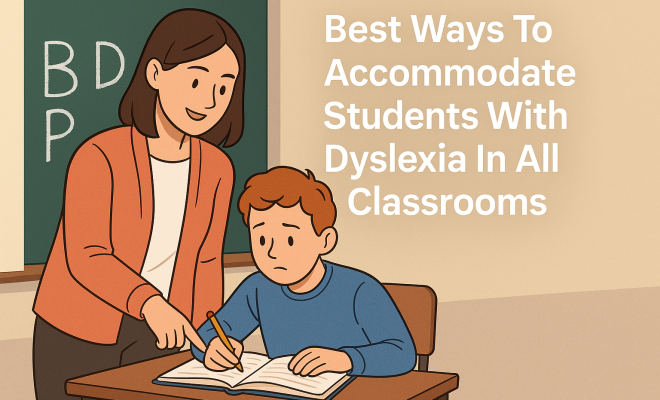
“`html
Dyslexia affects a significant number of students, with estimates suggesting that it impacts around 5-10% of the population. This learning difference can create unique challenges in traditional classroom settings, but with the right strategies, educators can create a more inclusive environment for all learners. Here, we explore nine effective ways to accommodate students with dyslexia, ensuring they have the support they need to succeed.
1. Understanding Dyslexia
Before implementing strategies, it’s crucial to understand what dyslexia is. Dyslexia is a neurological condition that primarily affects reading and language processing. Students with dyslexia often struggle with phonemic awareness, decoding, and word recognition. This learning difference can lead to frustration and lower self-esteem if not properly addressed. By educators taking the time to understand dyslexia, they can better empathize with their students’ challenges and tailor their teaching methods accordingly.
One important aspect of accommodating students with dyslexia is recognizing that each individual may experience dyslexia differently. Some might struggle primarily with reading fluency, while others may have significant difficulties with spelling or writing. Educators should be open to learning about the specific needs of each student.
2. Implementing Multi-Sensory Teaching Techniques
Multi-sensory learning is an approach that engages more than one sense at a time, which can be incredibly beneficial for students with dyslexia. Techniques that incorporate visual, auditory, and kinesthetic elements can help reinforce learning. For instance, using colored overlays or textured letters while teaching phonics can make the learning process more engaging and effective.
Teachers can also utilize technology to enhance multi-sensory learning. Tools like interactive whiteboards, audio books, and educational apps that promote hands-on learning can create a richer educational experience. This approach not only aids retention but also engages students in a way that traditional teaching methods may not.
3. Providing Written and Verbal Instructions
Many students with dyslexia may struggle with processing verbal instructions alone. To accommodate these students, it’s beneficial to provide both written and verbal directions. This dual approach allows them to refer back to the written instructions as needed, reducing anxiety and clarifying tasks.
In practice, this could mean providing handouts outlining the day’s lessons, assignments, or expectations. Additionally, using clear and concise language can help minimize confusion. Teachers can also encourage students to take notes during verbal instructions to reinforce understanding and retention.
4. Flexible Assessment Methods
Standardized tests may not accurately reflect the knowledge and skills of students with dyslexia. Therefore, offering flexible assessment methods is crucial. This can include alternative formats like oral presentations, projects, or portfolios that allow students to demonstrate their understanding in varied ways.
Furthermore, providing extended time for tests can alleviate pressure and allow students to perform to the best of their abilities. Educators should work with students to determine which assessment formats work best for them and consider incorporating self-assessment opportunities, which can empower students and promote self-awareness.
5. Creating a Supportive Classroom Environment
A supportive classroom environment can significantly impact the success of students with dyslexia. Building a culture of acceptance and understanding among peers can help minimize stigma associated with learning differences. Teachers can initiate discussions about dyslexia, highlighting that many successful individuals have overcome similar challenges. We covered evidence-based strategies in more detail.
In addition, establishing routines can provide students with a sense of stability and predictability. This can help reduce anxiety, allowing students to focus on learning rather than worrying about the unknown. Incorporating group activities can also foster a supportive community where students feel safe to express their struggles and share strategies. (See: What is dyslexia?.)
6. Utilizing Technology and Resources
Technology can be a game-changer when it comes to accommodating students with dyslexia. There are numerous tools available that can help support reading, writing, and organizational skills. For instance, text-to-speech software can assist students in accessing written material, while speech-to-text applications can help with writing tasks.
Additionally, there are several organizational apps designed to help students manage their time and assignments more effectively. Educators should familiarize themselves with these resources and integrate them into their teaching practices to provide the greatest benefit to their students.
7. Professional Development for Educators
To adequately support students with dyslexia, educators must engage in ongoing professional development. This can include training workshops, conferences, and online courses focused on dyslexia and effective teaching strategies. Being informed about the latest research and techniques can empower teachers to meet the needs of their students better.
Collaboration among educators can also be beneficial. Regular meetings to discuss challenges and share solutions can foster an environment of continuous learning. Schools may consider forming support groups or partnerships with organizations specializing in dyslexia to enhance their resources and knowledge base.
8. Individual Education Plans (IEPs) and 504 Plans
For students with dyslexia, having an Individual Education Plan (IEP) or a 504 Plan can provide essential accommodations tailored to their needs. These plans can outline specific strategies, resources, and modifications that will support the student’s learning journey.
It’s essential for teachers to work closely with special education professionals to develop and implement effective IEPs. Regularly reviewing and updating these plans ensures that they remain relevant and effective as students progress. Involving parents in this process can also enhance the support network for students. (key insights for teachers)
9. Encouraging Self-Advocacy Skills
Teaching students with dyslexia to advocate for themselves is a critical step in their educational journey. This involves helping them understand their learning difference and equipping them with strategies to communicate their needs effectively. Encouraging self-advocacy can boost their confidence and independence.
Educators can foster these skills by providing opportunities for students to express their preferences in their learning processes. Whether it’s choosing a project topic or deciding the type of assessment they prefer, giving students a voice can help them feel more in control of their education.
10. Engaging Families in the Learning Process
Families play an essential role in the education of students with dyslexia. Engaging parents and caregivers by providing them with resources and information about dyslexia can create a supportive home environment that complements school efforts. Schools can offer workshops or informational sessions to help families understand how to assist their children effectively.
Encouraging regular communication between teachers and families can also help monitor progress and address any concerns that arise. By working together, educators and families can create a cohesive support system that enhances the student’s learning experience.
11. Fostering a Growth Mindset
Encouraging a growth mindset in students with dyslexia is vital. This mindset emphasizes the belief that abilities and intelligence can be developed over time with effort and perseverance. Educators can model this mindset by celebrating small victories and progress, rather than just focusing on grades or performance metrics.
When students understand that challenges are a natural part of learning, they may feel more motivated to tackle difficult tasks. Integrating discussions about growth mindset into the curriculum can empower students to embrace their learning journeys, despite the obstacles they may face.
12. Using Visual Aids and Graphic Organizers
Visual aids can be a powerful tool for students with dyslexia. Tools such as charts, diagrams, and graphic organizers can help clarify complex information and provide students with a visual representation of the material being taught. This approach can enhance understanding and retention, making it easier for students to process information. (See: Dyslexia information from CDC.)
For example, in writing assignments, using graphic organizers can help students organize their thoughts before getting started. This can be a significant help in breaking down the writing process into manageable parts, ensuring that students can communicate their ideas effectively. essential dyslexia facts offers useful background here.
13. Peer Tutoring and Mentorship Programs
Implementing peer tutoring or mentorship programs in schools can be advantageous for students with dyslexia. Pairing them with peers who are more confident in their reading and writing skills can help foster collaboration and support. This not only aids the student with dyslexia but can also enhance the tutor’s understanding and empathy towards learning differences.
Such relationships can provide a safe space for students to ask questions and seek help without the fear of judgment. Establishing a supportive network among peers contributes to a positive school environment where all students feel valued and empowered.
14. Leveraging Community Resources
Many communities offer resources specifically for individuals with dyslexia. Schools should work to connect students and families with local support groups, tutoring services, and educational workshops. These resources can provide additional help outside of the classroom, allowing students to develop their skills in a supportive environment.
Involving local dyslexia advocacy organizations can also provide schools with valuable contacts, informational materials, and potential guest speakers who can share insights and strategies with students and educators alike.
15. Frequently Asked Questions (FAQs)
What are the signs of dyslexia in students?
Common signs of dyslexia can include difficulty reading, issues with spelling, challenges with understanding written instructions, and trouble organizing thoughts in writing. Students might also experience difficulty with phonological awareness, such as rhyming or identifying sounds in words.
How can I support a child with dyslexia at home?
Supporting a child with dyslexia at home can include creating a quiet, distraction-free space for homework, encouraging reading aloud, and utilizing multi-sensory techniques. Providing tools like audiobooks or engaging in fun literacy games can also make learning enjoyable.
Are there specific teaching methods that work best for students with dyslexia?
Yes, structured literacy programs that emphasize phonics, phonemic awareness, and vocabulary are often effective for students with dyslexia. Programs such as Orton-Gillingham or Wilson Reading System are designed with these learners in mind and have proven successful in many cases.
Can students with dyslexia go to college?
Absolutely! Many students with dyslexia successfully attend and thrive in college. With appropriate accommodations and support, they can navigate college-level coursework and achieve their academic goals.
Is dyslexia something that can be outgrown?
Dyslexia is a lifelong condition; however, with effective intervention and support, individuals can learn to manage their symptoms effectively and achieve their academic and personal objectives. Skills can improve over time, allowing students to become more proficient readers and writers.
16. Additional Resources for Teachers and Families
In addition to classroom strategies, various external resources can support teachers and families alike. Organizations such as the International Dyslexia Association (IDA) and the Learning Disabilities Association of America (LDA) provide a treasure trove of resources, including research articles, webinars, and workshops tailored toward understanding and supporting students with dyslexia. (See: Dyslexia fact sheet by WHO.)
Many districts also offer professional development opportunities focused specifically on dyslexia. These can provide educators with current best practices, as well as access to new tools and technologies that can assist in accommodating students in their classrooms. Workshops led by specialists can equip teachers with hands-on strategies that they can employ immediately.
17. Statistics on Dyslexia
Understanding the prevalence of dyslexia can help highlight the importance of accommodations. Studies indicate that dyslexia affects approximately 5-10% of the population, but some estimates suggest that it could be as high as 17% when including those who may not have been formally diagnosed. Furthermore, research shows that only 2-8% of students with dyslexia receive specialized services, which emphasizes the need for teachers to be equipped with the skills to support these learners.
Statistics also reveal that children with dyslexia are at a significantly higher risk of experiencing academic failure, emotional distress, and low self-esteem compared to their peers. For instance, a study published in the journal “Dyslexia” reported that students with dyslexia are twice as likely to drop out of high school as their non-dyslexic peers. This highlights the critical need for effective accommodations and support within educational settings. Related reading: inclusive education strategies.
18. Expert Perspectives on Accommodating Students with Dyslexia
Education experts and psychologists emphasize the importance of early intervention and the role of multi-sensory approaches in teaching students with dyslexia. Dr. Sally Shaywitz, a leading researcher in dyslexia, states that early identification and intervention are key to helping children overcome reading difficulties. “The sooner we can identify a child at risk for reading failure and provide them with evidence-based interventions, the better their outcomes will be,” she notes.
Furthermore, Dr. Shaywitz advocates for the use of technology, stating that “tools such as audiobooks and text-to-speech software can level the playing field and help students with dyslexia access the curriculum more effectively.” By integrating these technological tools into the classroom, educators can create a more inclusive environment that fosters learning and success for all students.
19. Best Practices for Working with Parents
Building a collaborative relationship with parents is crucial for supporting students with dyslexia. Educators can hold regular meetings to discuss the child’s progress and share strategies for reinforcement at home. It’s essential to approach conversations with empathy and understanding, recognizing the challenges that both students and families face.
Offering resources such as reading lists, websites, and local community services can empower parents to take an active role in their child’s education. Schools may also consider creating support groups for parents, where they can connect with others facing similar challenges. This sense of community can provide parents with the encouragement and information they need to support their child effectively.
In summary, accommodating students with dyslexia requires a multifaceted approach that encompasses understanding, support, and the right tools. By implementing these strategies and advocating for educational reforms that recognize the needs of students with dyslexia, we can create an inclusive and effective learning environment, allowing all students to thrive.
“`
Trending Now
Frequently Asked Questions
What are the best teaching strategies for students with dyslexia?
Effective teaching strategies for students with dyslexia include implementing multi-sensory teaching techniques, using visual aids, and providing individualized support. Engaging multiple senses helps reinforce learning and can make challenging concepts more accessible.
How can teachers support students with dyslexia in the classroom?
Teachers can support students with dyslexia by understanding the condition, employing multi-sensory learning techniques, and adapting their teaching methods to meet individual needs. Creating an inclusive environment fosters confidence and helps students succeed.
What is dyslexia and how does it affect learning?
Dyslexia is a neurological condition that affects reading and language processing. It can lead to challenges in phonemic awareness, decoding, and word recognition, often resulting in frustration and lower self-esteem among affected students.
What tools can help students with dyslexia learn better?
Tools that can assist students with dyslexia include interactive whiteboards, audiobooks, and educational apps that promote hands-on learning. These resources enhance multi-sensory learning and make lessons more engaging.
Why is understanding dyslexia important for educators?
Understanding dyslexia is crucial for educators as it allows them to empathize with their students' challenges and tailor their teaching methods effectively. This knowledge helps create a supportive and inclusive classroom environment.
Have you experienced this yourself? We'd love to hear your story in the comments.