Best Classroom Posters (Alphabet, Numbers & More)
“`html
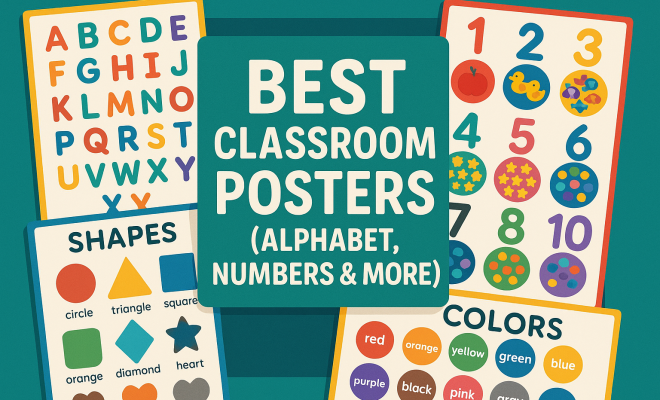
Classroom posters serve as a vibrant and engaging way to enhance the learning environment in educational settings. From alphabet charts to motivational quotes, these visual aids are an essential part of any classroom, making complex concepts more accessible and stimulating students’ curiosity. Let’s explore the top nine types of classroom posters that can significantly boost learning and engagement.
1. Alphabet Posters:
Alphabet posters are fundamental tools for early childhood education. Typically featuring colorful illustrations alongside each letter, these posters help young learners associate letters with words and images. For instance, an alphabet poster may depict an ‘A’ next to an apple, reinforcing phonetic sounds and vocabulary. Nurture Budding Wings article offers useful background here.
Beyond basic recognition, alphabet posters can also support various teaching methods. For example, incorporating multi-sensory learning strategies, such as tactile activities where children can trace letters, can enhance retention. In addition, using posters that display both uppercase and lowercase letters fosters a more comprehensive understanding of letter forms.
Research shows that visual aids, like alphabet posters, can significantly boost early literacy skills. A study from the National Early Literacy Panel found that children exposed to alphabet knowledge at a young age are more likely to develop stronger reading skills later. Therefore, using these posters effectively can lay a solid foundation for a child’s educational journey.
2. Number Posters:
Just like alphabet posters, number posters are crucial for introducing mathematical concepts to students. These posters can display numbers in various formats, such as numeral representations, word forms, and visual depictions (like groups of objects). This multi-faceted approach lays a foundational understanding of counting, addition, subtraction, and other elementary math skills.
Additionally, number posters can include engaging graphics, such as number lines or charts showing patterns, which can capture children’s attention. For teachers, leveraging these posters in conjunction with interactive games or classroom activities can reinforce learning objectives and make math enjoyable.
Statistics show that students who engage with visual representations of numbers develop a deeper understanding of mathematical concepts. A study conducted by the Educational Testing Service revealed that students who utilized visual aids scored significantly higher in math assessments than those who relied solely on traditional teaching methods. This highlights the importance of incorporating number posters into the curriculum.
3. Motivational Posters:
Motivational posters can breathe life into any classroom atmosphere. Phrases like “Believe in Yourself” or “Mistakes Are Proof That You’re Trying” serve as daily reminders for students to stay resilient and focused. By displaying these posters prominently, educators can create an uplifting environment that encourages personal growth and a positive mindset.
Research shows that a supportive learning environment significantly impacts student performance and emotional well-being. Integrating motivational posters into classroom decor not only enhances mood but can also foster a sense of community among students as they share and discuss their interpretations of these empowering messages.
Moreover, motivational posters can be tailored to specific themes or topics being studied. For instance, while learning about historical figures, teachers can display quotes from those individuals to inspire students and connect the dots between past and present. This personalized approach can make students feel more invested in their learning journey.
4. Science Posters:
Science posters cover a broad range of topics, from the solar system to the human body. These visual aids can provide students with critical information while sparking their curiosity. For instance, a solar system poster can illustrate the planets’ size, distance from the sun, and unique characteristics, making complex astronomical concepts more digestible.
Furthermore, science posters can serve as excellent discussion starters in the classroom. Teachers can use them to frame lessons or initiate group projects, encouraging students to delve deeper into scientific phenomena. Having such visuals readily available also allows students to engage with the material outside traditional textbook learning. (See: National Institute of Child Health and Human Development.)
Incorporating science posters can also enhance STEM education, which has become increasingly vital in modern curricula. By showcasing different scientific principles visually, educators can inspire students to explore careers in science, technology, engineering, and mathematics. For example, a poster illustrating the engineering design process can prompt students to engage in hands-on projects that apply these concepts in real-life situations. There’s a fuller look at Emergent literacy skills overview.
5. Historical Posters:
Historical posters play a vital role in social studies education. From timelines that highlight significant events to portraits of influential figures, these posters can help students understand the context of history and its impact on the present. For instance, a timeline displaying major events of the Civil Rights Movement can provide clarity on the progression of social justice in the U.S.
Incorporating historical posters into lessons can also aid in developing critical thinking skills. Educators can encourage students to analyze the content critically, linking past events to current issues. This approach not only fosters deeper learning but also promotes civic engagement and awareness.
Statistics show that visual context aids retention. A report from the National Council for the Social Studies indicates that students who learn with visual aids are more likely to remember historical facts and concepts. By using historical posters, teachers can provide a visual narrative that enriches students’ understanding and appreciation of history.
6. Grammar and Writing Posters:
For language arts, grammar and writing posters are indispensable. These posters often outline the rules of grammar, punctuation, and sentence structure in clear, accessible language. Examples might include subject-verb agreement charts or lists of commonly confused words, such as “their,” “there,” and “they’re.”
By displaying these grammar rules prominently, teachers can create a language-rich environment where students are continually reminded of writing conventions. Pairing these visuals with writing assignments also enhances students’ practical application of grammar, thereby improving their writing skills over time.
Additionally, research indicates that students who are frequently exposed to grammar visuals perform better in writing assessments. A study by the Journal of Educational Psychology found that students who practiced grammar concepts using visual aids scored 20% higher than those who did not. This emphasizes the effectiveness of grammar and writing posters in developing strong writing competencies.
7. Mindfulness and Emotional Regulation Posters:
In an increasingly complex world, teaching students about mindfulness and emotional regulation is more critical than ever. Posters that illustrate breathing techniques, meditation practices, or the importance of social-emotional learning can help foster a climate of mental well-being in the classroom. For example, a poster that showcases different breathing exercises can serve as a tool for students to use during stressful moments.
Such resources empower students to take control of their emotions and develop coping strategies. By integrating mindfulness posters into the classroom, educators can promote an environment that prioritizes mental health, resilience, and emotional intelligence.
Furthermore, research from the American Psychological Association shows that classrooms that incorporate mindfulness practices see a significant decrease in behavioral issues and an increase in academic performance. This makes mindfulness posters not just beneficial, but essential for creating a holistic learning environment.
8. Classroom Rules and Expectations Posters:
Effective classroom management is integral to a successful learning experience. Classroom rules and expectations posters are tools for setting clear guidelines for behavior and academic integrity. By displaying rules such as “Respect Each Other” or “Keep Your Hands to Yourself,” teachers provide students with a visual reference of expected behavior.
In addition to outlining rules, these posters can serve as a conversation starter about classroom dynamics. Teachers can engage students in discussions about the importance of each rule, fostering a sense of ownership and accountability within the classroom community. Furthermore, involving students in creating the rules can enhance their commitment to upholding them.
Studies show that classrooms with clearly defined rules and expectations lead to improved student behavior. According to a study published in the Journal of Educational Psychology, classrooms with visible rules see a 30% decline in disciplinary incidents. This illustrates the importance of having classroom rules and expectations posters prominently displayed. (See: CDC on health and academics.) Related reading: Hillary Clinton's education proposal.
9. Interactive Learning Posters:
Interactive learning posters take classroom engagement to the next level. These posters might include QR codes that link to educational videos, games, or quizzes related to the poster’s topic. For example, an interactive math poster could direct students to online activities that reinforce the concepts displayed.
By incorporating technology into classroom posters, educators cater to diverse learning styles and make lessons more dynamic. This approach not only promotes active learning but also prepares students for a tech-driven world, enhancing their digital literacy skills.
Interactive posters can also foster collaboration among students. When teachers use QR codes or links to group activities, students can work together to solve problems or explore topics more deeply. This collaborative learning experience can lead to improved communication skills and teamwork, essential qualities for success in the 21st century.
10. Seasonal and Thematic Posters:
Seasonal and thematic posters can refresh a classroom, aligning with holidays, seasons, or specific units of study. By rotating posters throughout the year, teachers can keep content relevant and engaging. These posters can include visuals related to holidays like Thanksgiving, Earth Day, or even back-to-school themes, creating a dynamic learning environment.
Using seasonal posters can also provide cultural education. For example, during Black History Month, teachers can showcase posters of influential African American figures, allowing students to learn about their contributions in a visually engaging format. This approach can spark meaningful conversations and enhance cultural awareness among students.
11. Creating Custom Classroom Posters:
While ready-made posters are widely available, creating custom classroom posters can personalize the learning experience. Teachers can involve students in the design process, allowing them to express their creativity and ownership of the classroom environment. Custom posters can include class achievements, project highlights, or even student artwork.
Content can range from important reminders to class goals, and having students contribute to this process enhances their connection to the material. Additionally, using tools like Canva or Adobe Spark can make the design process accessible and fun for both teachers and students.
12. Frequently Asked Questions (FAQs) about Classroom Posters:
Q: How do classroom posters enhance learning?
A: Classroom posters serve as valuable visual aids that help reinforce concepts, provide reminders, and stimulate discussions among students. They can enhance engagement and retention by presenting information in a visually appealing and accessible way.
Q: Where should I place classroom posters for maximum impact?
A: Strategic placement is key! Place posters at eye level where students can easily see them. Consider locations such as near the whiteboard, above student desks, or in high-traffic areas to catch attention during lessons and activities.
Q: Can I create my own classroom posters, and how?
A: Absolutely! You can create custom posters using various online design tools like Canva or even by hand. Involving students in the process can make it more interactive and meaningful. Use bright colors, clear fonts, and relevant images to enhance visual appeal.
Q: How often should I update classroom posters?
A: It’s a good idea to update your classroom posters periodically, especially with the changing seasons, themes, or units of study. Keeping content fresh ensures that students remain engaged and can learn new material effectively.
Q: What materials are best for making durable posters?
A: Consider using sturdy materials like poster board, laminated paper, or foam boards for durability. If using digital designs, printing on high-quality paper can also extend the lifespan of your posters.
13. The Impact of Classroom Posters on Different Learning Styles:
Not all students learn the same way; therefore, it’s essential to consider various learning styles when integrating classroom posters. Visual learners, for instance, benefit significantly from posters that present information through images, charts, and infographics. They can quickly grasp concepts by associating visual elements with the content.
On the other hand, auditory learners may benefit from posters that incorporate sound elements, such as QR codes leading to audio clips or songs related to the subject. Kinesthetic learners, who thrive on hands-on activities, can be engaged through interactive posters that require movement or participation, such as fill-in-the-blank or puzzle elements. By understanding and catering to diverse learning preferences, teachers can create a more inclusive educational environment.
14. How to Effectively Use Classroom Posters in Daily Lessons:
Using classroom posters effectively requires planning and intentionality. Start by outlining the main objectives for each lesson and choose posters that align with those goals. For example, if you’re teaching a lesson on ecosystems, have a science poster showcasing different habitats readily visible. Use it as a reference point during discussions and encourage students to refer back to it when completing related activities.
Additionally, consider integrating posters into assessments and group projects. For instance, students could create their own posters based on research they conduct, reinforcing their learning while also allowing them to express creativity. This approach not only deepens understanding but also builds presentation skills and confidence when sharing with peers.
15. Future Trends in Classroom Posters:
As technology advances, the future of classroom posters is likely to evolve as well. We may see a rise in augmented reality (AR) posters that allow students to interact with content in 3D. Imagine a science poster where students can scan with their devices to see a planet rotation simulation or a historical scene brought to life through AR technology. Such innovations can make learning even more engaging and immersive, offering students a chance to explore and understand complex concepts in a hands-on manner.
Moreover, sustainability is becoming a critical concern in education. The future may also see an increase in eco-friendly materials and digital posters designed to reduce paper waste. Schools could implement digital screens that rotate content and provide more dynamic learning experiences, ensuring that classrooms remain vibrant and current without relying extensively on physical materials.
Classroom posters are more than mere decorations. They are vital educational tools that can significantly enhance the learning experience. By thoughtfully selecting and implementing a variety of posters, educators can create an environment that fosters engagement, creativity, and a love for learning. With the right visuals, teachers can transform their classrooms into inspiring spaces that promote growth and discovery. We covered Understanding early childhood education in more detail.
“`
Trending Now
Frequently Asked Questions
What are the benefits of using classroom posters?
Classroom posters enhance the learning environment by making complex concepts more accessible and engaging. They stimulate curiosity and can support various teaching methods, including multi-sensory learning. Visual aids like posters are proven to boost literacy and numeracy skills among students.
How do alphabet posters help in early education?
Alphabet posters are essential for early childhood education as they help children associate letters with words and images. They reinforce phonetic sounds and vocabulary, supporting literacy development and offering a comprehensive understanding of letter forms through visual learning.
What types of classroom posters are most effective?
Effective classroom posters include alphabet posters, number posters, motivational quotes, and subject-specific visuals. Each type serves to engage students and reinforce learning in different areas, from literacy and numeracy to social-emotional growth.
Are number posters useful for teaching math?
Yes, number posters are crucial for teaching math concepts. They display numbers in various formats—numerals, word forms, and visual representations—which help students understand counting, addition, and subtraction, laying a strong foundation for future math skills.
How can visual aids improve student engagement?
Visual aids like classroom posters capture students' attention and stimulate interest in learning. They provide a colorful, interactive element that can enhance memory retention and comprehension, making learning more enjoyable and effective.
What's your take on this? Share your thoughts in the comments below — we read every one.