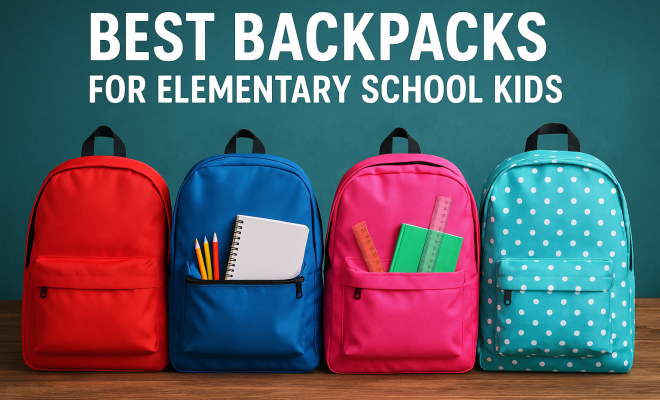
Best Backpacks for Elementary School Kids
“`html
Finding the right backpack for elementary school kids isn’t just about picking a cute design; it’s about ensuring comfort, functionality, and durability. As children head back to school, parents often face the daunting task of selecting the best backpacks for kids that will meet their needs. In this comprehensive guide, we will explore everything you need to know, including key features to consider, top recommendations, and practical tips for ensuring your child has the perfect backpack for their school year.
1. Importance of Choosing the Right Backpack
The right backpack serves multiple purposes beyond just carrying books. It needs to support a child’s posture, accommodate school supplies, and reflect their personality. A backpack that is too heavy or poorly designed can lead to a host of issues, including back pain and discomfort. Therefore, when choosing the best backpacks for kids, it’s essential to consider not only style but also ergonomics and practicality.
Additionally, backpacks are a significant part of school culture. They can be a source of pride for children, representing their interests and individuality. This emotional connection to their backpack can enhance their school experience, making it even more critical to choose wisely.
2. Key Features to Look for in a Backpack
When shopping for the best backpacks for kids, several essential features should guide your decision:
- Size and Capacity: The backpack should be appropriate for the child’s age and height. A too-large backpack can cause strain, whereas a too-small one may not hold all necessary items.
- Weight: A lightweight backpack is crucial since kids often carry heavy loads. Look for materials that are durable yet light.
- Padded Straps: Comfort is key, so well-padded, adjustable straps can help prevent shoulder pain.
- Multiple Compartments: Organizational features like multiple compartments help kids keep their supplies sorted, which can lead to less time spent searching for items.
- Durability: Quality materials ensure that the backpack can withstand daily wear and tear, including spills and rough handling.
These factors contribute to choosing a backpack that not only meets daily school needs but also promotes good health and organization.
3. Top Picks for the Best Backpacks for Kids
Now that we’ve covered essential features, let’s look at some of the best backpacks for kids available today:
1. The North Face Youth Recon
This tried-and-true backpack is perfect for elementary school kids. With a volume of 22 liters, it provides ample space for books and supplies. The North Face Youth Recon features a padded back panel and shoulder straps, ensuring comfort even when fully loaded. Its durable construction can withstand rough handling, making it a favorite among parents and kids alike.
2. JanSport SuperBreak
JanSport is synonymous with school backpacks, and the SuperBreak is no exception. This lightweight option is perfect for younger students. It boasts a single large compartment and a front pocket for organization. The variety of fun colors and patterns allows kids to express their style while maintaining practicality.
3. Osprey Jet 12
Designed specifically for kids, the Osprey Jet 12 is a smaller backpack that doesn’t compromise on features. It includes a hydration reservoir sleeve, making it an excellent choice for active kids. The adjustable harness ensures a snug fit, which is essential for comfort and support.
4. Herschel Little America Backpack
Combining style with function, the Herschel Little America Backpack features a classic mountaineering style. The drawstring closure and magnetic strap offer both security and easy access. Its padded laptop sleeve is perfect for kids who might have digital assignments.
5. L.L. Bean Adventurer Backpack
This rugged backpack is built for adventure and can handle everything from school to weekend outings. With a spacious interior and multiple pockets, it’s practical for everyday use. Its water-resistant fabric and reinforced stitching ensure it lasts through all types of weather.
6. Wildkin Original Pattern Backpack
Wildkin’s backpacks are known for their fun patterns and durability. The Original Pattern Backpack is made from high-quality materials, featuring a spacious main compartment and side pockets for water bottles. Perfect for younger kids, it combines style with functionality. (See: Understanding children's BMI and health.)
7. Adidas Classic 3-Stripes Backpack
The Adidas Classic 3-Stripes Backpack is both stylish and functional. With its sporty design and ample storage, it’s perfect for kids who want to make a statement. The padded back panel and adjustable straps ensure comfort, while the durable material stands up to daily use.
8. REI Co-op Trail 25 Pack
This versatile backpack is ideal for kids who love outdoor activities. With a 25-liter capacity, it’s perfect for school supplies, and its hydration reservoir pocket makes it great for hikes. The adjustable shoulder straps and hip belt provide comfort and support.
9. Disney Kids’ Backpack
For younger kids who want to bring their favorite characters to school, Disney Kids’ Backpacks are a great choice. Available in various designs featuring beloved characters, these backpacks are made of durable materials and feature comfortable straps, ensuring that kids are both happy and comfortable.
4. Ergonomics: The Key to Comfort
When selecting the best backpacks for kids, it’s essential to prioritize ergonomics. A well-designed backpack will distribute weight evenly across the back to minimize strain. Look for padded and adjustable shoulder straps that prevent discomfort during long school days. The back panel should also be padded to provide additional support.
Another aspect of ergonomics is the fit. The backpack should rest comfortably on the lower back, avoiding any pressure on the shoulders or neck. A backpack that is too large can pull on the shoulders, causing unnecessary strain. To ensure a proper fit, have your child try the backpack while wearing it and adjust the straps accordingly.
5. Material Considerations for Durability
Diving deeper into material choices, you’ll find that some fabrics are better suited for backpacks than others. Look for water-resistant or waterproof materials to protect against spills and rainy days. Nylon and polyester are commonly used for their durability and lightweight characteristics. Reinforced stitching also adds to longevity, especially in high-stress areas such as straps and seams.
Additionally, consider the ease of cleaning. Kids can be messy, so a backpack that can be wiped down or machine washed will be beneficial in the long run. Some brands even offer backpacks with antimicrobial fabrics that help resist odors, which is a great plus for school environments.
6. Pricing and Budget Considerations
Backpacks come in a wide price range, and it’s easy to overspend when searching for the perfect item. Generally, you can find quality backpacks for kids anywhere from $30 to $100. It’s useful to set a budget before shopping, but remember that a more expensive backpack often equates to better materials and longer-lasting durability.
Keep an eye out for sales, especially during back-to-school promotions. Investing in a high-quality backpack may save you money in the long run, as it will likely withstand the rough handling that comes with daily school life. Additionally, consider whether the backpack will be suitable for more than one school year, as a versatile design may offer greater value.
7. Personalization: Making It Unique
Kids love to express their identity, and backpacks are a canvas for that creativity. Many brands now offer customization options, such as patches, name tags, or even color choices. Personalizing a backpack can make it feel special and help kids take ownership of their belongings.
Some parents opt for DIY personalization, adding fun stickers or embroidery to make their child’s backpack stand out. This can also help in preventing mix-ups at school, especially in larger classrooms where many kids might have similar backpacks.
8. Maintenance Tips for Longevity
Once you’ve chosen the best backpack for your child, maintaining it is key to its longevity. Here are some helpful tips:
- Regular Cleaning: Wipe down the exterior regularly and check for any dirt or stains that can be cleaned as soon as they appear.
- Check the Zippers: Ensure zippers function smoothly and aren’t sticking. A bit of zipper lubricant can help maintain functionality.
- Avoid Overloading: Teach your child to pack only what they need. Overloading a backpack can lead to wear and tear.
- Store Properly: When not in use, store the backpack in a cool, dry place to prevent mold or mildew.
By following these maintenance tips, you can help ensure that your child’s backpack remains in excellent condition throughout the school year. (See: Childhood obesity and its impact.)
9. Final Thoughts: Preparing for a Great School Year
The best backpacks for kids play a crucial role in their daily school experience, combining style, functionality, and comfort. By considering factors like ergonomics, materials, and personalization, you can ensure that your child has a backpack that meets their needs while reflecting their personality. top picks for kindergarteners offers useful background here.
As you prepare for the upcoming school year, remember that investing in a quality backpack is investing in your child’s comfort and organization. With the right choice, not only will your child be well-equipped for school, but they’ll also carry a piece of their identity with them every day.
10. Trends in Backpacks for Kids
As we progress through the school years, backpack styles and functionalities have evolved significantly. Today, parents can find backpacks that not only serve practical purposes but also engage children in ways that enhance their overall school experience.
One notable trend is the rise of backpacks with built-in technology. Some models now feature charging ports for devices, allowing kids to stay connected throughout their school day. This can be particularly useful for older elementary students, who may have tablets or other devices needed for classwork.
Another trend is eco-friendly backpacks made from recycled materials. More brands are recognizing the importance of sustainability and are offering backpacks that appeal to environmentally conscious parents. Choosing eco-friendly options helps instill values of conservation and responsibility in children, making them more aware of their impact on the planet.
Fashion-forward designs are also gaining popularity, with backpacks reflecting current trends in fashion and pop culture. Kids are more likely to take pride in their belongings if they match their favorite styles or themes. Some brands collaborate with well-known designers or influencers to create unique, limited-edition backpacks that cater to kids’ desire for individuality.
11. How to Determine the Right Size Backpack for Your Child
Selecting the right size backpack is critical for your child’s comfort and health. There are a few guidelines to follow to help ensure you find the best fit:
- Check the Height: The backpack should ideally not exceed the height of your child’s back. For younger children, the backpack should sit comfortably in the middle of their back. Older kids may prefer larger packs, but they should still not extend too high.
- Measure Capacity Needs: Consider what your child needs to carry daily. If they have multiple books, a lunchbox, and other items, a larger capacity (20-30 liters) is often required.
- Trial and Error: Encourage your child to try on several backpacks while they’re filled with items they would typically carry. This can help gauge weight distribution and comfort.
12. Frequently Asked Questions (FAQ)
What age is appropriate for a child to start using a backpack?
Generally, children can start using a backpack as soon as they begin preschool or kindergarten. Choose a smaller, lighter backpack that fits their frame properly and can carry the essentials they need for school.
How much weight should a backpack hold?
A backpack should not exceed 10% to 15% of a child’s body weight. For example, if a child weighs 60 pounds, their backpack should ideally weigh no more than 6 to 9 pounds.
Are there specific brands known for quality backpacks for kids?
Yes, several brands are popular for their quality and durability. Brands like The North Face, JanSport, Osprey, and L.L. Bean have established themselves as top choices among both parents and children for their reliable products.
How can I ensure my child uses their backpack correctly?
Educate your child on proper backpack use, including how to wear the straps over both shoulders to distribute weight evenly, and encourage them to organize their items to prevent overloading. Regularly check their backpack to ensure it’s not too heavy and that they’re not carrying unnecessary items.
Can backpacks be machine washed?
It depends on the materials used in the backpack. Many backpacks can be spot cleaned, while some are machine washable. Always check the manufacturer’s instructions before washing to avoid damaging the backpack.
What should I look for in a backpack for outdoor activities?
For outdoor activities, choose a backpack that is lightweight and features water-resistant materials. Additional features such as hydration reservoirs, extra compartments for gear, and breathable back panels can enhance comfort during active use.
How do I know if a backpack is durable?
Look for backpacks made with high-quality materials like nylon or polyester. Check the stitching, zippers, and overall construction. Reviews from other parents can also provide insights into a backpack’s durability over time.
What styles are trending in children’s backpacks right now?
Currently, styles featuring bold colors, fun graphics, and themes from popular movies or characters are trending. Additionally, multifunctional designs, such as those that convert to a crossbody bag or have detachable lunchboxes, are gaining popularity among kids and parents.
How can I help my child choose a backpack they will love?
Involve your child in the selection process! Let them pick their favorite colors or patterns. Discuss features that are important to them, like pockets for gadgets or space for sports equipment. This way, they’ll feel more connected to their choice and be excited to use it.
What if my child prefers a trendy backpack that lacks ergonomic features?
If your child is drawn to a stylish backpack that may not offer the best ergonomic support, you can look for inserts or additional padding to enhance comfort. Educate them about the importance of wearing the backpack correctly and balancing the weight within it to avoid discomfort.
Are there any special features for backpacks designed for younger children?
Many backpacks for younger children feature safety elements like reflective strips for visibility in low light and easy-to-use zippers. Some also come with built-in harnesses to prevent little ones from losing their balance while wearing them. These features cater specifically to the unique needs of younger users.
13. Conclusion
In selecting the best backpacks for kids, understanding their needs, style preferences, and practical requirements is key. A well-chosen backpack not only supports their academic journey but also fosters their personal expression and confidence. As you navigate the myriad options available, keep the factors discussed in mind to ensure that you find the perfect backpack that your child will love and use throughout their school year.
“` See also Zirkin Schmerling's generous donation.
Trending Now
Frequently Asked Questions
What should I consider when buying a backpack for my child?
When buying a backpack for your child, consider size, weight, padded straps, and multiple compartments. The backpack should fit your child's age and height, be lightweight to avoid strain, and have comfortable straps to prevent discomfort. Additionally, organizational features are helpful for keeping school supplies sorted.
How heavy should a backpack be for elementary school kids?
For elementary school kids, a backpack should ideally weigh no more than 10-15% of the child's body weight. This ensures that it is light enough to carry without causing strain or discomfort. Choosing lightweight materials and considering the weight of the items to be carried is crucial.
What are the best materials for kids' backpacks?
The best materials for kids' backpacks are durable yet lightweight fabrics like nylon or polyester. These materials provide strength to withstand daily use while keeping the backpack light enough for children to carry comfortably. Additionally, water-resistant materials can protect school supplies from spills and weather.
How can I make sure my child's backpack fits properly?
To ensure your child's backpack fits properly, check that the bottom of the backpack rests comfortably in the small of their back and that the shoulder straps are adjustable. The backpack should not extend below the waist or above the shoulders, and it should distribute weight evenly across the back.
What features make a backpack ergonomic for children?
An ergonomic backpack for children includes padded, adjustable straps, a supportive back panel, and a design that distributes weight evenly. Multiple compartments for organization also help in reducing strain by allowing for balanced weight distribution, which is essential for maintaining good posture and preventing discomfort.
What did we miss? Let us know in the comments and join the conversation.